




Protein Essentials Unpacked
Understanding protein's role is paramount for anyone focused on health and fitness. This macronutrient is the cornerstone for muscle repair and growth,
essential for producing vital enzymes and hormones, and a key player in maintaining a robust immune system. The precise amount of protein each person needs is not a one-size-fits-all figure; it fluctuates based on factors like your age, how active you are, and your specific health objectives. For individuals who lead an active lifestyle, particularly those aiming to build muscle mass or manage their weight, a common recommendation from experts suggests consuming between 1.6 to 2.2 grams of protein for every kilogram of their body weight each day. This ensures the body has sufficient building blocks to support its demanding processes and recovery.
Strategic Meal Blueprint
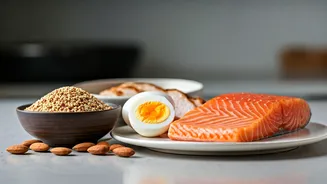
Achieving a 150g protein target daily is made practical through a well-structured diet plan designed to distribute protein intake across meals and snacks. The core principle involves prioritizing lean protein sources, such as chicken, fish, legumes, and dairy, and thoughtfully pairing them with complex carbohydrates for sustained energy and healthy fats for satiety and nutrient absorption. This balanced approach ensures you get the most out of your protein consumption without the discomfort of overeating. By planning your meals and snacks around these protein-rich components, you can effectively manage your intake and consistently meet your daily goals.
Morning Power Start
Your breakfast sets the tone for the day and is an excellent opportunity to front-load your protein intake. Aiming for approximately 30-35g of protein at this first meal can significantly contribute to your daily goal. Consider a combination of whole eggs and egg whites scrambled with nutrient-rich spinach, complemented by a serving of Greek yogurt, which is packed with protein. Alternatively, a protein smoothie offers a quick and customizable option. Blend one scoop of whey protein with your preferred milk (dairy or plant-based), half a banana for natural sweetness and texture, and a tablespoon of almond butter for healthy fats and additional protein. This ensures you start your day feeling fueled and satisfied.
Sustaining Midday Fuel
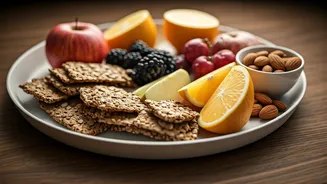
Keeping your energy levels stable and protein intake climbing between major meals is crucial. A mid-morning snack can provide an estimated 15-20g of protein, bridging the gap until lunch. Simple yet effective options include a modest handful of almonds, offering a good mix of protein, healthy fats, and fiber, paired with a small, single-serving cup of cottage cheese, which is a concentrated source of casein protein. This combination is both satisfying and contributes meaningfully to your protein goals without being a large meal.
The Midday Protein Boost
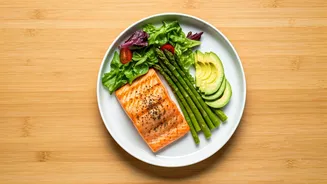
Lunch is another key opportunity to maximize your protein intake, targeting around 40-45g. For non-vegetarians, a generous portion of 6 oz of grilled chicken breast or a lean fish like salmon or tuna provides substantial protein. Accompany this with a large mixed green salad for vitamins and fiber, and a portion of quinoa for complex carbohydrates. If you prefer a vegetarian option, a hearty serving of two cups of lentil soup, a great source of plant-based protein and fiber, paired with a few pieces of paneer tikka (Indian cheese skewers), can also meet this protein requirement effectively.
Evening Protein Recharge
As the day winds down, an evening snack can help round out your protein intake, aiming for another 15-20g. This snack should be light enough not to interfere with digestion before sleep but substantial enough to contribute to your daily target. Steamed edamame, which offers a good amount of plant-based protein and fiber, is an excellent choice. Alternatively, a carefully selected protein bar can be convenient, but it’s important to check the label to ensure it aligns with your protein goals and doesn't contain excessive sugars or calories. This ensures your body continues to receive the protein it needs throughout the day.
Nutrient-Dense Dinner
Dinner provides a final substantial protein boost, aiming for another 40-45g. For meat-eaters, 6 oz of lean ground beef or turkey mince, stir-fried with a colorful assortment of mixed vegetables and served with a modest portion of brown rice, makes for a balanced and protein-rich meal. For those opting for plant-based meals, 6 oz of baked tofu, prepared with roasted vegetables and a side of protein-rich dal (lentils), offers a complete and satisfying dinner. These options ensure you meet your protein requirements while enjoying a nutritious and flavorful meal to conclude your day.
Smart Habits for Success
Sustaining a high-protein diet without overeating involves more than just food choices; it requires smart habits. Ensure you drink plenty of water throughout the day to aid digestion and metabolism, which can also help you feel fuller. While focusing on protein, always be mindful of your overall calorie consumption; using measuring tools initially can help calibrate portion sizes. Embrace variety in your protein sources to benefit from a diverse range of amino acids and nutrients. Crucially, listen to your body's hunger and fullness cues, adjusting portions as needed. Finally, dedicating time to meal prep can significantly streamline your efforts, making it easier to adhere to your plan consistently.