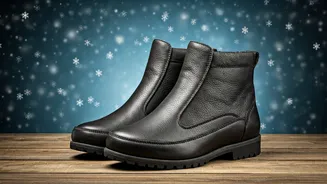




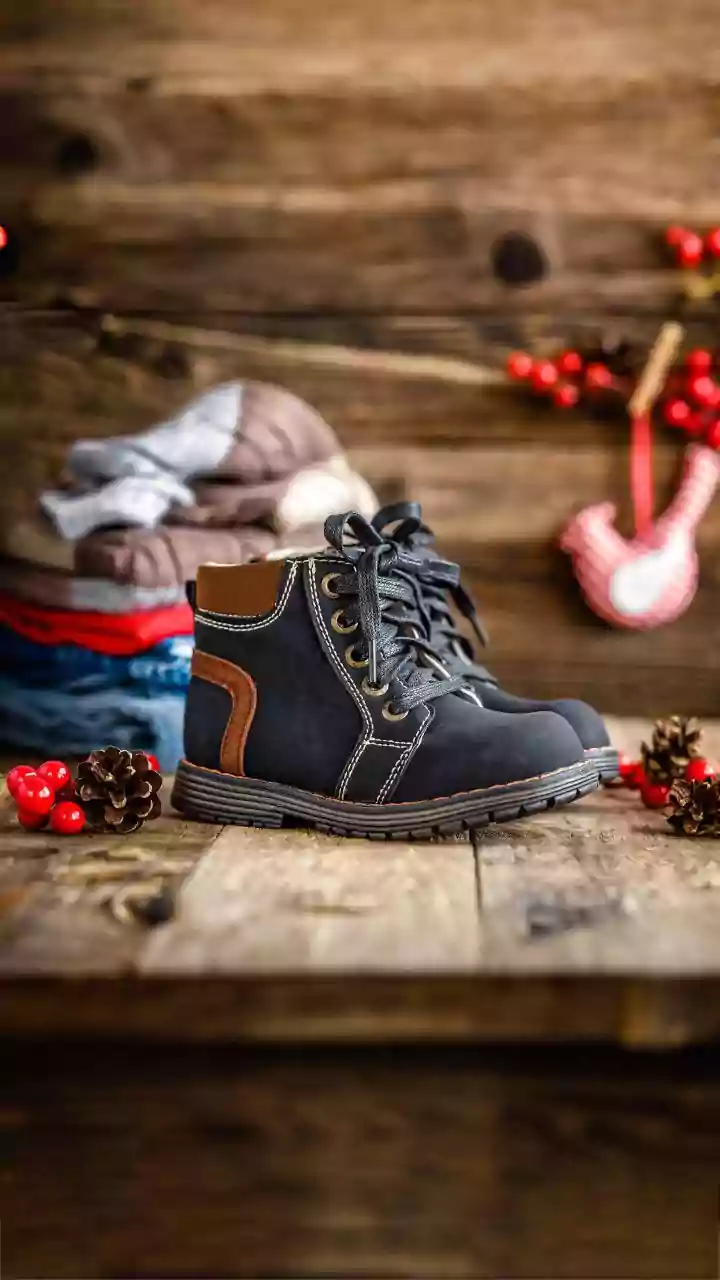



Waterproof Winter Boots
When the weather turns wet and snowy, waterproof boots are essential. Look for boots made with materials like Gore-Tex or treated leather, which provide
a barrier against moisture. The construction should include sealed seams to prevent water from seeping in. Consider the height of the boot; taller boots offer more protection against deep snow. Rubber outsoles with deep treads provide excellent grip on slippery surfaces. Before purchasing, verify that the boots are genuinely waterproof by checking reviews or seeking brands known for their waterproofing technologies. Furthermore, examine the lining, with options like Thinsulate adding warmth without bulk. Remember to regularly apply a waterproof sealant to maintain their protective qualities. Think about the style, as many waterproof boots can transition seamlessly from outdoor adventures to everyday wear. Finally, ensure the boots fit properly, with room for thick socks if needed, guaranteeing comfort and warmth throughout the winter months.
Insulated Boot Options
For extreme cold, insulated boots become crucial. These boots have special layers designed to trap heat and keep your feet warm in freezing temperatures. Look for boots with insulation ratings, such as those indicating the degree of cold they can withstand. Synthetic insulation, like Thinsulate or PrimaLoft, is a popular choice, as it provides warmth even when wet. Down insulation offers excellent warmth but requires more care to keep dry. Consider the boot’s construction, as the combination of insulation, waterproof materials, and a supportive footbed all contribute to warmth. Many insulated boots also feature a moisture-wicking lining to keep your feet dry and comfortable. Before purchasing, check reviews for real-world testing in cold conditions. Choose boots with a higher insulation rating if you'll be spending extended periods outside in sub-zero temperatures. Furthermore, consider the boot’s overall fit and design, ensuring it accommodates thick socks and offers good ankle support for added stability in challenging conditions.
Stylish Winter Boots
While functionality is vital, style should not be overlooked. The market offers many stylish winter boots that are also practical. Consider ankle boots, which are versatile and can be dressed up or down. Look for options made with leather or suede that have a sleek design. Knee-high boots offer a fashionable silhouette and added warmth, often paired with skirts or dresses. Consider the color palette, as neutral tones such as black, brown, and grey provide more versatility. Pay attention to details like buckles, zippers, and decorative stitching, as these elements add personality. Look for boots with a comfortable heel height if you'll be wearing them for extended periods. When buying, ensure the boots fit your style and wardrobe. Always prioritize comfort and quality, as this impacts both your look and your long-term wear. For a more modern style, explore combat boots or other on-trend designs. Don’t hesitate to explore different textures, like faux fur or quilted details, that add visual interest and warmth to your winter footwear.
Boot Material Matters
The material of your winter boots significantly impacts their performance and durability. Leather boots are a popular choice due to their durability and ability to conform to your feet. However, leather requires regular conditioning and care to maintain its waterproof qualities. Suede boots offer a stylish look but need a protective spray to guard against water and stains. Synthetic materials, like nylon and polyurethane, are often more affordable and waterproof but may not be as breathable as leather. Rubber is used in the outsoles to provide grip and waterproofing. Consider the type of environment you'll be wearing your boots in. In snowy conditions, waterproof and insulated boots are essential, regardless of the material. For everyday wear, balance style and practicality when choosing materials. Always check the care instructions for the specific materials used in your boots to extend their lifespan.
Boot Fit & Comfort
Ensuring the proper fit is paramount for comfort and warmth in winter boots. Start by measuring your feet and comparing them to a sizing chart, as boot sizes can vary between brands. Consider the type of socks you’ll wear with the boots. When trying on boots, wear thick winter socks to guarantee enough room. Make sure there’s enough space in the toe box so your toes aren't cramped, which can lead to cold feet. The heel should fit snugly, preventing slippage. Walk around in the boots to check for any pressure points or areas of discomfort. Look for features like cushioned footbeds and arch support, which add to all-day comfort. If you have wide feet, look for boots in a wide width. Always buy boots that feel comfortable from the start. A well-fitting boot will provide support, warmth, and prevent blisters or other foot issues. Consider custom orthotics if you have unique arch support needs.
Boot Care & Maintenance
Proper care and maintenance will extend the life of your winter boots. Clean your boots regularly to remove dirt, salt, and grime, which can damage the materials. For leather boots, use a leather cleaner and conditioner to keep them supple and waterproof. Suede boots require a specific suede brush and protector spray. Waterproofing sprays are essential for maintaining the water resistance of your boots. Air dry your boots if they get wet, avoiding direct heat sources, which can damage the materials. Store your boots in a cool, dry place when not in use. Consider using boot trees to help retain their shape and prevent creases. Regularly inspect your boots for wear and tear, and have them repaired by a professional if needed. Proper care ensures your boots remain functional and fashionable for many winters to come, protecting your investment.