




Ugadi: A New Dawn
Ugadi, celebrated on March 19, 2026, signifies the dawn of a new year according to the Hindu lunar calendar, particularly cherished in Andhra Pradesh,
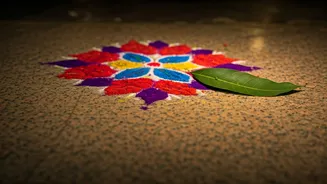
Telangana, and Karnataka. This festival is a powerful symbol of fresh starts, unwavering hope, and abundant prosperity for the year ahead. Homes come alive with the vibrant hues of rangoli patterns and are adorned with fresh, fragrant mango leaves, creating an atmosphere of festivity and optimism. As families unite, they embrace the day with new attire, engaging in prayers, and sharing joy, echoing the sentiment of renewal that also resonates with Maharashtra's Gudi Padwa celebration around the same time. Both festivals underscore the importance of cultural heritage and a forward-looking spirit.
Spiritual Roots & Life Lessons
The observance of Ugadi is steeped in profound cultural and spiritual meaning, with a widely held belief that the universe's creation commenced on this auspicious day by Lord Brahma. This imbues Ugadi with immense significance, encouraging individuals to greet the unfolding year with profound gratitude and a heart full of optimism. It is a time for families to convene, sharing elaborately prepared festive meals and exchanging heartfelt good wishes. Beyond the culinary delights and joyous gatherings, Ugadi imparts a valuable life philosophy: the acceptance of life's varied tapestry of experiences, whether they bring happiness or challenges, with equanimity and a balanced perspective. This holistic approach ensures that the spirit of renewal extends beyond the calendar to a mindful way of living.
A Taste of Tradition: Ugadi Pachadi
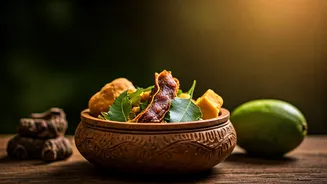
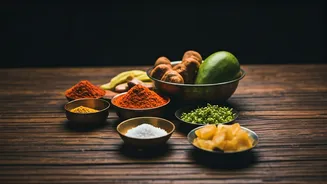
No festival is complete without its signature culinary expressions, and Ugadi is no exception. The Ugadi Pachadi stands as a remarkable testament to this, ingeniously blending six distinct tastes – sweet, sour, bitter, salty, spicy, and tangy. Each flavour represents a facet of life's journey: sweetness for joy, sourness for sadness, bitterness for hardship, saltiness for fear, spiciness for anger, and tanginess for surprise. Preparing and consuming this unique concoction is a symbolic act of embracing all of life's emotions and experiences with balance and understanding, preparing one for the year ahead with a well-rounded perspective. This dish is a cornerstone of the Ugadi feast, offering both a delightful taste and a profound philosophical statement.
Sweetness and Prosperity: Payasam & Obbattu
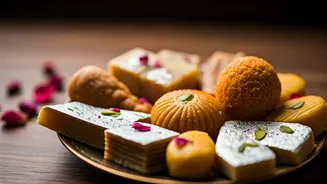
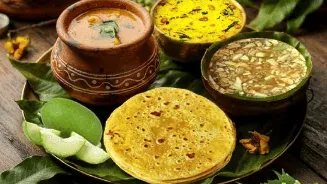
The Ugadi spread is further enhanced by dishes that symbolize happiness and prosperity. Payasam, a comforting and rich dessert, is a beloved tradition. Typically made with milk, sweetened with jaggery, and thickened with rice or vermicelli, it offers a delightful sweetness that embodies good fortune and joy for the new year. Complementing the Payasam is Obbattu, also known as Holige. This festive delicacy is a sweet flatbread, lovingly prepared with a filling of lentils and jaggery. It's a staple during Ugadi and other significant celebrations, offering a rich, slightly chewy texture and a comforting sweetness that signifies abundance and a prosperous year. These sweets are not just treats but edible embodiments of well wishes for a bright and prosperous future.
Savory Delights: Tamarind Rice & Vada
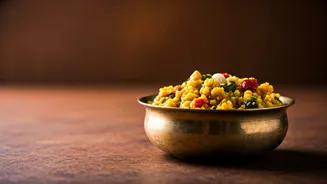
Beyond the sweet offerings, Ugadi celebrations also feature vibrant and flavorful savory dishes. Tamarind Rice, or Puliyodarai, is a popular choice that adds a zesty and aromatic dimension to the festive meal. This tangy rice dish is prepared with a base of tamarind pulp, expertly blended with a medley of aromatic spices and often garnished with crunchy peanuts, offering a delightful interplay of textures and tastes. To complement these rice-based preparations, Vada is a universally adored snack. These crispy, savory fritters are crafted from a base of ground lentils, deep-fried to a perfect golden crispness. Their satisfying crunch and savory notes make them a hit with all age groups, ensuring a well-rounded and delicious festive experience that caters to diverse palates.