

What is Multani Mitti?
Multani mitti, also known as fuller's earth, is a treasured natural ingredient in Indian beauty rituals, revered for centuries. This mineral-rich clay
has been a go-to for cleansing, oil absorption, and enhancing skin's radiance long before modern cosmetics. Its natural hues can range from brown to white, and occasionally green, depending on its unique mineral makeup. Functioning as a potent natural detoxifier for the skin, it effectively draws out impurities. The name itself, 'Multani Mitti,' translates to 'clay from Multan,' a historical reference to its origins in the region now part of Pakistan. Initially sourced from the Indus plains near Multan, this versatile clay was a significant trade commodity across the Middle East and South Asia. Its powerful properties extend beyond skincare, famously being used in industrial applications to absorb grease and oils from wool fabrics. Let's now investigate which form, powder or stone, is superior for achieving that sought-after glowing skin, especially during the summer months.
Powder vs. Stone Forms
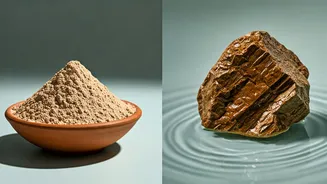
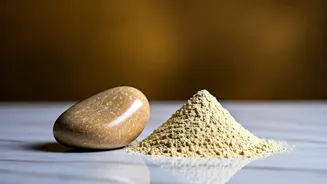
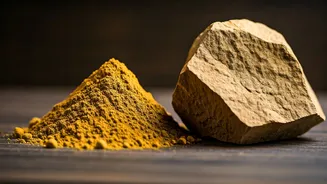
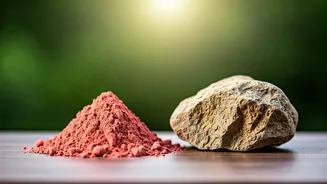
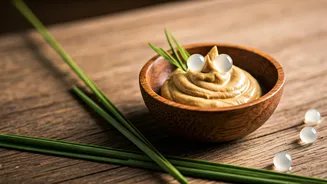
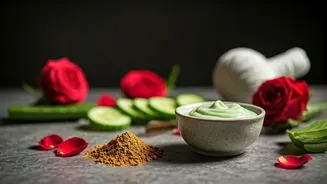
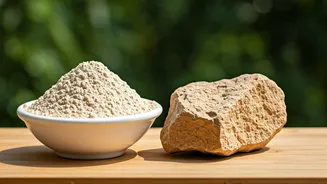
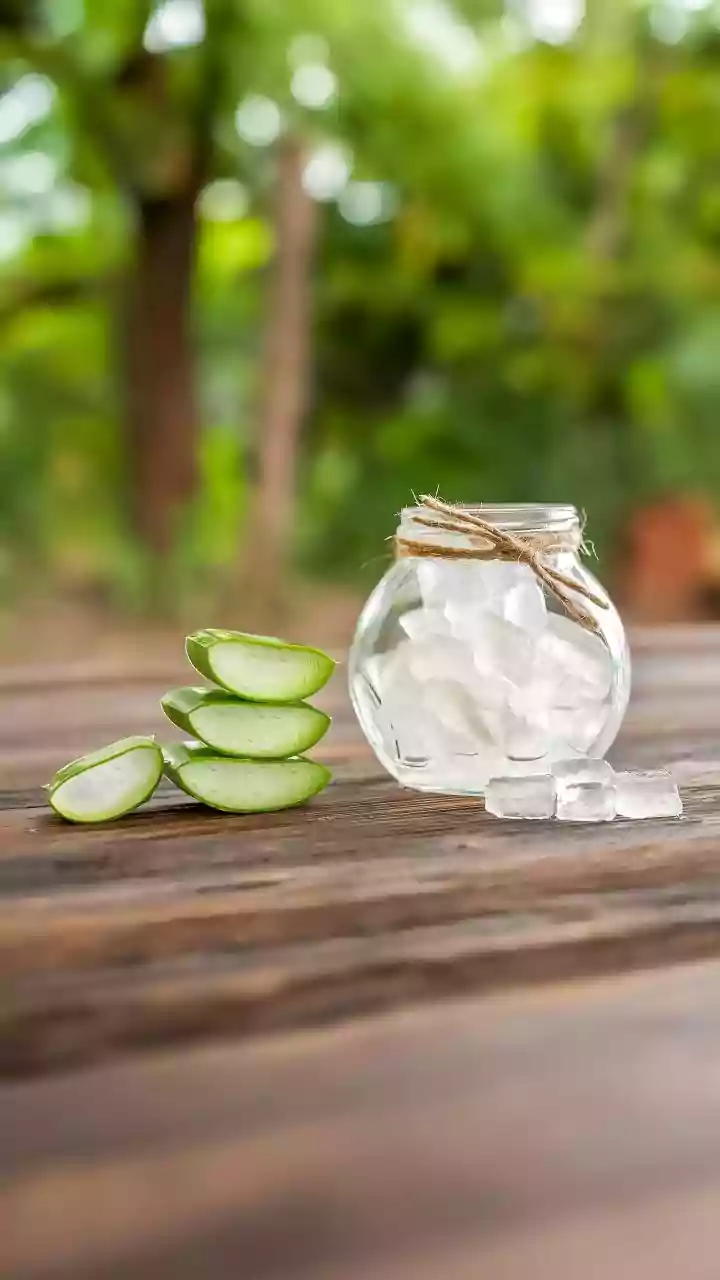
Multani mitti is commonly presented in two distinct formats: a fine powder and solid, unrefined chunks often referred to as stone. The powdered version offers unparalleled convenience, being readily prepared for immediate application. It blends effortlessly with a variety of natural ingredients such as milk, cooling aloe vera, nourishing yogurt, and refreshing rose water, making DIY face masks incredibly simple. This form is widely accessible in beauty retailers and available online. However, a potential drawback of pre-powdered Multani Mitti is the possibility of it containing added fillers, which can compromise its purity and effectiveness, leading to questionable quality. Despite this, for individuals new to homemade skincare or those seeking quick and easy face mask solutions, the powdered form is an excellent starting point.
The Purity of Stone
In contrast, Multani mitti in its stone or solid chunk form represents a less processed and more fundamentally natural option. This traditional method of use has been prevalent in Indian households for generations, where women would meticulously grind the stone into a fine powder before mixing it with water or other liquids for application on the face and body, thereby ensuring they were using the purest form of the clay. While this process requires considerable effort in crushing and soaking, making it less convenient, it guarantees absolute purity. Therefore, if your priority leans towards unadulterated natural goodness over immediate ease of use, the stone variant of Multani Mitti is undoubtedly the preferable choice for your skincare regimen.
Benefits and Usage
Fundamentally, both the powder and stone forms of Multani Mitti bestow similar advantageous effects on the skin, as their origin remains identical. However, the stone iteration is generally regarded as more authentic and less adulterated. Conversely, the powdered form excels in user-friendliness and ease of incorporation into skincare routines. If your aspiration is for skin that possesses a natural, radiant glow, then opting for the stone variant is likely the more beneficial path. It's important to note that consistent daily application of Multani Mitti is not advisable, as it can strip the skin of its essential natural oils. Instead, using it once or twice weekly, perhaps mixed with rose water, milk, or aloe vera, is perfectly adequate for managing sebum production and maintaining healthy, luminous skin.