





Heatwave Havoc North
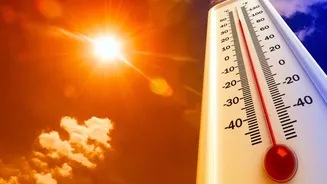
Vast swathes of northern, central, and eastern India are currently battling severe heatwave conditions, with temperatures consistently soaring into the mid-40s
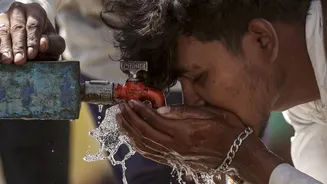
Celsius. States like Punjab, Haryana, Delhi, Rajasthan, Chhattisgarh, and parts of Uttar Pradesh and Madhya Pradesh are experiencing relentless sun and dry winds. This prolonged exposure to extreme heat places significant strain on the body's thermoregulation systems, drastically increasing the risk of heat exhaustion and potentially life-threatening heatstroke. Early warning signs, such as dizziness, nausea, a rapid pulse, and confusion, should never be ignored. Vulnerable groups, including the elderly, young children, pregnant women, and individuals with pre-existing health conditions like heart disease or diabetes, are at a heightened risk and require extra vigilance. Urban environments, often subject to the 'heat island effect', can exacerbate these temperatures, making conditions feel even more intense for those travelling through or staying in cities.
Stormy Skies Northeast
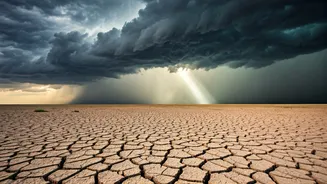
Conversely, the Northeast and certain southern regions of India are facing a starkly different weather scenario, characterized by widespread rain, intense thunderstorms, lightning, and powerful wind gusts reaching up to 70 kmph. Areas like Arunachal Pradesh, Assam, and Meghalaya, along with isolated pockets in Odisha, Jharkhand, West Bengal, Kerala, and Karnataka, are under the threat of these severe weather events. Such conditions significantly elevate the risk of flash floods, making road travel treacherous due to slippery surfaces and increasing the likelihood of accidents. Trekkers and those visiting open or elevated terrains are particularly susceptible to hazards like lightning strikes. The abrupt transition from intense heat to cooler, humid evenings following these downpours can also trigger respiratory ailments, exacerbate allergies, and lead to flare-ups of asthma. Furthermore, the post-rain environment often witnesses a surge in mosquito populations, raising concerns about vector-borne diseases such as dengue and malaria.
Essential Travel Safety
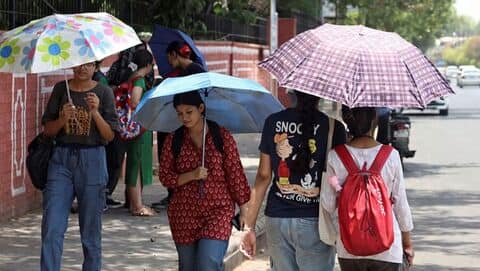
To safely navigate these opposing weather patterns, travelers must adopt a proactive approach. During heatwave conditions, prioritizing hydration is paramount; continuously consume ample water and electrolyte-rich beverages, while strictly avoiding dehydrating substances like caffeine and alcohol. Opt for loose-fitting, light-colored, and breathable clothing, and always wear a wide-brimmed hat to shield yourself from direct sun. It's advisable to minimize outdoor activities between 11 AM and 4 PM, the hottest part of the day. Utilizing cooling aids such as damp towels or portable fans can offer relief during journeys. For storm-prone areas, packing essential rain gear, waterproof and sturdy footwear, and effective insect repellent is crucial. Staying informed by closely monitoring local weather updates via IMD advisories and reliable weather apps is non-negotiable. During thunderstorms, avoid exposed areas, tall structures like trees, and proximity to water bodies. Carrying a basic medical kit with any necessary spare medications and ensuring your power bank is fully charged for communication are wise precautions.
Health & International Tips
Individuals with chronic health issues, limited mobility, or those traveling with young children should conduct advance research on available medical facilities at their intended destinations. International visitors, in particular, should factor in acclimatization time upon arrival, ensure adequate rest, and secure comprehensive travel insurance that covers potential weather-related disruptions and medical emergencies. Regardless of nationality, practicing good food hygiene is essential to prevent common gastrointestinal issues that can arise in extreme climates. Always listen to your body; if you experience any signs of discomfort, prioritize rest. The India Meteorological Department has projected that 2026 is likely to witness an above-normal number of heatwave days across the country, underscoring the importance of sustained vigilance and preparedness throughout the summer season.