
Paratha: A Delightful Staple
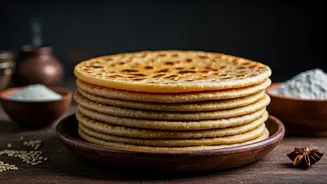
Paratha, a flatbread, has a revered place in Indian cuisine, enjoyed widely across the country. It is made from whole wheat flour, also known as atta,
and is a staple in many Indian households. The basic recipe involves kneading the atta with water, salt, and sometimes a bit of oil, and then rolling it out and cooking it on a hot griddle or tava. It is often served with a dollop of ghee or butter and can be enjoyed with various accompaniments, such as curd, chutney, or a vegetable curry. This versatile bread can also be stuffed with a variety of fillings, including spiced potatoes (aloo paratha), cauliflower (gobi paratha), or paneer, making it a complete and satisfying meal.
Nutritional Breakdown: Paratha
Parathas, being primarily made with whole wheat flour, do have certain nutritional values. Whole wheat is a good source of fiber, which aids digestion and can help in keeping you full for longer. Fiber plays a crucial role in preventing constipation and supporting a healthy gut. However, the nutritional profile of a paratha can vary significantly depending on how it's prepared and what it's filled with. Adding ghee or oil during cooking increases the fat content and calorie count. Stuffed parathas, such as aloo paratha or paneer paratha, will also have different nutritional compositions depending on the fillings.
Paratha and Weight Loss?
The relationship between paratha and weight loss is often debated. While paratha can be part of a balanced diet, it's essential to consume it in moderation and consider the preparation method. Since it's made from whole wheat, it provides fiber that can assist with satiety, potentially preventing overeating. However, the use of oil or ghee, common in paratha preparation, adds to its calorie density. Therefore, portion control and the cooking method are crucial. Pairing paratha with a serving of vegetables or a lean protein can create a more balanced and weight-loss-friendly meal.
Idli vs. Paratha Face-Off
When considering options for a weight-loss-friendly breakfast, idli often emerges as a healthier choice compared to paratha. Idli, made from fermented batter of rice and lentils, is typically steamed, which means it contains less fat than the fried paratha. This steaming process preserves more nutrients, and idli tends to be lower in calories. The fermentation process also enhances the bioavailability of nutrients, making them easier for the body to absorb. However, the choice can also depend on individual preferences and dietary needs. Both can be part of a healthy diet, but the preparation method and portion sizes make a difference.
Making Informed Choices
To make an informed decision about including paratha in your diet, consider these points. First, choose whole wheat paratha over those made from refined flour. Second, control portion sizes; one or two small parathas are better than several large ones. Third, be mindful of the cooking method; use minimal oil or ghee, or consider a dry pan. Fourth, balance your meal by pairing paratha with nutrient-rich accompaniments like vegetables, curd, or a protein source. Finally, consider your overall diet. If you are aiming for weight loss, be mindful of calorie intake. By adopting these strategies, you can enjoy paratha while maintaining your health goals.