



Understanding Your Body's Cues
Your body possesses an intricate system for indicating its hydration levels, often before you consciously realize it. One of the most straightforward and
reliable indicators is the color of your urine. When you are adequately hydrated, your urine will typically be light yellow or nearly transparent. However, if it appears dark yellow, this is a clear signal that your body is conserving water and you need to increase your fluid intake. Persistent dark urine suggests a chronic state of dehydration, prompting immediate action. Beyond urine, a pervasive lack of energy, even after adequate rest, can be a sign. Insufficient fluid intake means your tissues don't receive the necessary moisture to function optimally, leading to feelings of fatigue, lethargy, and difficulty concentrating. This energy dip often precedes more obvious symptoms, making it an important early warning sign to heed. Pay attention to these internal messages to maintain your well-being.
Physical Manifestations of Thirst
When your body is deprived of fluids, it starts to manifest in noticeable physical changes, particularly concerning your skin and mouth. Dryness in the lips and mouth is one of the earliest and most commonly recognized signs that your body requires more water. This can feel particularly pronounced during warmer months or after periods of activity. Similarly, your skin might appear dull and feel less supple than usual. This lack of moisture impacts the skin's elasticity and overall appearance. Beyond these surface-level indicators, dehydration can also trigger headaches. The reduction in bodily fluids can subtly alter the fluid balance within your brain, leading to discomfort and pain. Before reaching for a pain reliever, consider if a few glasses of water might resolve the issue. These physical cues are your body's direct communication that its fluid reserves are low, urging you to replenish them promptly.
The Unexpected Hunger Link
It might seem counterintuitive, but a persistent feeling of hunger can sometimes be a subtle manifestation of dehydration. Your body's internal signaling system for thirst and hunger can, at times, become confused. When you're not drinking enough water, your brain may misinterpret these signals, leading you to believe you're hungry when you are actually thirsty. This can result in unwarranted cravings, especially for sweet or high-calorie foods, as your body searches for a quick energy source or a response to its unmet need for hydration. Therefore, before succumbing to a sudden urge to snack, it's a wise practice to first consume a glass of water. You might find that the craving subsides once your body's fluid levels are restored. Recognizing this connection can help you manage your appetite more effectively and maintain proper hydration without overeating.
Strategic Hydration Habits
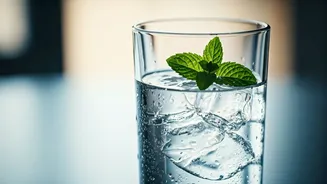
Actively integrating hydration into your daily routine is far more effective than trying to quench thirst all at once. Instead of gulping down large volumes of water sporadically, aim for consistent sipping throughout the day. A powerful habit to cultivate is starting your day with a glass of water before any other beverages like tea or coffee. After a night's sleep, your body is naturally dehydrated, and this morning intake can significantly boost energy levels, kickstart digestion, and sharpen mental clarity. To combat forgetfulness or busyness, treat drinking water as a deliberate goal. This can involve keeping a water bottle within your sight at all times or setting up regular reminders on your phone. These simple yet consistent actions ensure that your body receives the fluids it needs to function optimally throughout the day.
Beyond Water: Food and Electrolytes
While plain water is foundational for hydration, incorporating water-rich foods into your diet offers a delicious and effective complementary strategy. Fruits and vegetables with high water content, such as watermelon, cucumbers, oranges, and tomatoes, are not only refreshing but also contribute significantly to your body's fluid balance. Their natural composition helps maintain hydration in a palatable way. Furthermore, intense physical activity, prolonged exposure to heat, or extensive travel can lead to the loss of essential salts and minerals, known as electrolytes, in addition to water. In such scenarios, plain water alone may not be sufficient for complete rehydration. For these situations, an oral rehydration solution can be beneficial. A simple DIY solution can be prepared by mixing one teaspoon of salt and six teaspoons of sugar into one liter of water, as recommended by health authorities, to effectively replenish lost electrolytes and fluids.