



Speedy Hill Ascent
Before the funicular railway's introduction, reaching Shri Malanggad demanded a strenuous two-hour uphill hike. This climb was often a significant barrier
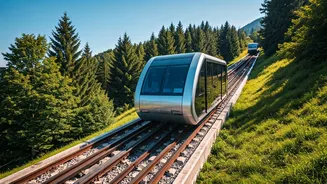
for many, including the elderly, individuals with disabilities, and families with young children, thereby restricting access to the sacred site. The installation of India’s longest funicular railway has completely altered this dynamic, now enabling people to ascend the hill in a remarkably short 10 minutes. The new railway not only dramatically reduces travel time but also ensures that a far broader spectrum of people can experience the spiritual and scenic attractions of Shri Malanggad. This advancement signifies a pivotal improvement in accessibility, encouraging more devotees and tourists to visit this important site with greater convenience.
Enhancing Accessibility
The establishment of the funicular railway has significantly improved accessibility to Shri Malanggad. For those who were previously unable to undertake the strenuous two-hour climb, the railway provides a viable alternative, opening up the site to a wider audience. This is particularly advantageous for elderly pilgrims, individuals with disabilities, and families with young children, for whom the traditional trek was often prohibitive. The accessibility aspect also has positive implications for the local economy. With increased accessibility, the number of visitors is expected to increase, which should lead to more business for local vendors, shops, and other service providers in the area. Ultimately, the railway facilitates a more inclusive and convenient experience for all visitors, reinforcing Shri Malanggad's status as a must-visit destination.
Boosting Tourism Numbers
The introduction of the funicular railway is poised to boost tourism at Shri Malanggad, making the site more attractive to a wider range of visitors. By shortening the travel time from two hours to a mere 10 minutes, the railway tackles a major deterrent for potential visitors. This efficiency is expected to translate into a higher footfall, which would benefit both the local economy and the community. As tourism numbers grow, there is also the potential for increased demand for local services such as accommodation, food and beverage, and souvenirs, creating fresh business opportunities. Furthermore, a more accessible site can encourage repeat visits, as people are more likely to return when the journey is less physically taxing. The railway's positive effect on tourism extends beyond simply convenience; it improves the overall visitor experience and supports sustainable economic growth for the region.
Economic Boon for Locals
The establishment of the funicular railway has the potential to act as an economic catalyst for local businesses and the surrounding community. With an anticipated increase in tourist traffic, local vendors and businesses are likely to see a surge in demand for their products and services. The increased accessibility of Shri Malanggad could prompt new business ventures, such as hotels, restaurants, and retail outlets, further stimulating economic activity. Moreover, the railway can provide employment opportunities, from operating the railway itself to supporting the increased need for hospitality services. This kind of infrastructure project not only makes the destination more accessible and attractive but also promotes a cycle of economic growth, benefiting not only the tourists but also the local people.
Modern Engineering Marvel
The funicular railway itself is a feat of modern engineering, meticulously designed to navigate the challenging terrain of Shri Malanggad. This construction is a demonstration of human ingenuity, seamlessly integrating infrastructure with the natural environment. The railway's design prioritizes passenger safety and comfort, utilizing cutting-edge technology to ensure a smooth and efficient ride. From the careful selection of materials to the detailed planning of the route, every element of the railway’s construction highlights precision. Furthermore, the funicular demonstrates a commitment to sustainable practices, reducing the environmental impact associated with traditional transportation methods. The integration of modern engineering with the natural landscape enhances the experience for visitors, offering both a functional mode of transport and a unique point of interest.