






A Taste of Life
Ugadi Pachadi is far more than a culinary creation; it's a deeply symbolic dish integral to the Ugadi festival, celebrated as the advent of the New Year
in many Hindu traditions, particularly in the Telugu-speaking regions of India. This festive preparation, known for its unique amalgamation of Shadruchulu, or six distinct tastes, serves as a poignant reminder of life's multifaceted experiences. It encapsulates the essence of human emotions, from elation and contentment to the challenges and uncertainties that inevitably arise. The festival itself, occurring around March or April, marks the commencement of a new cycle, reinforcing the idea of renewal and progression, with the Pachadi acting as a palate cleanser for both the body and the spirit, preparing individuals to embrace whatever the coming year may hold with equanimity.
Six Tastes, Six Emotions
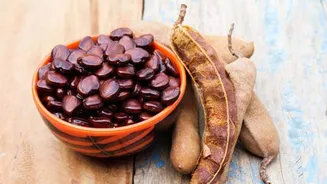
The true magic of Ugadi Pachadi lies in its harmonious blend of six fundamental tastes, each meticulously chosen to represent a distinct facet of the human emotional spectrum and life's journey. Sweetness, derived from jaggery, embodies happiness and pure joy, while also acting as a natural digestive aid. The astringent note of raw mango signifies the anticipation of new beginnings and the inherent challenges and opportunities that accompany them, contributing to a robust immune system. The tanginess of tamarind points to the complexities and strategic handling required in navigating life's difficult situations, assisting in digestive well-being. Spiciness, often from chillies or pepper, represents the fiery emotions like anger and passion, equipping one to confront adversities. Bitterness, imparted by neem flowers, mirrors life's hardships and the cultivation of resilience, with neem's renowned medicinal properties boosting the body's defenses. Finally, the subtle saltiness accentuates the other flavors and symbolizes enthusiasm and engagement with life's experiences. Together, these tastes create a profound metaphor for accepting life's varied experiences with grace.
Ayurvedic Wellness Boost
Beyond its rich cultural and symbolic significance, Ugadi Pachadi offers substantial health advantages rooted in Ayurvedic principles. This traditional concoction is thoughtfully prepared to achieve a balance of the body's three core energies, or doshas: Vata, Pitta, and Kapha. During the transitional period into spring, when the body is susceptible to seasonal ailments, consuming the Pachadi is believed to fortify the immune system and provide protection against common illnesses. Each ingredient is not only symbolic but also possesses specific therapeutic properties that contribute to overall well-being. For instance, the jaggery provides essential energy and aids digestion, while the neem flowers are known for their anti-inflammatory and detoxifying effects. Tamarind and raw mango contribute digestive enzymes and vitamins, respectively, and chillies help in combating microbes. This holistic approach, blending flavor with healing, underscores the ancient wisdom embedded in this festive dish, promoting harmony within the body as one welcomes the new year.
Rituals and Lasting Message
The preparation and consumption of Ugadi Pachadi are steeped in tradition, marking a significant part of the Ugadi morning rituals. Devotees typically begin the day with an early oil bath, adorn themselves in new attire, and decorate their homes with auspicious mango leaves and intricate rangoli patterns. The Pachadi itself is carefully crafted using the six key ingredients – neem flowers, jaggery, tamarind, raw mango, salt, and chillies – and is traditionally offered to the presiding deity as 'prasadam' before being shared amongst family and friends. This communal sharing reinforces the idea of shared experiences and mutual support. Ultimately, the act of consuming Ugadi Pachadi serves as a profound, enduring message: to accept both the pleasant and unpleasant aspects of life with equanimity, approaching each new phase with balance and a spirit of optimism, ready to embrace the journey ahead with a composed mind and a resilient heart.