





Gentle Nudging Away
Sometimes, the simplest approach is to gently encourage the ants to find a new home. This involves physically disrupting their mound by flattening it,
raking the soil, or even using a hose to flood the area. The goal here isn't to harm the colony but rather to make their current location so inconvenient that they decide to pack up and move elsewhere. This method requires a bit of patience, as you might need to repeat the disturbance a few times, but it's an effective way to avoid using any chemicals. It's best suited for situations where you're not concerned about the ants relocating to another part of your property, as it focuses on relocation rather than eradication.
Boiling Water Blitz
A tried-and-true natural method involves the strategic application of boiling water directly onto the ant hill. This approach is appealing because it's economical, chemical-free, and instantly lethal to any ants it contacts. However, it comes with limitations. Its reach is quite restricted, meaning it may not penetrate deeply enough to eliminate the queen, potentially allowing the colony to regroup and rebuild. For larger infestations, multiple applications are often necessary. Care must also be taken, as careless pouring can easily scorch and damage nearby plants and grass, so precise application is key.
Diatomaceous Earth Defense
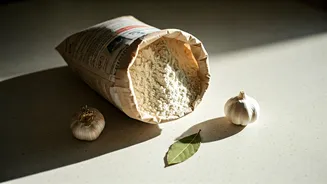
Diatomaceous earth (DE) is a natural powder derived from fossilized aquatic organisms. Its fine particles possess an abrasive quality that dehydrates and kills crawling insects like ants. A significant advantage of food-grade DE is its safety around children and pets, and it remains effective as long as it stays dry, being biodegradable without contaminating the environment. The primary drawback is its reduced efficacy when wet, and its application can be a bit messy. Additionally, precautions are needed to avoid inhaling the dust, and it may take some time to observe the full results.
DIY Borax Bait
Creating your own ant bait using borax and sugar is another accessible DIY solution. Ants are drawn to the sweetness of the sugar and will carry the borax mixture back to their nest, potentially eliminating the entire colony, including the queen. Borax is widely available and considered a relatively safe natural option, though it should still be kept away from children and pets. The trickiest part of this method is achieving the correct borax-to-sugar ratio; too much borax deters ants, while too little may not be lethal. Results can also be gradual, sometimes taking several days or even weeks to become apparent.
Commercial Ant Baits
Commercially available ant baits, found in granular or gel forms, offer a convenient solution. These products typically contain a slow-acting insecticide mixed with an appealing food source. Ants consume the bait and transport it back to their nest, effectively distributing the poison to the rest of the colony, including the queen. Many of these baits are designed to be relatively safe for children and pets, with the insecticide well-contained. However, like DIY baits, they can take time to yield results, potentially spanning several days to a few weeks, and may be more costly than homemade options.
Insecticide Dust Application
Insecticide dusts are finely ground powders that provide an effective solution, particularly for ant hills located in hard-to-reach areas like cracks and crevices. When ants traverse through the dust, it adheres to their bodies, and they carry the insecticide back to their colony, creating a residual killing effect that persists. This method offers a long-lasting impact. However, caution is advised during application to prevent the dust from drifting and potentially harming non-target insects or contaminating water sources. There's also a risk to pets or children who might come into contact with the treated areas.
Liquid Spray Solution
For swift and immediate results, liquid insecticide sprays are a potent option. These are typically diluted with water and applied directly to the ant hill, quickly eliminating ants on contact. They are widely available, cost-effective, and straightforward to use. Nevertheless, the use of chemical sprays carries inherent risks. They can harm beneficial insects, potentially contaminate soil and water, and pose a danger to pets and children if not applied correctly. It's especially crucial to avoid using these sprays near edible plants, vegetable gardens, or fruit trees due to the risk of contamination.