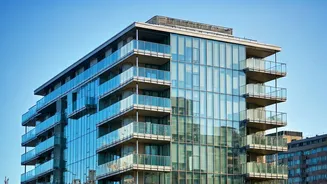







Defining Multi-Storey
Multi-storey buildings are characterized by multiple floors, distinguishing them from single-story structures. While there's no universally agreed-upon
minimum number of floors to qualify as 'multi-storey,' the term usually refers to buildings with several levels above ground. These structures are designed to house various functions, including residential apartments, commercial offices, retail spaces, or a combination of these. They leverage vertical space to accommodate more users and activities within a smaller footprint, making them a crucial solution in densely populated urban areas where land is scarce and expensive. The design and construction of multi-storey buildings involve complex engineering considerations to ensure structural integrity and safety. These considerations encompass factors like load-bearing capacity, seismic resistance, and efficient vertical transportation, such as elevators and stairwells. Building codes and regulations play a vital role in governing the design and construction processes to safeguard occupant safety.
Building Types Explored
Multi-storey buildings exist in several forms, each designed to serve different purposes and suit specific environments. Residential buildings constitute a prevalent category, encompassing apartment complexes, condominiums, and multi-family dwellings. These buildings offer housing solutions for numerous residents, maximizing the utilization of land resources. Commercial buildings, designed for business operations, include office towers, shopping malls, and mixed-use developments, providing spaces for various commercial activities. Institutional buildings, such as schools, hospitals, and government offices, provide essential services to the community. Furthermore, mixed-use buildings integrate various functions, like combining residential and commercial spaces, providing convenience and flexibility for occupants. The specific design and construction of each type of building depend on its function, the local building codes, and the owner's specific needs and aesthetic preferences.
Why the Increase?
Several factors contribute to the escalating prevalence of multi-storey buildings, particularly in Indian cities. Rapid urbanization, fueled by population growth and migration to urban centers, has created a high demand for housing and commercial spaces, leading to the efficient use of limited land through multi-storey constructions. The rising land costs in cities have also made vertical development an economical choice, as it allows for increased building capacity without significant land acquisition costs. Technological advancements in construction methods and materials have also made the construction of multi-storey buildings more feasible and cost-effective. These advancements have improved building safety, efficiency, and sustainability. Additionally, government policies promoting urban densification and infrastructure development have supported the construction of multi-storey buildings, encouraging vertical growth. This strategy helps optimize land use, provide affordable housing, and improve access to amenities and services.
Key Characteristics
Several key characteristics define multi-storey buildings. They possess a vertical structure comprising multiple floors, significantly increasing the building's capacity. They frequently utilize reinforced concrete, steel frames, or a combination of both for structural support, ensuring the building's stability and strength. These structures incorporate efficient vertical transportation systems, such as elevators and stairwells, to facilitate movement between floors. Multi-storey buildings must comply with specific building codes and regulations governing structural integrity, fire safety, and accessibility. They often feature various utility systems, including electrical, plumbing, and HVAC (heating, ventilation, and air conditioning), to provide comfortable and functional spaces. Sustainable design features like energy-efficient lighting, water conservation systems, and green roofs are becoming increasingly common to minimize environmental impact and reduce operating costs. These features highlight the commitment to environmentally responsible practices in the construction and operation of these structures.
Cost Considerations
Constructing a multi-storey building usually involves higher initial costs compared to single-story structures. These increased costs stem from complex structural engineering, specialized equipment, and skilled labor requirements. Foundations and structural components are often more substantial, to support the increased weight and stresses of multiple floors. The installation of vertical transportation systems, like elevators, adds to the overall costs. Building codes also play a significant role, as they often require adherence to strict fire safety and accessibility standards, potentially increasing costs. Although initial costs might be higher, multi-storey buildings can offer long-term financial benefits. They can generate higher rental income or property values due to the increased capacity and efficient use of land. The construction of multi-storey buildings can also stimulate local economies by creating jobs, boosting demand for construction materials, and supporting related industries.