







The Aging Body
As we transition into our late 30s, 40s, and early 50s, our bodies undergo significant, albeit often unnoticed, physiological alterations that can elevate
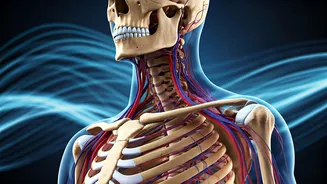
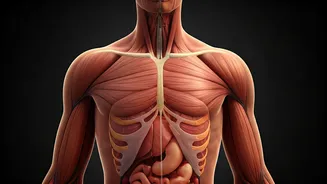
the risk of exercise-related injuries. It’s a period where muscle mass naturally begins a slow decline, and the elasticity of our tendons diminishes. Alongside this, our capacity to repair tissues after the stresses of exercise slows down considerably. Joint cartilage, the cushioning in our joints, also starts to wear away gradually, and bone density can decrease, a phenomenon particularly notable in women. These cumulative changes mean that activities which were once easily managed might now place undue stress on the body, leading to strains, sprains, or overuse syndromes. The hormonal shifts characteristic of this life stage further contribute to reduced resilience in our musculoskeletal system, making us more susceptible to damage from sudden increases in load or high-impact movements. It's crucial to acknowledge these shifts not as limitations, but as indicators for a more intelligent approach to fitness.
Common Training Pitfalls
A prevalent misstep many individuals make in their 40s and 50s is attempting to maintain the same training intensity and recovery expectations as they did in their younger years. This often manifests as neglecting structured warm-up routines, underestimating the necessity of mobility exercises, and pushing too hard too soon with increasing weights or workout intensity. Furthermore, there's a common tendency to overlook or dismiss early signals of distress, such as persistent muscle soreness or joint discomfort, which can then escalate into more severe injuries. Inconsistent training habits, characterized by periods of inactivity followed by bursts of intense effort, significantly amplify this risk. The body in midlife requires a more nuanced approach, one that respects its current capabilities and prioritizes gradual adaptation over aggressive progression to avoid injury.
Crafting a Midlife Plan
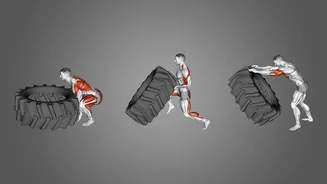
To develop an effective and safe workout regimen during midlife, a balanced focus on strength training, mobility work, and controlled cardiovascular activities is paramount. Strength exercises are vital for preserving muscle mass, which in turn supports joint stability and overall metabolic health. Mobility exercises are essential for maintaining the full range of motion in our joints, combating the stiffness that often accompanies aging. When engaging in strength training, emphasize controlled movements and functional exercises that mimic everyday activities. Adequate protein intake is crucial to support muscle repair and growth. For cardiovascular health, opt for lower-impact activities like brisk walking, cycling, or swimming, which provide aerobic benefits without placing excessive stress on the joints. Prioritizing rest and recovery is equally important, as tissue repair naturally takes longer with age; respecting this recovery period is key to long-term consistency and injury prevention.