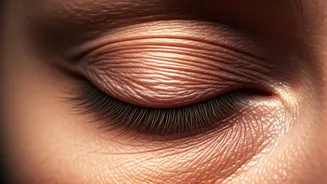








Understanding Eye Twitching
Experiencing an involuntary fluttering in your eyelid for an extended period can be a source of anxiety. This phenomenon, known medically as myokymia,
often arises from overstimulation of the nerves controlling eyelid muscles. Several everyday factors can contribute to this, including elevated stress levels, insufficient sleep, excessive caffeine consumption, and prolonged periods spent staring at screens. These activities can disrupt the delicate balance of nerve signals, leading to the characteristic muscle spasms. For instance, inadequate rest can leave the nervous system in a heightened state, causing eyelid muscles to fatigue and twitch repeatedly until sleep patterns are normalized. Similarly, while many turn to coffee for energy, its stimulating effects can exacerbate muscle twitches, particularly in sensitive individuals. Likewise, extensive screen time can result in eye strain, reduced natural blinking, and the uncomfortable sensation of dry eyes, all of which can manifest as persistent twitching.
Lifestyle Triggers Explained
The link between lifestyle habits and persistent eyelid twitching is significant, with experts emphasizing its role over more serious underlying conditions. When the delicate muscles surrounding the eye become fatigued or excessively stimulated, they are prone to repetitive, involuntary contractions. Factors such as extended periods of computer or mobile device use, general fatigue, and eyes that are dry or irritated are frequently implicated. While most episodes of twitching resolve within minutes or days, they can unfortunately linger for several weeks when common triggers remain present in daily routines. Stress, in particular, plays a crucial role; during stressful periods, the body releases hormones that heighten nerve activity and muscle tension. Concurrently, insufficient sleep prevents the necessary recovery of both nerves and muscles, potentially prolonging the twitching episodes beyond the usual duration.
When to Consult a Doctor
While occasional eyelid twitching is generally harmless, there are specific indicators that suggest a medical evaluation by an eye specialist is necessary. If the twitching persists for more than three to four weeks, or if it begins to affect other facial muscles, it warrants professional attention. Furthermore, the presence of accompanying symptoms such as drooping of the eyelid, redness, swelling, or any changes in vision should prompt a doctor's visit. A notable warning sign is when the twitching extends to the cheek, lips, or the opposite side of the face, which could indicate a condition like hemifacial spasm requiring expert assessment. Although rare, persistent twitching can sometimes be associated with conditions like blepharospasm, irritation of the facial nerve, or ongoing eye irritation. A thorough medical examination is essential to rule out these possibilities and ensure appropriate treatment is initiated if needed.
Effective Relief Strategies
Fortunately, in the majority of cases, simple adjustments to daily habits can significantly reduce or eliminate bothersome eyelid twitching. Since fatigue, stress, and eye strain are primary contributors, focusing on improving these areas of your lifestyle is key to finding relief. Aiming for 7–8 hours of quality sleep each night is paramount for allowing your nervous system and muscles to recover. Effective stress management techniques can also play a vital role. Moderating caffeine intake and incorporating regular breaks during extended screen time sessions are beneficial. Additionally, maintaining proper hydration and ensuring adequate nutrition are important. Deficiencies in certain minerals, such as magnesium, can exacerbate muscle twitching. Therefore, incorporating foods rich in magnesium, like pumpkin seeds, almonds, spinach, bananas, and dark chocolate, can support nerve and muscle function. Adopting the 20-20-20 rule—taking a 20-second break every 20 minutes to look at something 20 feet away—is also highly effective in alleviating digital eye strain.