





Creamy Deception Decoded
Many have experienced the slight disappointment of a cake's frosting not quite meeting expectations – a texture that feels a bit too firm, an artificial
sweetness, or a lingering waxy sensation. This sensation often signals that the 'cream' adorning your dessert isn't traditional dairy whipped cream, but rather a non-dairy alternative. While these plant-based options have become a staple in many bakeries, particularly in warmer climates like India, due to their superior stability, understanding the distinction is crucial for consumers. Knowing the difference allows you to make informed choices, whether your concern lies with ingredient preferences, nuanced taste profiles, or simply ensuring you receive the product you anticipate when ordering a special treat.
Defining Dairy and Non-Dairy
Before diving into identification methods, it's essential to grasp the fundamental composition of both types of cream. Dairy whipped cream originates from cow's milk, requiring a minimum of 30% dairy fat to achieve its characteristic creamy texture, smooth mouthfeel, and ability to form stable peaks when whipped. The fat molecules are key to trapping air, creating that light, airy consistency. Heavy or whipping cream typically boasts around 36% milk fat, making it a favoured ingredient for culinary applications demanding aeration. In contrast, non-dairy cream is a manufactured product, primarily composed of water, hydrogenated vegetable oil, and corn syrup, often enhanced with thickeners, emulsifiers, and stabilizers. This formulation is engineered to closely resemble dairy cream in appearance and function, offering excellent stability and heat resistance, which makes it incredibly practical for intricate cake decorations and extended display, especially in environments where real dairy cream would quickly falter.
Spotting the Subtle Signs
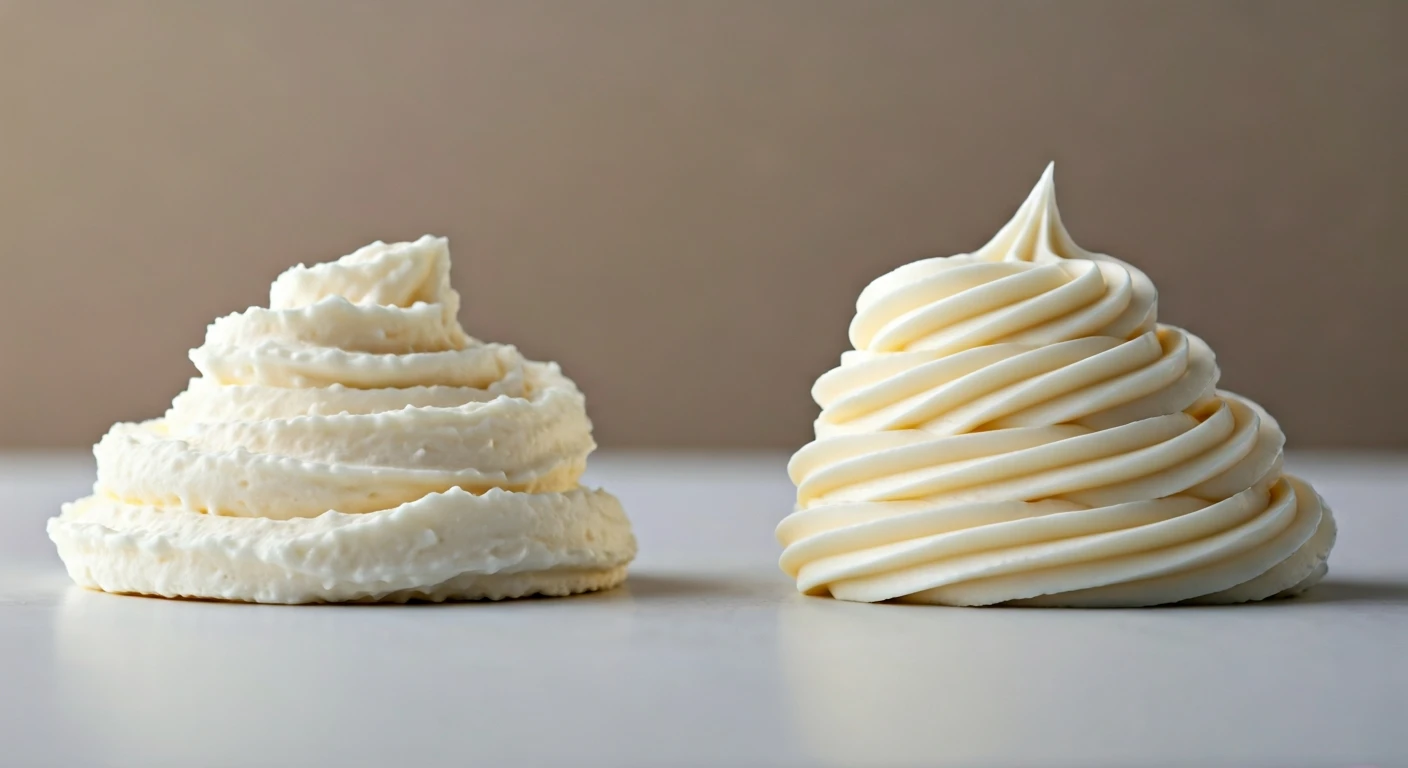
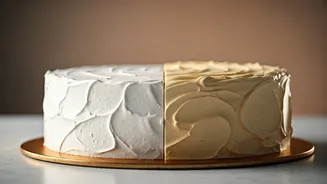
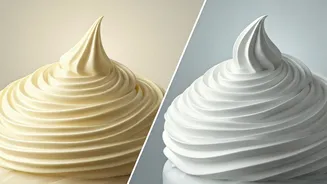
Distinguishing between dairy and non-dairy cream doesn't require a culinary degree; keen observation and sensory experience are your best tools. A taste test can reveal that dairy cream offers a lighter, subtly sweet, and clean milky flavour that complements, rather than overpowers, the cake. Non-dairy cream, conversely, tends to be much sweeter, with notes that can be artificial or overly rich, often leaving a distinct oily or waxy residue on the palate. The mouthfeel also differs significantly: dairy cream feels airy and soft, melting quickly with a fresh aftertaste, while non-dairy versions can feel denser, greasier, or waxy, leaving a lingering film. Visually, dairy cream frosting often has a slightly matte finish, with softer piping, whereas non-dairy cream typically presents a glossy, almost plastic-like sheen, with very sharp, crisp decorative elements. Furthermore, a simple melting test on your skin will show dairy cream dissolving almost instantly, while non-dairy cream remains noticeably firm and waxy. Checking ingredient labels is also a direct indicator, with dairy cream listed as 'cream' or 'dairy,' and non-dairy options featuring terms like 'vegetable fat,' 'stabilizers,' or 'whipped topping.' Finally, consider the context: premium bakeries often use dairy cream, reflected in a higher price point, while non-dairy cream is more common in budget-friendly establishments due to its affordability and ease of use.
The Bakery's Practical Choice
The prevalence of non-dairy cream in many Indian bakeries is largely driven by practical considerations, particularly in a climate with consistently high temperatures. Traditional dairy cream is highly susceptible to heat, requiring constant refrigeration throughout its journey from ingredient to final decoration. This poses significant logistical challenges in transporting cakes across cities, where even a short delivery time can lead to melting, wilting, or structural collapse of the frosting. Non-dairy alternatives, however, are remarkably stable. They can withstand extended periods outside refrigeration, maintaining their pristine appearance and structural integrity for hours, even in warm weather. This robustness is invaluable for maintaining the aesthetic appeal of elaborate cake designs, which often feature intricate piping and sharp details that dairy cream struggles to hold without softening. Therefore, bakeries often choose non-dairy cream not to compromise on quality, but to ensure product consistency, durability, and successful delivery to the customer, especially for custom orders and larger celebrations.
Informed Consumer, Happy Eater
Understanding the difference between dairy and non-dairy cream empowers you as a consumer. While non-dairy cream is often unfairly labelled as inferior, it serves a vital purpose, catering to individuals with lactose intolerance, dairy allergies, or vegan dietary choices, offering a comfortable option for a significant portion of the population. The core issue arises not from the existence of non-dairy cream, but from a lack of transparency when expectations don't align with reality, especially when 'cream' on a label implies dairy. By learning to discern the subtle cues – the taste, texture, visual finish, and even the price point or bakery context – you can navigate your choices more effectively. A quick mental summary: dairy cream melts readily, tastes clean and subtly sweet, appears matte, and leaves no oily residue. Non-dairy cream holds its form for extended periods, is noticeably sweeter, has a glossy finish, and can leave a soft, fatty film. Armed with this knowledge, you can confidently ask your baker about their ingredients and ensure you receive the specific creamy delight you're looking for, transforming your ordering and eating experience.