
Cozy Seating Arrangements
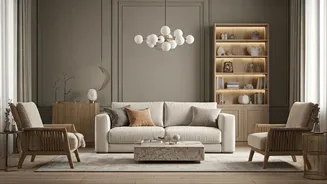
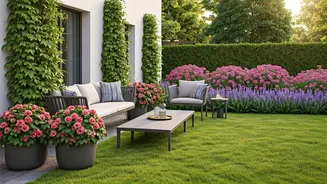
Start by considering seating, which shapes the terrace's functionality and comfort. Opt for modular sofas to adapt to different gatherings, or choose individual
chairs and benches for flexibility. Include cushions and throws for added comfort and style. Think about the space and choose furniture that fits. For smaller terraces, use compact, multi-functional furniture. For larger spaces, create distinct zones like a dining area and a lounge space. Select durable, weather-resistant materials such as teak or woven resin for longevity. Incorporating a swing or hammock also adds a playful and relaxing element to your terrace design, perfect for unwinding on warm afternoons. Consider the arrangement to ensure easy conversation and accessibility.
Greenery and Landscaping
Integrating greenery is key to making your terrace feel lively and connected to nature. Plan what types of plants to include. Use potted plants, hanging baskets, and vertical gardens to maximize space. Select plants that thrive in your local climate and require minimal maintenance. Choose a mix of flowering plants, herbs, and ornamental grasses to create a visually diverse and fragrant environment. Consider a small herb garden for fresh ingredients. Adding a vertical garden on a wall or railing is a great space-saving idea. Use planters of different sizes and styles for visual interest. Remember to include adequate drainage and consider the amount of sunlight your terrace receives when selecting plants. Regular watering, pruning, and occasional fertilization will keep your terrace garden thriving.
Lighting for Ambiance
Effective lighting is crucial for extending terrace usability into the evenings. Use a combination of ambient, task, and accent lighting to create a warm and inviting atmosphere. Install string lights along railings or overhead for a soft glow. Add lanterns or candles for a romantic touch. Consider spotlights to highlight architectural features or specific plants. Place path lights to illuminate walkways and steps, enhancing safety. Install dimmer switches to adjust the lighting according to the mood. Solar-powered lights are an energy-efficient option. Use outdoor-rated lights to withstand the weather conditions. Incorporating smart lighting systems can offer convenient control and customization of your terrace's lighting.
Flooring Options Explored
The right flooring significantly impacts the overall look and feel of your terrace. Explore several options. Wooden decking adds warmth and natural appeal, but needs regular maintenance. Composite decking offers a low-maintenance alternative that mimics the look of wood. Tiles, available in various materials like ceramic or porcelain, offer durability and style, but choose non-slip tiles for safety. Paving stones provide a classic and durable surface, available in different patterns and colors. Consider the climate of the region. Ensure proper drainage to prevent water damage and mildew. Choose a flooring material that complements your design theme and is resistant to weather conditions. The flooring serves as a foundational element, so choose wisely.
Incorporating Water Features
Adding a water feature can create a soothing ambiance and enhance the tranquility of your terrace. Consider a small fountain, a tabletop water feature, or even a mini-pond. The sound of running water can create a relaxing atmosphere. Choose a water feature that suits the size and style of your terrace. Ensure the water feature is properly maintained to prevent algae build-up. Consider the electrical requirements. If space is limited, opt for a small, self-contained water feature. Water features contribute to both aesthetics and a sense of serenity. Position the water feature strategically for optimal visual and auditory impact. Clean it regularly to prevent the growth of algae or other microorganisms.
Outdoor Kitchen Integration
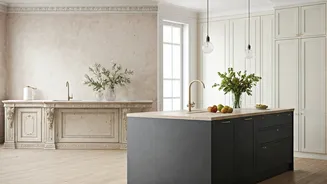
If you enjoy outdoor entertaining, consider an outdoor kitchen. Incorporate a grill, a countertop, and storage space. A small refrigerator and a sink are beneficial for preparing meals and keeping drinks cold. Ensure adequate ventilation and protection from the elements. Design your kitchen to blend with the terrace design. Ensure it is accessible from the main seating area. If space is limited, a portable grill or a compact outdoor kitchen setup is sufficient. Prioritize durable, weather-resistant materials for the kitchen. Integrate ample lighting to illuminate the cooking area. An outdoor kitchen adds functionality and enjoyment.
Defining Zones and Layout
Careful planning of the terrace layout is essential. Divide the terrace into functional zones such as a dining area, a lounge area, and a gardening space. Use rugs, planters, or screens to define each zone. Arrange furniture and accessories to create distinct areas for different activities. Ensure a smooth flow between these zones. Consider traffic patterns and ease of movement when placing furniture. Use outdoor rugs to add color and define seating areas. Make sure there is enough space to move between different areas comfortably. A well-planned layout enhances the functionality and aesthetics of your terrace. A clearly-defined layout makes the terrace more enjoyable.
Selecting Color Palettes
Choosing the right colors can dramatically transform your terrace's ambiance. Start with a neutral base, such as white, gray, or natural wood tones, and add pops of color through furniture, cushions, and accessories. Consider a color scheme that complements your home's exterior. Use colors that reflect the surrounding landscape. Incorporate accent colors through cushions, throws, and decorative items. Choose colors that create a harmonious and inviting atmosphere. Experiment with different combinations to find the right balance. Consider the time of day and how natural light impacts the colors. Colors are key to the overall design of the terrace.
Adding Privacy Elements
Enhance your terrace's privacy with several methods. Use screens, trellises, or tall plants to create a barrier from neighboring properties. Plant dense shrubs or hedges along the perimeter. Install a privacy screen made of wood, bamboo, or metal. Use outdoor curtains or shades to provide shade and privacy. Consider the height and density of the privacy elements to maintain openness while increasing seclusion. Balance privacy with aesthetics to enhance the overall design. Ensure the privacy elements complement the architectural style of your home. Incorporate privacy features to create a more intimate and comfortable outdoor space.
Accessorizing Your Terrace
Accessories are vital in adding personality and style to your terrace. Include outdoor rugs, cushions, throws, and decorative items to inject color and character. Add artwork, mirrors, or wall hangings to enhance the aesthetics. Use lanterns, candles, and decorative lights to create ambiance. Place decorative pots and planters with flowers and plants. Incorporate a variety of textures and materials to create visual interest. Select accessories that reflect your style and complement the overall design. Change accessories seasonally to keep the space fresh and exciting. These details add the final touch.