







Understanding Knee Health
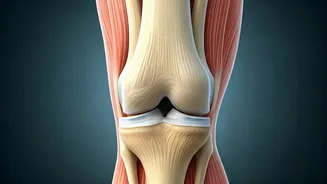
Knee health is crucial for maintaining mobility and overall well-being. The knee joint, a complex structure, is susceptible to wear and tear over time,
potentially leading to conditions like osteoarthritis. Understanding the factors that affect knee health is the first step toward preventive care. These factors include age, activity level, and genetics. Additionally, lifestyle choices like diet and exercise play significant roles. Regular physical activity strengthens the muscles around the knee, providing support and stability, while a balanced diet helps manage weight, reducing stress on the joints. Being aware of these elements empowers individuals to take proactive steps, such as adopting protective measures and making informed decisions to promote long-term joint health. This understanding forms the foundation for effective knee care strategies.
Exercise Smartly & Often
Incorporating regular, low-impact exercise into your routine is vital for knee health. The orthopaedic doctor recommends exercises that strengthen the muscles around the knee without placing excessive strain on the joint. These activities include swimming, cycling, and brisk walking. Swimming provides a full-body workout with minimal impact, making it ideal for those with knee concerns. Cycling, another low-impact exercise, improves cardiovascular health while strengthening the leg muscles. Walking is a simple, accessible exercise that can be easily integrated into daily life. It is crucial to vary exercise routines to prevent overuse injuries. Moreover, incorporating stretching exercises can enhance flexibility and range of motion, further supporting joint health. Always warm up before exercise and cool down afterward. Listen to your body and avoid activities that cause pain or discomfort.
Weight Management Matters
Maintaining a healthy weight is paramount for knee health, as excess weight places additional stress on the knee joints. The orthopaedic doctor emphasizes the importance of weight management to alleviate this stress and potentially prevent the acceleration of joint damage. Every extra pound increases the load on the knees, potentially leading to faster wear and tear. Adopting a balanced diet is a key factor in weight management. This includes consuming nutrient-rich foods, controlling portion sizes, and limiting processed foods, sugary drinks, and unhealthy fats. Regular physical activity, as discussed previously, also contributes significantly to weight management. A combination of a balanced diet and regular exercise is the most effective approach to maintain a healthy weight and minimize strain on the knees. Even a modest weight reduction can make a noticeable difference in reducing knee pain and improving overall joint health.
Dietary Considerations
Dietary choices significantly affect joint health and inflammation levels. An orthopaedic doctor recommends incorporating an anti-inflammatory diet. This dietary approach focuses on including foods rich in nutrients that help reduce inflammation. Essential components include fruits, vegetables, and foods rich in omega-3 fatty acids. Foods high in antioxidants, such as berries and leafy greens, can combat free radicals and protect joint tissues. Omega-3 fatty acids, found in fatty fish like salmon, have been shown to reduce inflammation. It is also important to limit the consumption of foods that can exacerbate inflammation. These foods include processed foods, sugary drinks, and foods high in saturated and trans fats. Maintaining a balanced diet provides the necessary nutrients for overall health and supports the body's natural healing processes, potentially aiding in joint health and reducing the risk of knee problems. Regular intake of foods rich in vitamins and minerals is crucial for maintaining overall joint well-being.
Proper Footwear and Support
Wearing appropriate footwear and utilizing supportive aids can greatly contribute to knee health. The orthopaedic doctor advises selecting shoes that provide adequate support, cushioning, and stability. Well-fitted shoes with good arch support help distribute weight evenly, reducing stress on the knees. For individuals with specific knee problems or those engaging in high-impact activities, the use of knee braces or orthotics can provide additional support and protection. Knee braces offer added stability and can help prevent excessive movement, particularly during sports or other strenuous activities. Orthotics, custom-designed shoe inserts, can correct foot alignment, which subsequently can reduce stress on the knees. It is essential to choose footwear that suits your activity level and provides the necessary support. Consulting with a podiatrist or orthopaedic specialist can help determine the best options for your specific needs, ensuring optimal comfort and protection for your knees.
Listen to Your Body
One of the most essential aspects of knee care is paying close attention to your body and responding to pain signals promptly. An orthopaedic doctor stresses the significance of recognizing and addressing any pain or discomfort in the knees. Pain is the body's signal that something is wrong. Ignoring pain can lead to more serious issues. If you experience knee pain, it is important to rest and avoid activities that aggravate the condition. Ice packs, elevation, and over-the-counter pain relievers can help manage discomfort. If the pain persists or worsens, consult with a medical professional to receive an accurate diagnosis. Early intervention is essential for preventing further damage. Self-care measures, such as modifying activities and performing gentle stretches, can support healing. Always pay attention to your body’s signals and respond accordingly to ensure long-term knee health.