






The Contempt Trap
While everyday frustration is a normal part of any relationship, contempt is a far more destructive force. It's characterized by a pervasive sense of superiority,
where one partner views the other with disdain. This isn't about disagreeing on chores; it's about attacking the core of a person's character. A sharp eye-roll, a mocking tone, or a condescending remark are hallmarks of contempt, which Dr. John Gottman identifies as the most potent relationship killer. When admiration erodes and is replaced by disgust, the foundation of respect crumbles, making it nearly impossible to sustain a healthy partnership. Even couples who argue frequently can thrive if they possess strong emotional "shock absorbers," but contempt paralyzes this ability.
Failed Repair Attempts
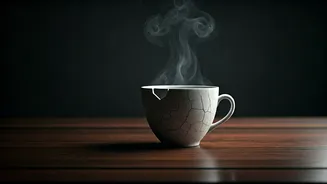
Healthy relationships have the ability to bounce back from conflict. Think of repair attempts as lifelines tossed during a storm. These can be small gestures, like a well-timed joke, a comforting touch, or a request for a moment to pause and regroup. In a strong marriage, these olive branches are accepted, de-escalating tension and fostering understanding. However, in a relationship on the brink, these attempts are often ignored, rejected, or met with anger. When a couple can no longer effectively hit the "pause button" during disagreements, minor disagreements can inflict lasting damage, much like repeated impacts can structurally weaken a building.
Rewriting Shared History
Your current emotional state acts as a powerful filter, drastically altering how you perceive past events. For instance, a couple experiencing marital bliss might recall a disastrous, rain-soaked wedding day with fond amusement, seeing it as an event that brought them closer. Conversely, a couple on the verge of separation might view the same wedding as a dire omen they foolishly overlooked. Positive memories can be retroactively tainted, and quirks that once fostered attraction can be reinterpreted as major red flags. When bitterness from the present is strong enough to tarnish genuinely happy memories, it signifies a critical turning point has been reached, where the past is no longer a source of comfort but of regret.
The Quiet Collapse
Marriages often don't end with a dramatic, explosive fight. Instead, the dissolution is frequently a gradual, quieter process that unfolds in everyday moments. The person you once felt you knew intimately can begin to feel like a stranger sharing your home. Relationship researcher Dr. John Gottman's extensive studies revealed a startling accuracy in predicting divorce, achieving 94% predictability. His key insight wasn't about whether couples argued, as conflict is normal; it was about the dynamics of their arguments and, crucially, their ability to recover from them. This quiet erosion is often more devastating than any public spectacle.
Emotional Flooding Signals
Experiencing a sudden spike in heart rate and chest tightness during a discussion can be a sign of "flooding." This physiological response occurs when a partner's negativity feels overwhelming, causing your nervous system to perceive the situation as a genuine threat, akin to facing physical danger. Adrenaline surges, blood pressure rises, and you enter a fight-or-flight mode, which completely inhibits empathy and constructive problem-solving. If your living environment consistently triggers such a primal stress response, your innate human drive for self-preservation will eventually compel you to seek escape from the perceived danger, often leading to withdrawal or separation.