



Expressway Now Open
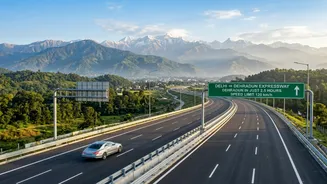
The highly anticipated Delhi-Dehradun Expressway has officially commenced operations, marking a significant advancement in inter-city connectivity. Inaugurated
on April 14, 2026, the entire 213-kilometer stretch connecting Delhi's Akshardham temple to Dehradun is now accessible to the public. This development promises to revolutionize travel between the national capital and the popular hill station, drastically reducing the duration of the journey and enhancing the overall travel experience for commuters.
Journey Time Revolution
The travel time between Delhi and Dehradun has been dramatically reduced, transforming a journey that once took approximately 6 hours into a swift trip of just about 2.5 to 3 hours. This substantial decrease in travel duration is a direct result of the expressway's design and its efficient connectivity, allowing for significantly faster transit between the two key locations. Commuters can now plan their trips with greater ease and efficiency, making day visits or short getaways much more feasible.
Navigating the Route
The expansive 213 km Delhi-Dehradun Expressway traverses a strategic path, passing through several key towns and cities. Travelers will journey via Loni, Khekra in Baghpat, Baraut, Shamli, Muzaffarnagar, Saharanpur, Ganeshpur, and Asharodi, before reaching their final destination in Dehradun. This route has been carefully chosen to optimize accessibility and connectivity across the region, linking various important areas and facilitating smoother movement.
Entry and Exit Points
The expressway offers distinct entry and exit points to manage traffic flow efficiently. The journey commences at the Akshardham temple in Delhi and concludes at Asharodi in Dehradun. Along the route, key access points include Loni, Khekra (Baghpat), Lohadda, Karonda, Mahajan, Khyawari, and Saharanpur, providing convenient access for residents and travelers from these vicinities to join or leave the expressway.
Toll Charges and FASTag
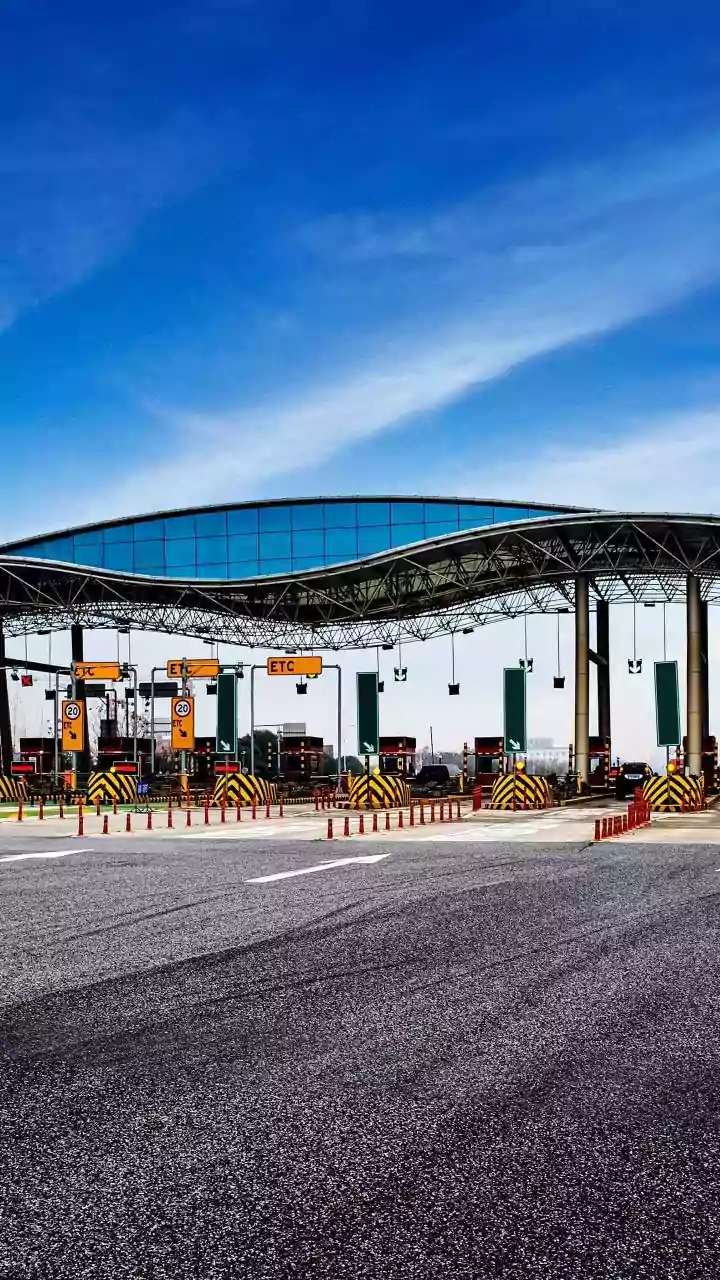
The Delhi-Dehradun Expressway features 5 toll plazas, all equipped with FASTag technology for seamless transactions. For passenger cars and sedans, a single one-way trip is expected to cost between Rs 670 and Rs 675. A round trip, completed within 24 hours, is estimated to be around Rs 1,000. It is important to note that not all toll plazas are fully operational at this initial stage, so travelers should be prepared for potential minor adjustments.
Wildlife Corridor Feature
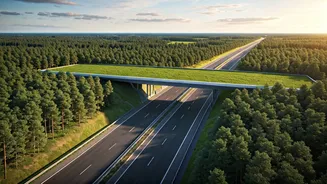
A remarkable feature of this 6-lane, access-controlled expressway is Asia's longest elevated wildlife corridor. Spanning approximately 12 kilometers within Rajaji National Park, this innovative design allows for the safe passage of wildlife across the expressway, minimizing human-wildlife conflict and preserving the natural habitat. This environmentally conscious approach is a significant aspect of the expressway's construction.
Future Extension Plans
Looking ahead, there are plans to further extend the Delhi-Dehradun Expressway all the way to Mussoorie. This proposed extension aims to alleviate traffic congestion in Uttarakhand's capital city and provide an even more direct and convenient route for tourists and residents heading to the popular hill station. The development underscores a commitment to enhancing regional infrastructure and connectivity.
Current Amenities Status
While the expressway itself is fully operational, travelers should be aware that some roadside amenities are still under development. Essential facilities such as petrol pumps, rest areas, restrooms, and dining options may not be completely ready for use in the initial period. Passengers might experience minor inconveniences until these services are fully established, so it is advisable to plan accordingly for immediate travel.