






Ather's Market Presence
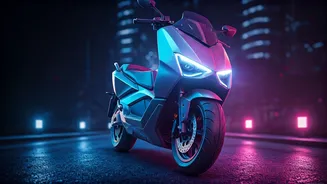
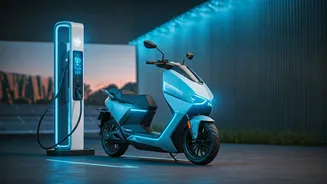
Ather Energy has carved a significant niche for itself within the electric vehicle (EV) market of India, specializing in the production of electric scooters.
The company has focused on providing technologically advanced and contemporary designs to attract customers. Ather's approach is not just about selling vehicles but also establishing an ecosystem of charging infrastructure and service networks. This strategic integration is crucial in overcoming range anxiety and enhancing the overall user experience. The company’s focus on the urban areas and tech-savvy consumers further demonstrates their market strategy. As the EV market continues to evolve, Ather's early investments in technology and infrastructure are positioning it for growth, as well as influencing the future of electric mobility in India. The competition in the market will grow as more players enter the EV sector.
Investment Considerations
Analyzing Ather Energy as a potential investment requires a keen eye on several factors. Investors should carefully assess the company's financial performance, including revenue growth, profitability, and cash flow. The EV sector's long-term growth potential is promising, yet it is essential to consider the risks linked with market volatility, technological advancements, and competition. Evaluate Ather's competitive advantages, such as its brand reputation, technological innovations, and service network. Understanding the company's expansion plans, including production capacity, market penetration strategies, and product development pipeline, is also essential. Investors must evaluate Ather's management team and their track record. Overall, evaluating Ather Energy for investment requires a comprehensive understanding of both the company's financial standing and the broader dynamics of the EV market.
The Indian EV Context
The Indian government has played a crucial role in promoting electric vehicle adoption, primarily through policy support and financial incentives. Schemes like the FAME (Faster Adoption and Manufacturing of Electric Vehicles) initiative provide subsidies and tax benefits that make EVs more affordable for consumers. These policies aim to boost demand and encourage domestic manufacturing of EVs and components. The Indian EV market is expanding rapidly, with several new companies and investment flowing into the sector. This has intensified the competition, creating a dynamic environment where companies must innovate continuously. Furthermore, increasing awareness about climate change and pollution is also driving the adoption of EVs. As India transitions towards electric mobility, the infrastructure development, like charging stations, and grid upgrades will be crucial to support the growing EV fleet.
Challenges and Opportunities
Ather Energy, like all companies in the EV industry, faces several challenges. These include high initial costs, the need to build robust charging infrastructure, and the complexity of securing components. Another challenge is to deal with fluctuating commodity prices and changing government regulations. Despite these challenges, there are numerous opportunities. The growing demand for eco-friendly vehicles provides a favorable market. The advancement in battery technology and the push towards domestic manufacturing also support the industry. Collaborating with other players, such as technology companies and energy providers, can boost innovation and enhance the customer experience. Ather Energy's capacity to adjust to these changes and capitalize on the available opportunities will determine its long-term success. The ability to meet these challenges will define Ather's evolution in the growing EV market.