




Year-Round Access Granted
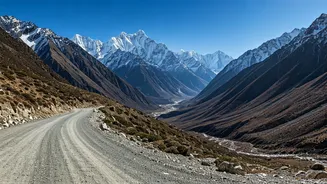
For nature enthusiasts dreaming of the Garhwal Himalayas' winter charm, a significant announcement has been made: Nelong Valley, often dubbed the 'Ladakh
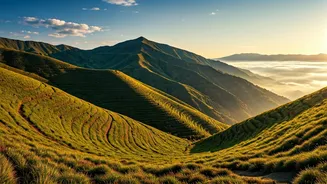
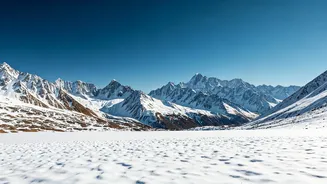
of Uttarakhand' due to its stark, rocky terrain, will now welcome visitors even during the colder months. Previously, this enchanting region was inaccessible from November to March because of harsh winter conditions. Responding to directives from the state administration, the forest department has developed a strategic plan to foster winter tourism in the valley. Harish Negi, Deputy Director of Gangotri National Park (GNP), confirmed that a decision has been finalized to keep Nelong Valley open throughout the winter season, with all activities adhering to strict safety protocols and established operating procedures. This move opens up new avenues for exploration and adventure in a landscape previously enjoyed only during warmer periods, allowing a broader audience to witness its unique autumnal and winter splendor.
Winter Entry Regulations
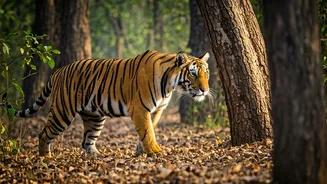
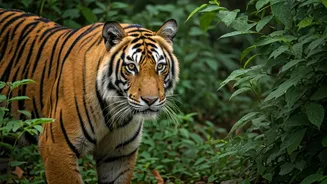
Situated close to the Chinese border and nestled within the expansive Gangotri National Park (GNP), Nelong Valley is now implementing specific entry controls for the winter season. To manage the influx and preserve the environment, access will be capped at a maximum of 100 tourists and 20 vehicles daily. Visitors can enter between 8 am and 11 am and must complete their exploration by 5 pm. This regulated entry is designed to ensure a more intimate and sustainable experience of the valley's remarkable natural beauty. The park, recognized as India's third-largest national park, offers breathtaking panoramas, including views of the Tibetan plateau, and is a habitat for the elusive snow leopard. These measures aim to balance tourism appeal with ecological conservation, making winter visits a privileged and carefully managed affair.
Preservation and Fees
Maintaining the pristine condition of Nelong Valley is a top priority, leading to the strict enforcement of a 'carry in-carry out' waste management policy. Officials have stated that every visiting group will be required to pay a security deposit of Rs 100, which will be reimbursed only upon their return with all the waste they have generated during their visit. A dedicated 'waste log book' will be maintained at the entry barrier to track this process. For day visits, Indian tourists will be charged an entry fee of Rs 300, while foreign nationals will incur a fee of Rs 1,200. Additional charges apply based on vehicle categories, and a separate fee is levied for photography. Importantly, the use of drones for any photography or videography purposes is strictly prohibited to ensure the tranquility and safety of the area and its wildlife.
Accessible Routes and Attractions
The accessible tourist stretch within Nelong Valley will now span a total of 30 km throughout the year, encompassing the 23 km route from Bhaironghati to Nelong and an additional 7 km stretch from Nelong to Naga. This ensures continuous access, a significant shift from the previous closure on November 30 annually. Beyond the stunning arid, rocky landscapes reminiscent of Ladakh, the valley presents several unique attractions. Visitors can marvel at the panoramic views extending to the Tibetan plateau and keep an eye out for the rare snow leopard. A significant historical landmark is the 150-year-old Gartang Gali, a remarkable wooden cliff-hanging bridge constructed by Pathans from Peshawar during the colonial era to facilitate trade with Tibet. This accessible route allows for a deeper appreciation of the valley's natural grandeur and historical significance.