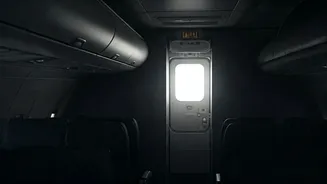







Abandon Your Belongings
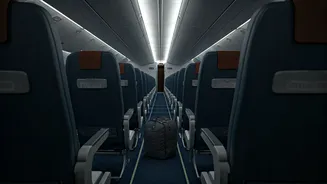
During an emergency evacuation on an aircraft, the absolute priority is to leave all cabin baggage behind. This is not a suggestion but a critical directive
emphasized by all airlines, including Swiss International Air Lines. Attempting to retrieve or carry your luggage significantly impedes the evacuation process. It can block aisles, create tripping hazards, and even puncture the inflatable slides designed for a rapid exit. The seconds lost fumbling for personal items can be the difference between a swift escape and a dangerous delay for everyone onboard. Cabin crew are trained to instruct passengers to leave everything, so adhere to their commands immediately.
Heed Crew Commands
When an emergency unfolds, cabin crew members are your most reliable source of information and guidance. They are rigorously trained to handle such high-stress situations and will issue clear, concise commands. Phrases like 'Leave everything!' or 'Jump and slide!' are designed for immediate action. It's imperative to listen attentively and act without hesitation. Every moment is precious, and following their instructions precisely is paramount to ensuring a swift and orderly evacuation for all passengers. Trust their expertise, as their training is specifically geared towards managing these critical scenarios.
Know Your Exit
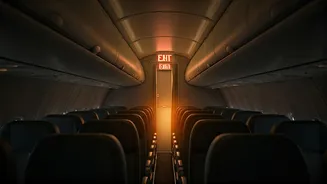
A simple yet life-saving practice is to count the rows to the nearest exit when you first board the aircraft. In situations where visibility is compromised by smoke or darkness, this pre-planned mental map becomes invaluable. This knowledge allows you to navigate efficiently towards safety, even if the usual visual cues are obscured. Being aware of your closest exit option in advance can drastically reduce the time it takes to reach a safe point, especially if your primary exit becomes inaccessible. It’s a proactive step that empowers you to act decisively.
Adopt Brace Position
If the cabin crew instructs you to assume the brace position, it's a vital safety measure to prepare for impact. When it's time to exit, the procedure requires specific actions to ensure a smooth and safe descent down the evacuation slide. Cross your arms, keep your legs together, and slide down. Avoid sitting down or pausing at the doorway, as this can create a bottleneck and slow down the flow of people. Proper execution of these steps helps maintain momentum and ensures that as many people as possible can exit quickly and without injury.
Prioritize Flow
While it's natural to want to help others, in an emergency evacuation, the fastest way to save the most lives is to maintain a continuous, unimpeded exit flow. Assist children or individuals who genuinely need help only if it does not disrupt or slow down the overall evacuation process. A rapid and consistent egress benefits everyone on board. The priority is to get as many people to safety as quickly as possible, and a continuous stream of evacuees is the most effective strategy to achieve this goal.