



Arrival and Ceremony
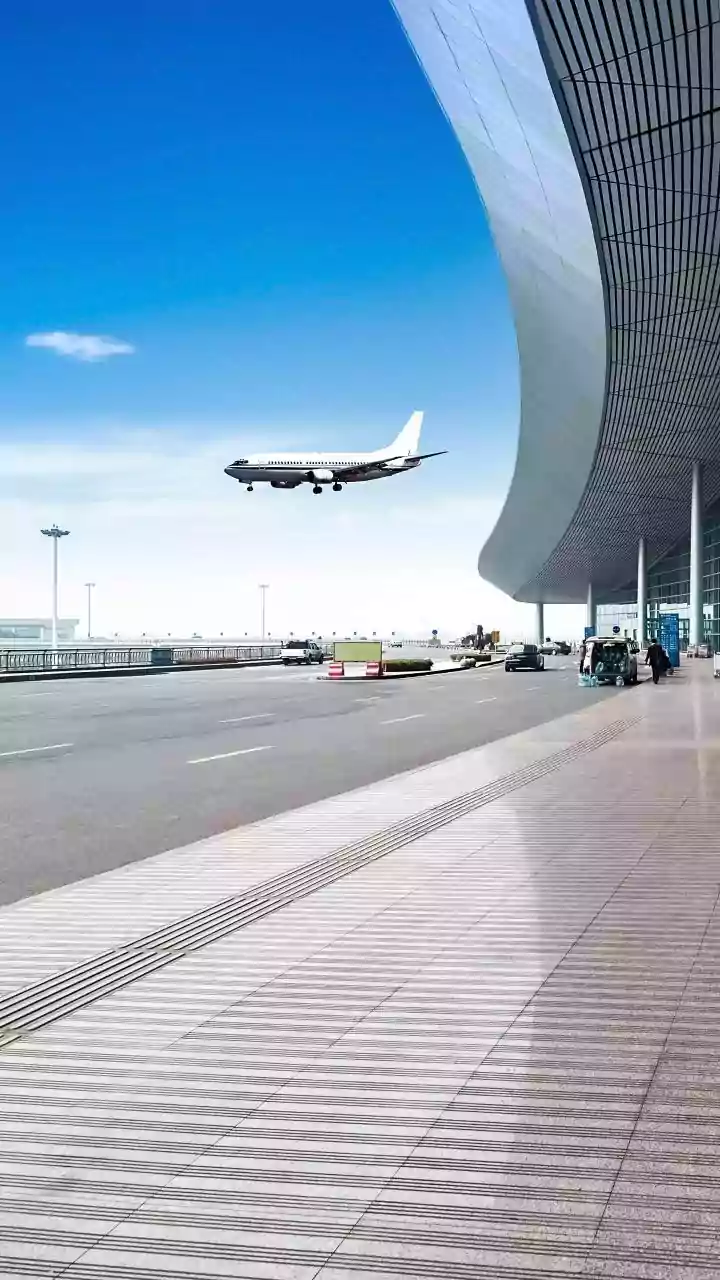
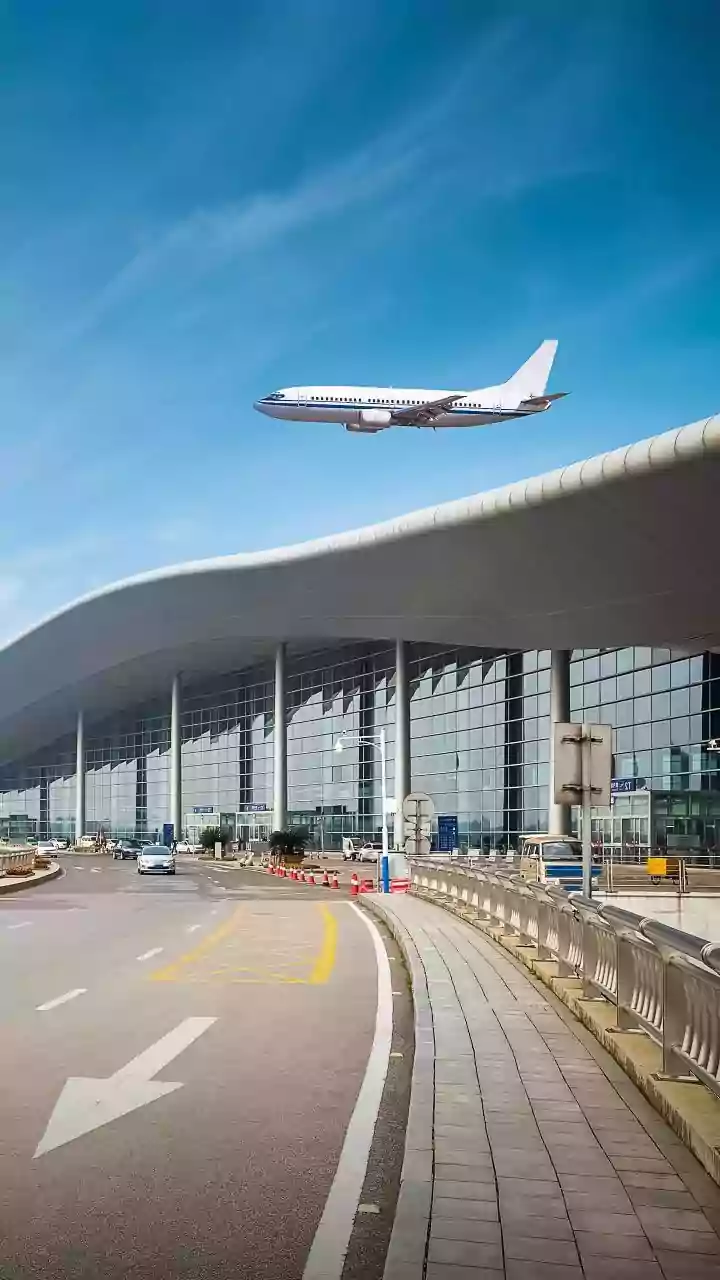
President Putin's arrival in India was marked by formal ceremonies. The visit likely involved welcoming events and official meetings. This part of the
trip would have set the stage for discussions on various topics between the two nations. The arrival usually includes a ceremonial welcome to honor the visiting dignitary, and this visit was no different. The atmosphere during such ceremonies often reflects the warmth and significance of the diplomatic ties between the countries involved. These opening formalities establish the tone for the discussions and the activities that will follow throughout the visit. Details of the specific arrival ceremonies, such as the location and participants, would have been widely reported in the media.
Key Bilateral Discussions
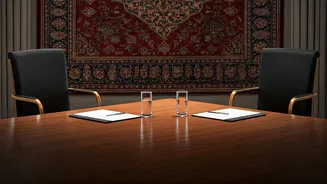
A core aspect of President Putin's visit would have been bilateral discussions with Indian leaders. These high-level talks likely encompassed a broad range of topics, including trade, defense cooperation, and regional issues. Agreements and joint statements usually emerge from these discussions, which provide frameworks for future collaboration. The primary focus of these discussions is often on strengthening ties between the two countries. The specific agenda for the discussions would have been shaped by the current state of relations, and the shared strategic goals of India and Russia. The outcomes of such discussions are usually detailed in official communiqués and agreements.
Focus on Defense
Defense cooperation has often been a significant pillar of the India-Russia relationship. During the visit, discussions on defense matters, possibly related to arms deals, joint military exercises, and technology transfer, were likely on the agenda. Such collaborations have traditionally been important for both countries. The discussions would probably have involved addressing existing agreements and exploring future opportunities for defense cooperation. The specifics of these discussions, including the nature and scope of any new agreements, are crucial in understanding the depth of their strategic partnership. Details regarding these deals and agreements would have been made available through official channels.
Trade and Economic Ties
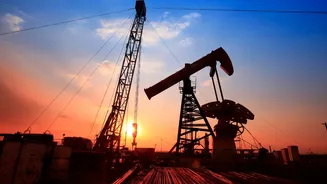
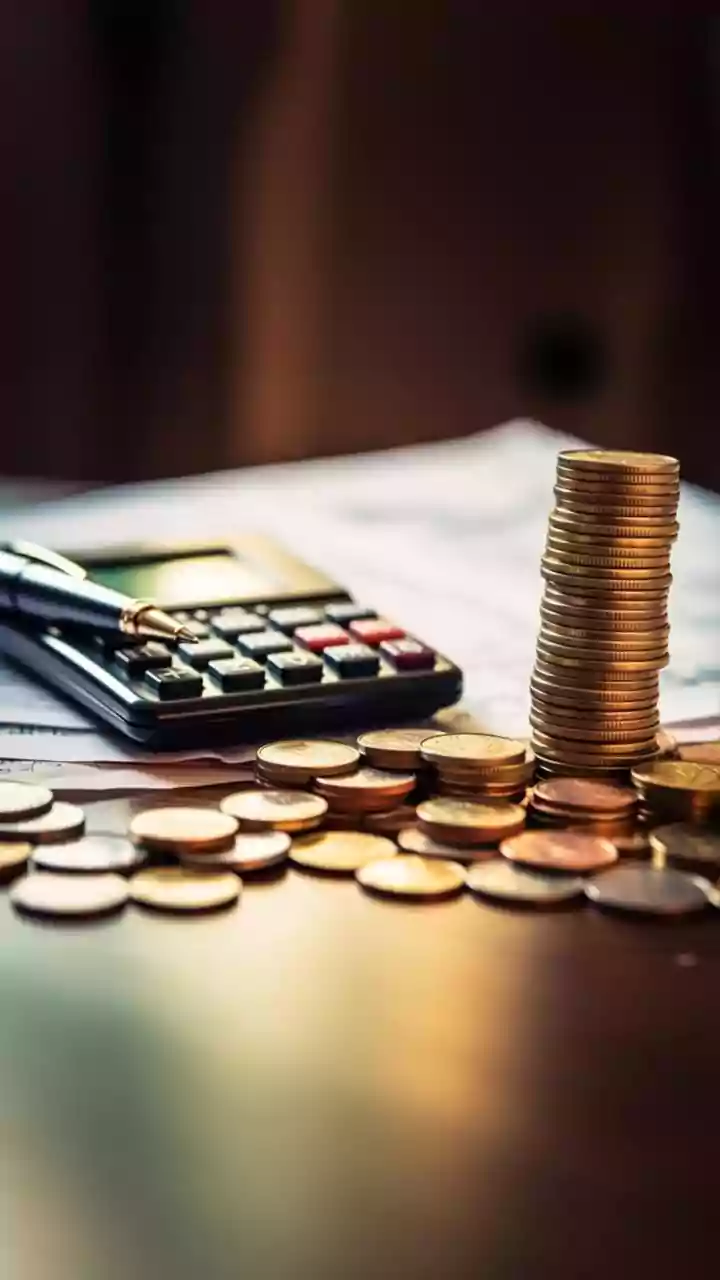
Expanding trade and economic ties is often a crucial aspect of high-level diplomatic visits. During President Putin’s trip, discussions related to increasing trade volumes, investment, and economic partnerships were expected. The goal of these talks is usually to boost bilateral trade and strengthen economic relationships. Specific initiatives, such as agreements in the energy sector, infrastructure projects, and cooperation in other economic sectors, are common discussion points. Information about the trade deals and investment opportunities would have been part of the discussions, fostering economic growth and development.
Regional and Global Issues
Beyond bilateral relations, the discussions likely included regional and global issues. This would have provided a forum to discuss topics such as international cooperation, security, and global economic challenges. Joint statements and agreements on issues like climate change, terrorism, and international law are a common outcome. The dialogue on such topics is essential for aligning their foreign policies and promoting peace and stability. The viewpoints and agreements reached during such discussions are an integral part of their diplomatic framework and their roles on the global stage. These exchanges help to align their perspectives on critical international issues.
Cultural Exchanges and Meetings
A typical state visit includes opportunities for cultural exchange and diplomatic meetings. It is likely that President Putin engaged in activities to showcase cultural ties between Russia and India. Diplomatic events, meetings with local leaders, and visits to cultural sites often occur during such trips. Such activities can strengthen people-to-people connections and highlight the cultural aspects of their partnership. The cultural elements also add a significant dimension to the visit. These interactions demonstrate the mutual respect and the value they place on their shared heritage and cultural experiences.