


Arabic Mehndi Elegance
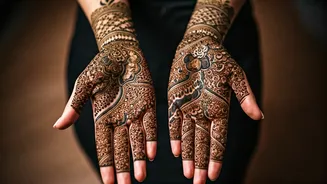
Arabic Mehndi styles continue to captivate globally with their distinct aesthetic. Characterized by bold floral motifs, strategic use of negative space,
and graceful, flowing vine patterns, these designs offer a lighter, quicker application. They are particularly well-suited for those seeking a contemporary, understated look. Incorporating elements like diagonal flowers interspersed with trailing vines and delicate tendrils can create a visually striking effect, complementing traditional attire beautifully. The openness of these designs makes them ideal for a modern interpretation of this ancient art form, adding a touch of sophistication without overwhelming the hands.
Intricate Indian Motifs
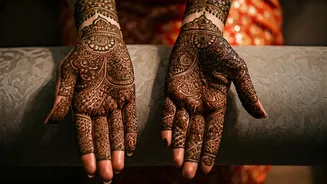
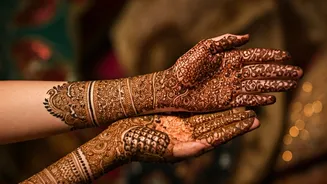
Indian Mehndi designs are celebrated for their profound depth and intricate detailing, deeply embedded in centuries of tradition. These styles typically involve full-hand coverage, featuring elaborate patterns such as geometric jaali work, elegant paisleys, majestic peacocks, and sacred mandala art. This dense, ornate approach is perfect for individuals who appreciate a maximalist aesthetic, offering a rich tapestry of design across the hands and arms. Newlywed brides often gravitate towards these fuller designs, as they create a stunning visual impact, especially for traditional photographs during celebrations like Eid. The complexity adds a significant cultural and artistic dimension.
Celestial Moon Designs
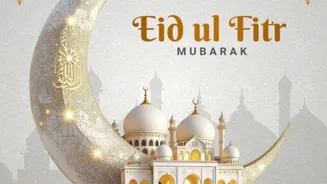
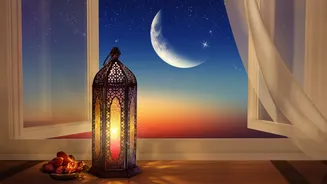
The crescent moon, a powerful symbol intrinsically linked with Eid, serves as an enchanting motif for Mehndi application. Designs can range from artistic interpretations like a floral chandelier adorned with moon elements, to celestial arrangements featuring moons and delicate stars, or even chains hanging from a moon. For those preferring a more understated yet highly effective design, a simple half-moon motif placed centrally on the palm or the back of the hand can make a significant statement. This minimalist approach, reminiscent of celebrity bridal Mehndi looks, offers a chic and modern way to incorporate a meaningful symbol into your festive adornment, ensuring a Pinterest-worthy finish.
Fusion of Styles
A prominent and highly admired trend, especially within India, is the fusion of Arabic boldness with the intricate detailing characteristic of Indian Mehndi. This blended approach allows for a harmonious combination, such as centering a mandala design and extending it with delicate Arabic vines and floral petals on the sides. Such integration results in a design that possesses a clean structure while incorporating integral fillers, leading to a balanced and aesthetically pleasing outcome. This hybrid style offers the best of both worlds, appealing to those who desire both clarity and complexity in their Mehndi art. Seeking out well-balanced designs online can provide excellent inspiration for achieving this captivating look.
Timeless Floral Artistry
Floral patterns have an undeniable and enduring appeal in Mehndi art, remaining universally loved and always in vogue. Whether it's clusters of roses, interwoven leafy vines with bouquet arrangements, or simple yet elegant stems and petals filling the spaces, flowers add a touch of natural beauty. For a particularly sophisticated and easily achievable design, a single, beautifully rendered lotus flower at the center of the palm can be highly effective. Flowers, symbolizing growth, joy, and new beginnings, resonate deeply with the spirit of Eid Al-Fitr, making them a meaningful choice for festive adornment. This timeless theme ensures a graceful and vibrant look.
Significance on Eid
Mehndi holds profound cultural importance, traditionally applied on the eve of Eid, known as Chaand Raat. This practice symbolizes blessings, the joy of celebration, and an appreciation for feminine beauty. In many South Asian traditions, the depth of the Mehndi stain is believed to be directly correlated with the intensity of happiness, love, and emotions experienced. In 2026, Mehndi transcends its ritualistic roots to become a significant fashion statement, enhancing one's overall Eid styling and contributing to the festive atmosphere. It's more than just an adornment; it's an integral part of the celebration's aesthetic and emotional fabric.