

Choosing Your Lemons
The foundation of exceptional lemon pickle lies in selecting the right lemons. For the best flavour infusion and a tender texture after pickling, opt for
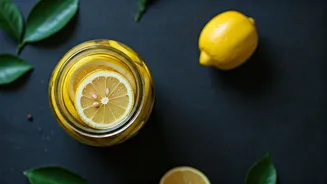
fresh, ripe specimens that are plump and heavy for their size. Crucially, look for lemons with thin skins; these are far more receptive to absorbing spices and will soften beautifully as the pickle matures. Conversely, avoid lemons that feel overly hard or exhibit any blemishes, as these might not yield the desired results. The vibrant zest and abundant juice from ideal lemons are key to developing that rich, balanced tang characteristic of a well-made pickle, ensuring a delightful accompaniment to your favourite dishes throughout the year.
Ensuring Absolute Dryness
Moisture is the nemesis of well-preserved pickles, and this holds especially true for lemon pickle. After washing your chosen lemons, it's imperative to dry them meticulously. Use a clean, soft cloth to wipe each lemon thoroughly. Following this, allow them to air dry completely before you proceed to cut them. Even a minuscule amount of residual dampness can significantly compromise the pickle's shelf life, potentially leading to undesirable fungal growth and a spoiled batch. Maintaining an environment free from excess water is paramount for extending the pickle's freshness and preserving its authentic taste.
Hygiene for Longevity
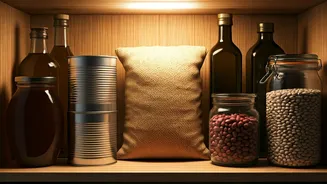
Maintaining impeccable hygiene throughout the pickling process is non-negotiable for a pickle that lasts. Always use sterilised glass jars for storing your lemon pickle. Ensure that these containers are not only clean but also bone-dry before you begin filling them. Any hint of moisture or the presence of contaminants from unclean utensils or jars can quickly lead to spoilage, diminishing both the pickle's delightful aroma and its flavour profile. Dedicating time to proper sterilisation and ensuring absolute dryness of all storage vessels is a critical step in guaranteeing a long and flavourful life for your homemade condiment.
Balancing Salt and Oil
Salt and oil function as indispensable natural preservatives, playing a dual role in both flavour enhancement and spoilage prevention. It's vital to employ the correct proportions of both. The salt not only adds to the taste but also draws out moisture and inhibits microbial growth. Similarly, the oil acts as a barrier, protecting the lemons and spices from air exposure. For optimal results, ensure that the oil completely envelops the cut lemon pieces. Achieving this delicate balance is essential for creating a pickle that is both delicious and possesses an extended shelf life, allowing you to savour its taste for months to come.
The Power of Sunlight
Harnessing the natural power of sunlight is a traditional and highly effective method for maturing lemon pickle. During the initial days of preparation, place the sealed jar in direct sunlight for several hours each day. This gentle warmth has a remarkable effect on the lemon pieces, helping them to soften naturally. Furthermore, the sunlight aids in the even distribution and melding of the various spices, allowing their flavours to penetrate the lemons more effectively. This exposure is key to developing a harmonious blend of tastes and a pleasing texture in your finished pickle.
Elevating Taste and Shelf Life
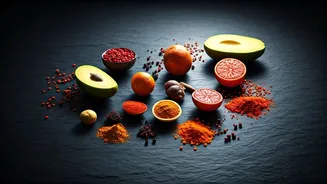
Beyond the fundamental steps, several additional practices can significantly enhance both the flavour and longevity of your lemon pickle. Always opt for freshly ground spices; their vibrancy in aroma, colour, and taste far surpasses that of older, pre-ground varieties. When cutting the lemons, strive for uniform piece sizes. This ensures that all pieces soften at a consistent rate and absorb the spice mixture evenly, leading to a more balanced pickle. Lastly, cultivate the habit of using a meticulously clean and dry spoon every time you access the pickle to stir or serve it, thereby maintaining hygiene and preventing moisture contamination.