



Digestive Comfort Unveiled
The choice between rice and roti often hinges on individual digestive comfort. White rice, stripped of its fibrous bran, is generally perceived as lighter
and quicker to process, making it a gentler option for those experiencing acidity, bloating, or a less robust digestive system. It requires less effort from the stomach to break down. Conversely, roti, typically made from whole wheat, boasts a higher fiber content. While this fiber is excellent for promoting regular bowel movements and supporting overall gut health, it also means roti takes longer to digest, leading to a more sustained feeling of fullness. For some, this extended satiety is a significant benefit, but for others with sensitive digestive tracts, the slower digestion process might feel heavy or uncomfortable. Ultimately, the digestive response to each grain is highly personal.
Glycaemic Impact & Balanced Meals
Contrary to popular belief, the difference in blood sugar spikes between white rice and whole wheat roti isn't as drastic as often assumed, especially when consumed in controlled portions. Research indicates that their glycaemic index values often fall within a similar range. The true influencers on how your body processes carbohydrates and manages blood sugar are not just the grain itself, but also critical factors like the amount you eat, the other components of your meal – such as vegetables, proteins, and healthy fats – and how the food is prepared. While roti's fiber content helps to temper glucose absorption, rice, being naturally gluten-free, can be more easily tolerated by many. A well-rounded meal, regardless of whether it features rice or roti, plays a pivotal role in moderating these effects.
Weight Loss Considerations
When pursuing weight loss, experts emphasize that neither rice nor roti is inherently a weight-gaining culprit. The key determinant for shedding pounds is an individual's overall calorie consumption, their eating patterns, and the practice of portion control, rather than the outright elimination of carbohydrates. Many find that the higher fiber in roti contributes to a prolonged feeling of fullness, potentially curbing unnecessary snacking. However, others experience better digestive ease with rice, which can indirectly lead to consuming fewer calories because their stomach feels lighter. The critical point remains that overindulging in either rice or roti, particularly without a sufficient accompaniment of vegetables and protein, can hinder progress towards weight loss goals.
Rice: A Gentle Alternative
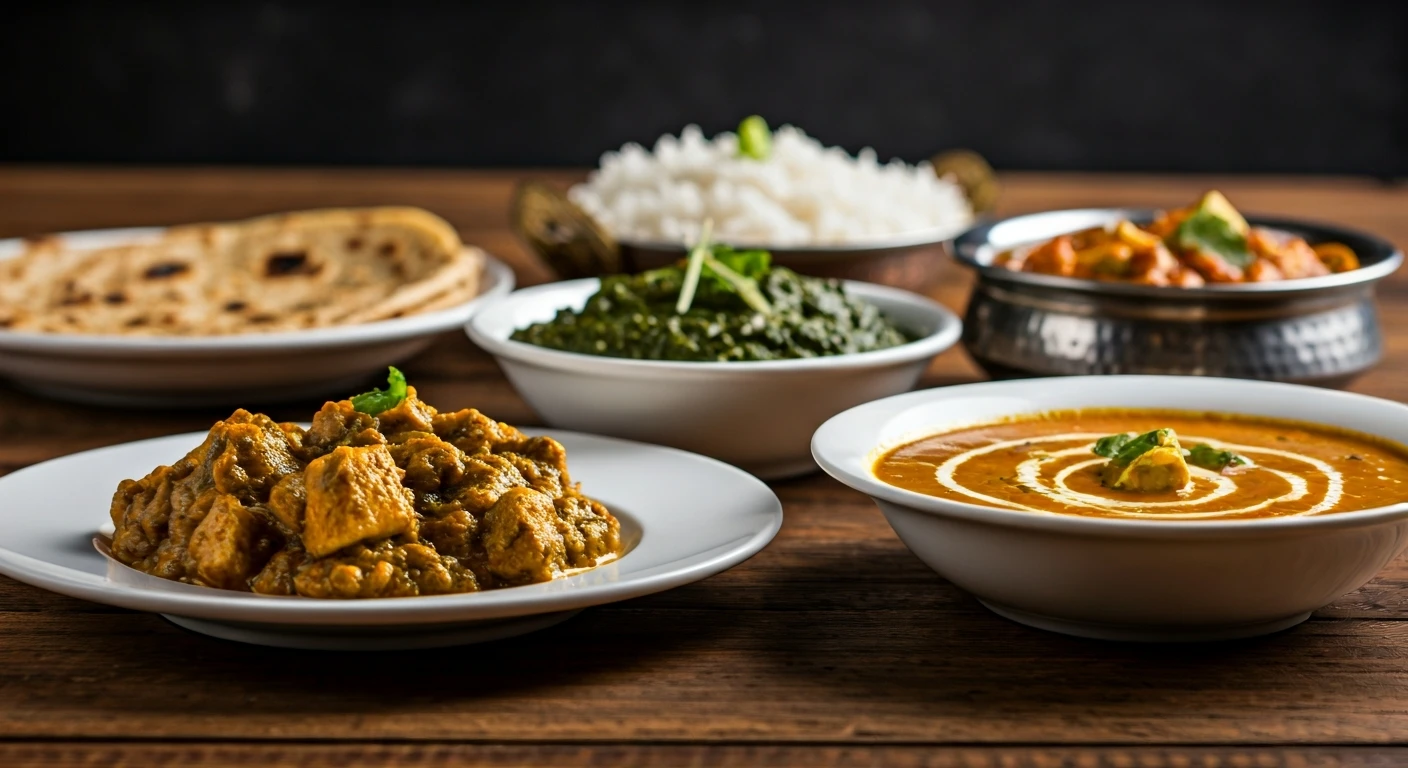
In specific scenarios, white rice can emerge as a more advantageous choice over whole wheat roti. Individuals grappling with gastrointestinal conditions like Irritable Bowel Syndrome (IBS), Polycystic Ovary Syndrome (PCOS), frequent bloating, or gluten sensitivities may find that rice is far kinder to their digestive system. Its lighter nature means it's less likely to aggravate an already sensitive gut. When rice is thoughtfully paired with nutrient-dense foods such as lentils (dal), vegetables, or yogurt (curd), it can create a complete and balanced meal that nourishes without overwhelming the digestive tract. Furthermore, incorporating healthy fats and lean proteins into a rice-based meal is crucial for stabilizing blood sugar levels, ensuring a more consistent energy release throughout the day.
Roti: The Fiber Advantage
Roti can be an excellent staple for individuals who possess a strong digestive capacity, prefer a gradual and sustained release of energy throughout their day, and are actively seeking to increase their dietary fiber intake. The inherent fiber content in roti is a significant asset, not only for supporting robust gut health and promoting regularity but also for enhancing satiety. This extended feeling of fullness can be particularly beneficial for those on a weight-loss journey, especially when consumed earlier in the day when digestive processes are typically at their peak efficiency. By keeping you satisfied for longer periods, roti can help manage appetite and reduce the temptation for less healthy food choices between meals.
Mindful Consumption Strategies
To effectively harness the benefits of both rice and roti for your digestive health and weight management objectives, adopting mindful eating practices is paramount. This involves maintaining sensible portion sizes for both grains, ensuring that every meal is a balanced combination of carbohydrates, ample vegetables, and adequate protein. It is also advisable to avoid consuming large meals, whether rice or roti-based, very late in the evening, as this can impede digestion. Cultivating a habit of chewing your food slowly and eating with full attention also significantly aids the digestive process. Ultimately, the emphasis should be on creating balanced, nourishing meals rather than fixating solely on the choice between rice and roti.