






The Essence of Sayur Lodeh
Sayur Lodeh is a cornerstone of Indonesian cuisine, celebrated for its comforting, savory broth infused with a symphony of aromatic spices. At its heart,
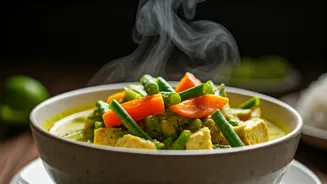
the dish is a delightful medley of vegetables, typically including long beans, eggplant, chayote, and sometimes jackfruit, all simmered in a rich coconut milk base. The magic lies in the spice paste, a fragrant concoction often featuring shallots, garlic, galangal, turmeric, and chilies, which provides the dish with its characteristic warmth and depth. This vibrant stew is more than just a meal; it's an experience that evokes feelings of home and tradition for many Indonesians. Its versatility allows for variations based on regional preferences and available ingredients, making each pot of Sayur Lodeh a unique culinary creation. The gentle sweetness from the coconut milk balances the earthy flavors of the vegetables and the subtle kick of the spices, resulting in a harmonious and deeply satisfying dish that pairs wonderfully with steamed rice and a side of crispy fried shallots or shrimp crackers.
Crafting the Flavor Base
The soul of Sayur Lodeh resides in its meticulously prepared spice paste and the nourishing coconut milk broth. To begin crafting this flavorful foundation, one typically starts by finely grinding or blending a combination of aromatics. Key ingredients for this paste often include shallots and garlic, providing a pungent savory note, alongside galangal and turmeric, which lend a distinct earthy fragrance and a beautiful golden hue. For a touch of heat, fresh chilies are usually incorporated, their intensity adjustable to personal preference. These ingredients are then sautéed until fragrant, unlocking their full aromatic potential. This sautéed paste is the first layer of flavor, setting the stage for the vegetables to absorb its complexity. Following this, coconut milk is introduced, forming the creamy, luscious liquid that defines Sayur Lodeh. The quality of the coconut milk significantly impacts the final taste, with freshly squeezed milk offering a superior richness. Sometimes, a thinner coconut milk, or even water with a bit of tamarind for a slight tang, might be used in conjunction with the thicker cream for a more nuanced broth. This careful building of the flavor base ensures that every spoonful of Sayur Lodeh is a delightful exploration of Indonesian tastes.
Vegetable Medley and Cooking
Once the aromatic spice paste and coconut milk base are established, the focus shifts to incorporating the star ingredients: the vegetables. A typical Sayur Lodeh ensemble might feature a vibrant array of produce, such as crisp long beans, tender cubes of eggplant, mild chayote squash, and sometimes pieces of young jackfruit for a meaty texture. The selection of vegetables can be quite flexible, adapting to seasonal availability and individual preferences, but a good mix ensures a delightful contrast in textures and flavors. These vegetables are introduced into the simmering broth in stages, considering their cooking times. Harder vegetables like long beans and chayote are usually added first to allow them to soften adequately, while more delicate ingredients like eggplant are added later to prevent them from becoming mushy. The stew is then gently simmered, allowing the vegetables to absorb the rich, spiced coconut broth and meld their flavors together. During this cooking process, it's crucial to maintain a gentle heat to prevent the coconut milk from curdling, ensuring a smooth and creamy consistency. The final dish should have vegetables that are tender yet retain a slight bite, swimming in a fragrant, richly flavored broth that is both comforting and deeply satisfying. This careful orchestration of vegetable preparation and cooking is key to achieving an authentic and delicious Sayur Lodeh.