



Beyond LPG: Alternative Cooking Fuels
When reliance on traditional LPG becomes uncertain, several viable alternatives can ensure continuous cooking and heating. Piped Natural Gas (PNG) offers
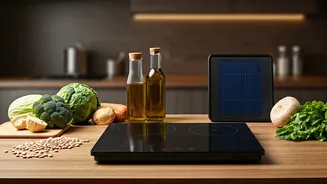
a continuous, clean, and often more cost-effective solution once installed, eliminating the hassle of cylinder refills and deliveries. For quick and efficient heating, electric cooktops, compatible with various cookware types like aluminum, steel, and clay, are a practical choice, especially during periods of LPG price volatility. Induction stoves, leveraging electromagnetic technology for rapid cooking, are highly energy-efficient and well-suited for Indian culinary practices, though they necessitate ferromagnetic cookware. For smaller tasks or faster meal preparation, air fryers and microwave ovens serve as excellent companions; air fryers facilitate frying, roasting, grilling, and baking with minimal oil, while microwaves are perfect for reheating, steaming, and swift cooking. Looking towards sustainability, solar cookers harness sunlight for fuel-free cooking, dependent on clear weather, and biogas plants transform household organic waste into a renewable cooking gas, increasingly adopted in rural and semi-urban areas. These diverse options provide flexibility and resilience in the face of LPG supply challenges, ensuring meals can still be prepared efficiently and effectively.
No-Cook & Quick Meal Ideas
During times of cooking fuel scarcity, embracing no-cook or minimal-cook meal options becomes a necessity and a delightful culinary adventure. Refreshing salads and vibrant chaats can be prepared in minutes; think of a sprouted moong chaat with a zesty mix of onions, tomatoes, lemon juice, and chaat masala, or a flavorful peanut chaat tossed with vegetables and tangy tamarind chutney. Yogurt-based sides like raitas offer a cooling accompaniment to meals. A simple beetroot raita, combining grated raw beetroot with whisked curd, roasted cumin, and mint, or a classic cucumber raita with yogurt, black salt, and cumin, can elevate any simple meal. For quick carb-based options, lemon poha, made with soaked flattened rice, lemon juice, peanuts, and spices, is a speedy snack. Similarly, curd poha, blended with thick yogurt and basic seasonings, provides a filling and cooling meal. Don't forget the versatility of pickles and chutneys, like an instant amla pickle prepared with mashed raw amla, salt, chili powder, and mustard oil, or a zingy ginger-curry leaf chutney. For a sweet finish, date-nut laddus, made by blending pitted dates with nuts and seeds, or a refreshing fruit chaat, combining seasonal fruits with a hint of chaat masala or yogurt, offer quick and satisfying desserts.
Fuel-Saving Indian Classics
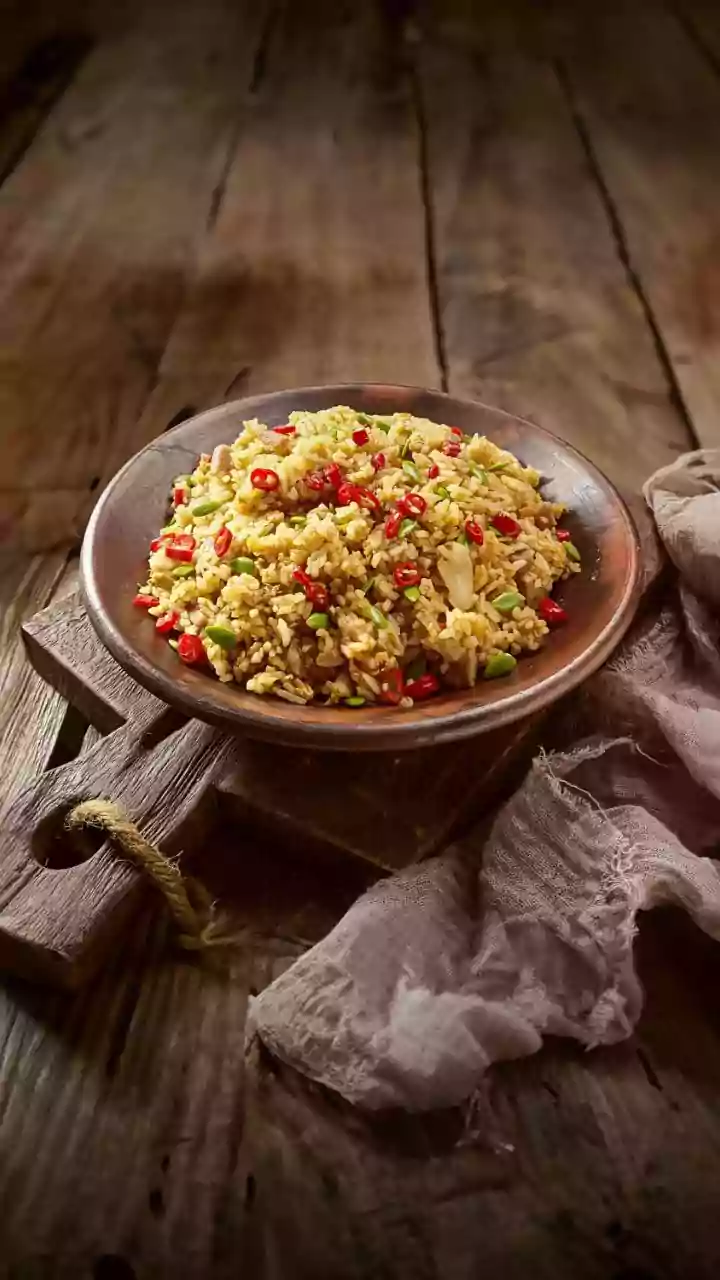
Many traditional Indian dishes are inherently designed for fuel efficiency, especially when prepared using modern techniques and appliances. Pressure cookers are invaluable for speeding up cooking times for staples like dal or dal tadka, reducing energy usage by completing the process in approximately 10–15 minutes compared to open-pot methods. Dishes like khichdi, a wholesome combination of rice and lentils, also cook rapidly in under 20 minutes under pressure. For flatbreads such as rotis, using heavy cast-iron tawas on a low flame allows for efficient heat retention; preparing and rolling dough in advance enables faster cooking of multiple rotis. Quick stir-fry sides like bhindi masala or aloo jeera can be prepared in just 5–7 minutes on high heat, while vegetable poriyal offers a nutritious side dish cooked with minimal oil. One-pot curries, such as rajma or chole, benefit immensely from pressure cooking, significantly shortening the simmering time. Similarly, vegetable pulao, with soaked rice and vegetables, cooks efficiently in about 10 minutes under pressure, making it an ideal fuel-saving meal option.
Optimizing Roti Preparation
Making rotis more energy-efficient involves smart dough preparation and heat management techniques, potentially reducing energy consumption by 20–30 percent. To enhance dough elasticity, kneading with warm water is recommended, followed by a resting period of 15–30 minutes to allow gluten to relax, making rolling significantly easier. When using a tawa or induction plate, preheating on medium-high heat for about 2–3 minutes is crucial, then reducing the heat to medium once cooking commences. Cast-iron tawas are particularly effective as they retain heat longer, expediting the cooking of rotis. The optimal cooking technique involves flipping each roti around three times, with each side cooking for approximately 30–40 seconds. For induction or electric plates, gently pressing the edges with a cloth can help the rotis puff up evenly. To maximize efficiency, roll out a batch of 4–6 rotis before starting to cook, and immediately store the cooked rotis in an insulated casserole to maintain their softness and warmth, ensuring a consistent and energy-conscious cooking process.
India's LPG Vulnerability Explained
India's substantial reliance on imported Liquefied Petroleum Gas (LPG) underscores its vulnerability to geopolitical events in West Asia. The nation consumes vast amounts of LPG, with domestic production meeting only a fraction of the demand. Consequently, approximately 85–90 percent of India's LPG requirement is fulfilled through imports, primarily sourced from Gulf countries like Saudi Arabia, Qatar, and the United Arab Emirates. The strategic significance of the Strait of Hormuz, a narrow shipping corridor between Iran and Oman, becomes evident as most LPG shipments destined for India traverse this route. Any instability or conflict in this critical waterway can lead to significant delays in tanker movements and, subsequently, disrupt fuel deliveries across Asia. This heavy dependence means that geopolitical tensions, such as the current conflict involving Iran, can have an immediate and direct impact on fuel availability and pricing within India, affecting millions of households and businesses that rely on LPG for daily cooking and heating.