
Embrace Omega-3 Power
Chronic inflammation, a persistent internal state, can be a silent precursor to various health challenges like joint pain, cardiovascular issues, and metabolic
disorders. Fortunately, our dietary choices offer a powerful avenue to manage and mitigate this bodily response. By intentionally incorporating foods rich in omega-3 fatty acids, you can significantly bolster your body's natural defense and healing capabilities, leading to sustained energy and overall wellness. Fatty fish, such as salmon, mackerel, and sardines, are prime sources of these beneficial fats, crucial for moderating the body's inflammatory signals and offering protection for your heart. For those following plant-based diets, an excellent alternative can be found in ground flaxseeds, chia seeds, and walnuts, which also deliver substantial anti-inflammatory benefits and support long-term health through their nutrient profile.
Color Your Plate
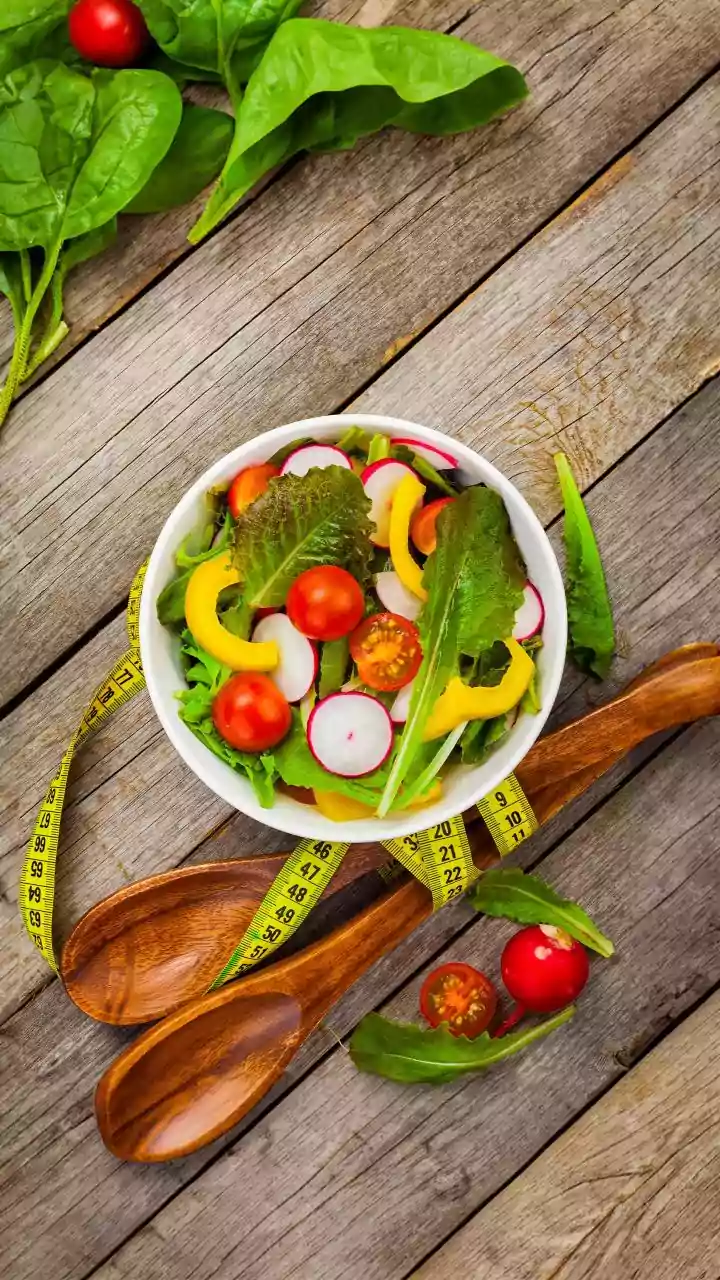
Filling your meals with a vibrant array of fruits and vegetables is a cornerstone of an anti-inflammatory diet. These naturally colourful foods are packed with antioxidants, essential vitamins, and minerals that actively combat oxidative stress, a major contributor to inflammation. Prioritize produce like deep-hued berries, nutrient-dense leafy greens (think spinach and kale), juicy tomatoes, and cruciferous vegetables such as broccoli and cauliflower. Aiming to make half of your plate consist of these wholesome options at every meal ensures you're consistently delivering vital compounds that support cellular health and reduce inflammatory responses throughout your body, contributing to improved energy and overall vitality.
Whole Grains for Balance
When it comes to carbohydrates, making the switch from refined grains to whole grains can have a profound impact on managing inflammation. Refined carbohydrates, commonly found in white bread, pastries, and many sugary treats, are known to cause rapid spikes in blood sugar levels, which can, in turn, trigger and exacerbate inflammatory processes in the body. Conversely, whole grains, including oats, quinoa, brown rice, and whole wheat products, are rich in dietary fiber and essential nutrients. These components work synergistically to promote more stable blood sugar levels, preventing drastic fluctuations and thereby helping to lower inflammatory markers, leading to a more balanced and sustained energy release throughout the day.
Healthy Fats for Heart
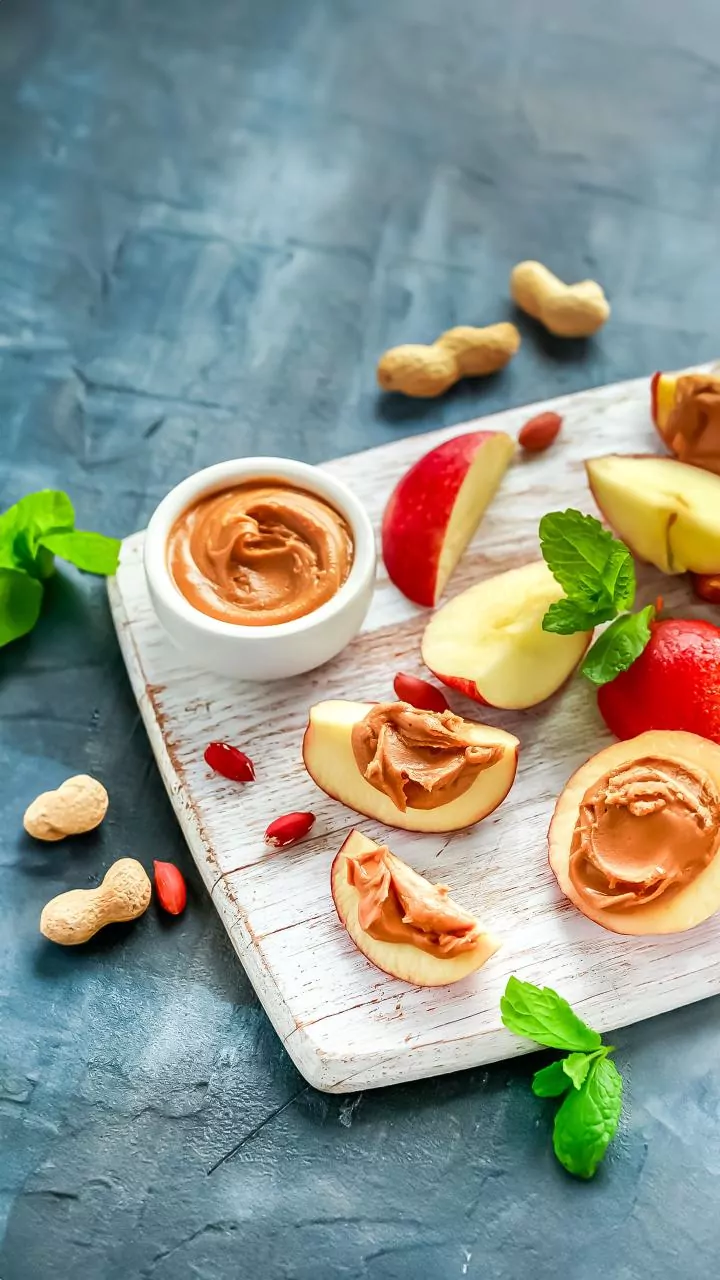
It's crucial to recognize that not all fats are detrimental to health; in fact, certain types of fats are vital for combating inflammation and supporting cardiovascular well-being. Monounsaturated fats, abundantly found in ingredients like extra virgin olive oil, creamy avocados, and a variety of nuts, play a significant role in reducing inflammatory responses within the body. Incorporating these healthy fats into your daily meals can significantly benefit heart health. Consider swapping butter or margarine for a drizzle of extra virgin olive oil when preparing your meals, and opt for a handful of almonds or pistachios as a nutritious snack instead of processed, fried alternatives. This simple substitution strategy helps increase your intake of beneficial fats.
Spice Up Your Meals
Many common herbs and spices possess remarkable natural anti-inflammatory properties, offering a flavourful way to boost your health. Integrating ingredients like turmeric, ginger, garlic, and cinnamon into your cooking can provide significant benefits. Turmeric, in particular, is renowned for its active compound, curcumin, which has been extensively studied for its potent anti-inflammatory effects. By liberally adding these aromatic additions to your curries, soups, marinades, and even beverages, you can harness their medicinal qualities, contributing to a more robust defense against chronic inflammation and enhancing your body's natural healing processes with every bite and sip.
Minimize Processed Foods
Highly processed foods, particularly those laden with trans fats, refined oils, and excessive added sugars, are significant contributors to systemic inflammation and should be consumed sparingly. Items commonly found in fast-food establishments, pre-packaged snacks, and anything deep-fried often fall into this category. These ingredients can disrupt your body's delicate balance and worsen inflammatory conditions. By consciously limiting your intake of these products and opting instead for fresh, whole foods prepared in your own kitchen, you significantly reduce your exposure to inflammatory triggers and support a healthier internal environment. Home-cooked meals prioritize nutrient density and avoid harmful additives.
Hydration for Health
Maintaining adequate hydration is a fundamental yet often overlooked aspect of managing inflammation and supporting overall bodily function. Dehydration can actually exacerbate inflammatory responses, making it harder for your body to function optimally. Ensuring you drink plenty of plain water throughout the day is essential for flushing out toxins and facilitating critical cellular processes. Furthermore, herbal teas, such as soothing chamomile or antioxidant-rich green tea, offer an additional layer of benefit. These beverages not only contribute to your fluid intake but also provide beneficial compounds that can help reduce inflammation and promote a sense of calm and relaxation, further aiding in bodily recovery.
Moderate Alcohol & Sugar
Excessive consumption of alcohol and sugar-laden beverages can be detrimental, significantly contributing to inflammation and placing undue stress on vital organs like the liver and impacting metabolic health. It's advisable to consume alcohol in moderation, if at all, and to be mindful of hidden sugars in everyday drinks. Replacing sodas, energy drinks, and overly sweetened juices with water, natural fruit-infused water, or unsweetened herbal teas can drastically reduce your inflammatory load. This shift helps your body manage its systems more efficiently, reducing the burden of processing harmful substances and promoting better overall health.
Lean Protein Choices
Protein is an indispensable nutrient for bodily repair and recovery, but the type of protein consumed plays a crucial role in managing inflammation. Prioritizing lean protein sources is key to obtaining essential amino acids without introducing excessive saturated fats, which can potentially heighten inflammatory responses. Excellent choices include skinless poultry, various legumes such as beans and lentils, and tofu. These options provide the building blocks your body needs for regeneration without the inflammatory baggage often associated with red or processed meats. Incorporating these lean proteins into your diet supports tissue repair while keeping inflammation in check.
Mindful Eating Habits
Even when consuming nutrient-dense, anti-inflammatory foods, practicing balanced eating and portion control remains paramount. Overconsumption, regardless of food quality, can overburden the digestive system and contribute to weight gain, a condition strongly linked with chronic inflammation. Cultivating mindful eating habits involves paying close attention to your body's natural hunger and fullness cues, savoring each meal, and striving for appropriate, balanced portion sizes. This conscious approach ensures that you nourish your body effectively without placing unnecessary strain on its systems, fostering a healthier relationship with food and supporting overall wellness.