




What Defines Complete Protein?
Proteins are fundamental to nearly every bodily function, from building muscle to supporting metabolism and maintaining healthy skin, hair, and nails.
While many foods offer protein, not all are created equal in terms of their amino acid composition. This is where the concept of a 'complete protein' becomes crucial. A complete protein is defined by its ability to provide all nine essential amino acids that our bodies cannot produce on their own. These nine amino acids—histidine, isoleucine, leucine, lysine, methionine, phenylalanine, threonine, tryptophan, and valine—are the indispensable building blocks our bodies require for critical processes like muscle protein synthesis, tissue repair, immune system function, and the production of vital neurotransmitters. Without an adequate supply from our diet, these essential functions can be compromised. Understanding which foods offer this complete profile helps in making smarter dietary choices to support overall wellness and robust physiological performance.
Complete vs. Incomplete Sources
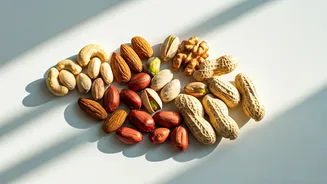
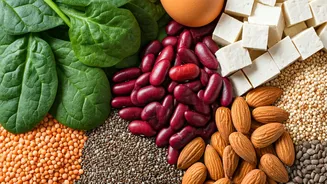
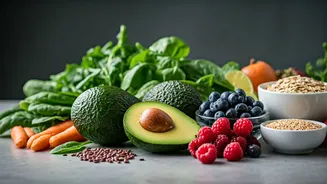
The distinction between complete and incomplete proteins lies in their amino acid profiles. Complete proteins, found in sources like eggs, fish, beef, poultry, dairy, soy products, and quinoa, supply all nine essential amino acids in sufficient quantities. These are often considered higher-quality proteins because they can independently meet your body's amino acid requirements and are generally highly bioavailable. In contrast, incomplete proteins, commonly found in plant-based foods such as beans, lentils, rice, oats, nuts, seeds, and many vegetables, are missing one or more essential amino acids or contain them in relatively low amounts. This doesn't diminish their nutritional value; many incomplete proteins are rich in fiber, vitamins, minerals, and antioxidants. The key takeaway is that while complete proteins offer a full amino acid package, a varied diet over the course of a day allows the body to assemble the necessary amino acids from different incomplete sources, negating the need for strict protein combining at every single meal.
Diverse Complete Protein Foods
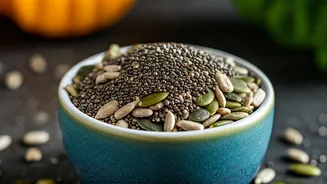
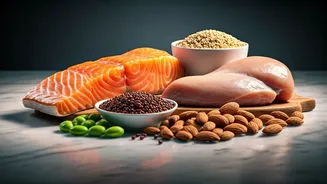
Incorporating complete proteins into your diet can be achieved through a wide array of delicious and versatile food options, catering to all dietary preferences. Animal-based complete proteins include staples like eggs, recognized for their high digestibility and balanced amino acid profile. Fish, particularly fatty varieties like salmon and sardines, offer complete protein along with beneficial omega-3 fatty acids. Poultry such as chicken and turkey, red meats like beef and lamb, and dairy products like Greek yogurt, cottage cheese, milk, and kefir are also excellent sources. For those favoring plant-based options, several foods naturally provide all essential amino acids. Soy products, including tofu, tempeh, and edamame, are versatile and protein-rich. Quinoa stands out as a pseudo-grain offering complete protein alongside fiber and magnesium. Buckwheat, technically a seed, is another nutrient-dense plant-based complete protein. Chia seeds, hemp seeds, amaranth, nutritional yeast, and spirulina further expand the plant-based complete protein repertoire. These diverse sources ensure that whether you consume animal products or follow a plant-forward diet, you can efficiently meet your essential amino acid needs.
Benefits of Complete Proteins
Consuming adequate complete proteins offers a multitude of benefits that extend beyond simply meeting daily protein targets. They are crucial for supporting robust muscle growth and repair, with leucine, an essential amino acid abundant in complete proteins, acting as a key trigger for muscle protein synthesis, aiding recovery after exercise and maintaining lean mass as we age. Complete proteins can also enhance satiety, helping to manage appetite and reduce overeating by influencing satiety-related pathways and hormones. Their role in promoting healthy metabolic function is significant, as amino acids are vital for enzymes, hormones, and metabolic reactions, and muscle tissue aids in glucose handling. Furthermore, complete proteins bolster immune function by providing the building blocks for antibodies and immune cells. They are essential for healthy hair, skin, and nails, supplying the raw materials like keratin and collagen. Additionally, complete proteins significantly aid in recovery and performance from physical activity by providing the necessary amino acids for repair and adaptation. Finally, they simplify meeting amino acid needs and are fundamental for hormone and enzyme production, underpinning numerous biological processes.
Strategic Dietary Integration
To effectively integrate complete proteins into your daily eating habits, strategic planning can make a significant difference. A simple approach is to center your meals around a primary complete protein source, such as building a breakfast with eggs and vegetables, a lunch with salmon and quinoa, or a dinner with chicken and beans. Prioritizing complete proteins at breakfast can combat common underconsumption, with options like Greek yogurt bowls or tofu scrambles. Snacks are also excellent opportunities to boost protein intake; consider hard-boiled eggs, cottage cheese, or edamame. For those who don't consume animal products, combining plant-based incomplete proteins, like rice and beans or hummus and pita, is a valuable strategy to ensure a full spectrum of essential amino acids throughout the day. Understanding your general protein target, which may range from 1.2 to 1.6 grams per kilogram of body weight for healthy adults (with higher needs for active individuals, athletes, or older adults), provides a helpful guideline. For instance, a 150-pound individual might aim for 105 to 150 grams daily. Ultimately, consistency and variety across meals and days are more critical than achieving a perfect combination at every single meal.