






The Genesis of Goshuin Collecting
Initially drawn to their aesthetic beauty, the author's appreciation for goshuin, ornate calligraphy and stamps from Japanese temples and shrines, deepened
significantly during travels beyond Kyoto's main tourist routes. The serene environments of these sacred sites, filled with the sounds of chanting monks, pilgrims' prayers, and the meticulous care of gardens, provided a comforting solace, mitigating the isolation of being in a foreign land. This personal connection evolved, transforming the collection of goshuin into a gateway to understanding Japanese religion, history, and culture. Each goshuin received from places like Hozoji Temple, featuring art by the Edo-era painter Ito Jakuchu, became a tangible link to these enriching experiences and a testament to the spiritual and historical narratives embedded within these locations. The author realized that these small treasures were far more than just souvenirs; they were keys to unlocking deeper cultural insights and personal peace.
Pop Culture to Preservation
For many, Japan's vibrant pop culture, particularly manga and anime, served as an initial introduction to the country, often inspiring exploration beyond the typical tourist paths. This approach offers a more authentic experience and actively supports heritage preservation. Representatives from temples, such as Byodoin Temple in Uji, explain that the donations accompanying goshuin are vital for maintaining their buildings, gardens, and overall operations, directly contributing to the upkeep of cultural assets. This connection between popular interest and tangible support highlights how modern engagement can benefit ancient traditions. The sharing of goshuin collections on social media, with many featuring seasonal motifs like cherry blossoms, not only spreads awareness but also contributes to cultural preservation. As historians suggest, even a unique stamp from a remote shrine, if lost due to unforeseen events like earthquakes, could represent a permanent loss of cultural heritage. Therefore, the act of collecting and sharing these items plays a role in safeguarding these delicate legacies for future generations.
More Than Just Stamps
Priests, like Toshimichi Sasaki from Awata Shrine in Kyoto, express gratitude when visitors are drawn to collect goshuin, seeing it as an opportunity for people to engage with the shrine. Regardless of the initial motivation, be it interest in history, cultural figures, or even contemporary works, the hope is that visitors will experience something meaningful during their visit. However, amidst the enthusiasm for collecting unique designs, the fundamental purpose of goshuin can sometimes be overlooked. Officials from Byodoin Temple emphasize that while the growing popularity is heartening for fostering interest in temples and shrines, it's crucial to remember they are not mere collectibles. Goshuin historically serve as formal documentation of a pilgrimage, establishing a spiritual connection with the enshrined deities or the temple itself. Therefore, visitors are encouraged to approach these sacred sites with respect, first paying homage, taking time to appreciate the surroundings, learning about the historical and religious significance, and finally receiving their goshuin with humility. This thoughtful approach honors the deeper meaning behind the practice.
The Goshuin Collector's Obsession
Japan, it's often said, is the perfect place for an obsession, and for the author, collecting goshuin became just that. Identifying and acquiring these unique seals could be a challenging treasure hunt, involving hours spent researching online, poring over social media, and browsing guidebooks. This completist drive led to an ambitious, albeit financially taxing, mission to gather as many distinctive goshuin as possible. The author recounts walking for extended periods to save on transportation and subsisting on instant ramen to afford these cherished mementos. The financial outlay for goshuin alone amounted to approximately 50,000 Indian Rupees, a substantial sum that felt immense at the time, especially when considering the additional costs of travel, food, and entrance fees. This fervent pursuit transformed a modest savings of half a lakh rupees into a significant investment in these deeply personal and culturally rich souvenirs, highlighting the profound personal value derived from the collection process.
Personal Connection and Legacy
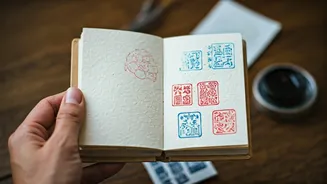
The author's goshuincho, a book filled with these collected seals, serves as a powerful 'teleportation device,' instantly recalling vivid sensory memories of Japan: the sound of autumn leaves underfoot, the taste of convenience store onigiri, and the atmosphere of quiet cafes. These collections represent a period of intense curiosity and a desire to learn, where even long walks were a daily norm and a significant sum of money felt boundless. A friend's humorous observation that winning the lottery would likely manifest as frequent trips to Japan for more goshuin aptly captures this passion. Goshuin hold diverse meanings for those who issue and collect them, functioning as proof of faith, a record of journeys, good luck charms, or even heirlooms for future generations. For the author, the goshuincho is a tangible embodiment of a formative time, a reminder of youthful eagerness and the profound experiences that shaped their perspective on travel and culture.