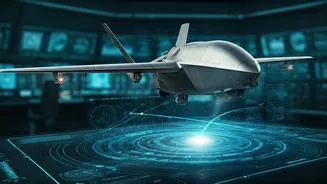







Strategic Technological Leap
The aftermath of Operation Sindoor has ushered in a significant evolution within India's defense sector. This period has been marked by a pronounced acceleration
in the adoption and development of cutting-edge military technologies. We're witnessing a fundamental change in how warfare is conceptualized and executed, moving towards a more integrated and technologically advanced approach. The focus is on achieving greater precision and efficiency on the battlefield, adapting to the complexities of modern conflicts. This strategic pivot is not just about acquiring new equipment; it signifies a deeper integration of various technological domains to create a more robust and responsive defense posture. The lessons learned and the impetus provided by Operation Sindoor are clearly reshaping India's military thinking for the future.
Synergy in System Warfare
Operation Sindoor has been instrumental in fostering the concept of 'system of systems' warfare, a paradigm shift in military operations. This involves seamlessly integrating diverse technological assets and platforms to function as a cohesive whole, amplifying their individual capabilities. Think of it as an intricate network where drones, advanced weaponry, and communication systems work in perfect concert. This interconnected approach allows for enhanced situational awareness, faster decision-making, and more agile responses to evolving threats. Furthermore, the emphasis on rapid deployment means these integrated systems can be mobilized quickly to critical areas, providing a decisive advantage. The innovation ecosystem, particularly the burgeoning startup scene, is playing a crucial role in developing and supplying these sophisticated components, driving forward this new era of networked warfare.
Indigenous Innovations Drive
A cornerstone of the post-Operation Sindoor transformation is the emphatic push towards indigenous defense technology. This focus on self-reliance is yielding impressive results, with the development and deployment of advanced Indian-made systems. Weapons like the ALS 50, the Akash missile system, and the formidable BrahMos supersonic cruise missile are now at the forefront, showcasing the nation's growing prowess in defense manufacturing. This indigenous capability not only strengthens national security but also reduces reliance on foreign suppliers, offering greater strategic autonomy. The accelerated pace of defense procurement and the increased integration of Artificial Intelligence into battlefield management are further testament to this drive. India is actively positioning itself to excel in future conflicts that will undoubtedly be more network-centric and technology-dependent.