






What is DDH?
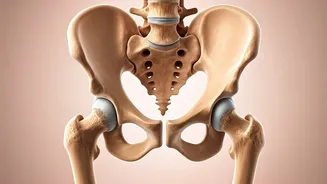
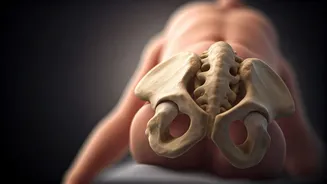
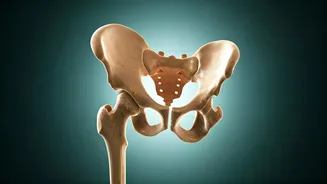
Developmental Dysplasia of the Hip (DDH) is a medical condition where a child's hip joint doesn't form correctly from the outset. In a healthy hip, the rounded
top of the thigh bone (the ball) fits snugly into the pelvic bone's cup-shaped socket, allowing for smooth movement. However, with DDH, this socket is unusually shallow, and the ball may not sit properly within it, leading to an unstable joint. This instability can range from a mild looseness to a complete dislocation where the ball is forced out of the socket. This condition can be present from birth or develop over the initial months of an infant's life as the joint continues to mature.
Why DDH Occurs
The precise reasons for DDH are not fully understood, but several factors are known to increase a baby's susceptibility. A family history of hip problems is a significant indicator, suggesting a genetic predisposition. First-born infants and female babies are also observed to be at higher risk, with hormonal influences potentially playing a role in girls. The baby's position in the womb, particularly if they are in a breech presentation (feet or buttocks first), can also contribute to the risk. Additionally, a practice that may seem comforting, such as tightly swaddling a baby, can inadvertently hinder the natural development of the hip joint by restricting its movement, thus potentially exacerbating or contributing to DDH.
Spotting DDH Early
Detecting DDH in its early stages is vital, as it can sometimes be subtle and missed during the newborn period. Parents should remain vigilant for specific physical signs that might indicate an issue with their child's hip development. These can include noticing that one leg appears shorter than the other, or observing that the skin folds on the thighs are not symmetrical. Another key indicator is a restricted range of motion in one of the legs compared to the other. Once a child begins to walk, a noticeable limp can also be a significant warning sign. Promptly consulting a pediatrician if any of these symptoms are observed is strongly recommended for timely evaluation and diagnosis.
Prevention and Treatment
While not all cases of DDH can be entirely prevented, certain practices can help reduce the risk and support healthy hip development. It's advisable to avoid wrapping infants too tightly, allowing their hips to move freely in a natural position. Carrying babies in an 'M-carry' position or holding them on the hip can also promote proper hip alignment. Regular pediatric check-ups are essential for early detection. The good news is that DDH is highly treatable, especially when identified early. For infants under six months, a soft brace or harness is often effective in holding the hip in the correct position. For older babies, treatment might involve more complex procedures like closed or open reduction to reposition the hip, often followed by casting. In more severe or persistent cases, surgical intervention may be necessary. Timely intervention is key to avoiding potential long-term complications and ensuring a child's healthy development.