





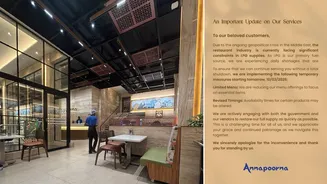

LPG Crisis Grips City
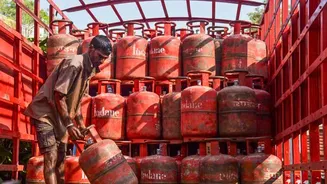
A severe disruption in the supply of commercial LPG cylinders has plunged Bengaluru's hospitality sector into disarray. Hotels and restaurants, already
grappling with escalating energy costs exacerbated by geopolitical tensions in West Asia, are now staring at operational paralysis. The Bangalore Hotels Association has highlighted that many establishments are forced to make drastic decisions, including significantly curtailing their menu items that are gas-intensive, in a bid to conserve dwindling fuel stocks. The situation has reached a critical point where some hotels have stated they will be compelled to cease operations entirely once their existing gas supplies are exhausted. This development casts a long shadow over the city's culinary landscape, with owners expressing a desperate hope for a swift resolution to prevent a complete shutdown and the subsequent impact on daily patrons, students, and essential service workers who rely on these establishments for sustenance.
Menu Items Reduced
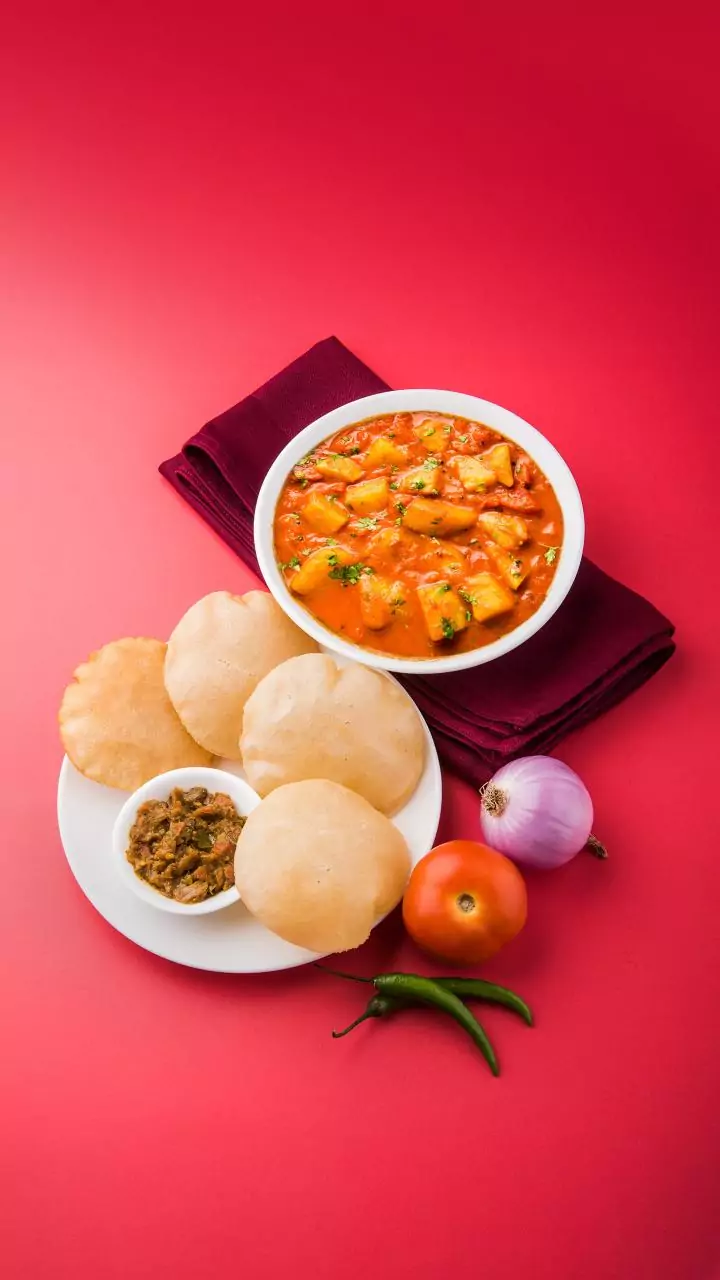
In response to the ongoing commercial LPG supply vacuum, numerous restaurants across Bengaluru have implemented stringent measures to manage their limited fuel resources. A common tactic involves removing specific dishes from their menus, particularly those requiring extensive cooking times or multiple gas-intensive processes. For instance, items like poori, which demands significant oil and gas for preparation, have been either discontinued or significantly rationed. This strategic reduction aims to extend the usability of the remaining LPG cylinders, with some establishments attempting to make five cylinders last for four days, a stark contrast to their usual daily consumption of three. This conservation effort, while necessary for survival, directly impacts the variety of culinary choices available to diners, transforming a once-diverse dining scene into one of limited offerings as businesses fight to stay afloat.
Closure Fears Mount
The scarcity of commercial cooking gas has escalated to a point where many hoteliers in Bengaluru are contemplating complete business closures. According to Chandrashekhar Hebbar, a prominent hotelier, the situation has become dire, with the current conservation efforts only providing a temporary reprieve, likely sustainable for just a day or two. Beyond this short window, maintaining operations becomes untenable without a consistent gas supply. This impending shutdown threatens not only the businesses themselves but also has broader economic implications. Hebbar specifically pointed out the significant impact on catering services, especially during wedding seasons when numerous orders have already been placed and cannot be easily fulfilled. He issued an urgent plea for immediate government intervention to address the crisis and ensure the continuity of gas supply to the hotel industry, emphasizing its role as an essential service.
Wider Impact on Services
The cessation of commercial LPG cylinder supply, which began on March 9th, extends its repercussions beyond individual restaurants to affect a wider segment of society. The Bangalore Hotels Association has voiced concerns that the hotel industry is integral to the daily lives of many, including common citizens, students, and medical professionals who depend on these eateries for their meals. The current supply halt disrupts this essential service, creating hardship for those who rely on accessible and affordable food options. Furthermore, the hotel industry itself faces substantial difficulties during this period, impacting employment and ancillary services. The association also revealed that oil companies had previously assured an uninterrupted supply for a period of 70 days, making this sudden stoppage a profound setback and a 'big blow' to the sector's stability and planning.
Tamil Nadu Follows Suit
The commercial LPG cylinder shortage is not an isolated issue confined to Bengaluru; restaurants across Tamil Nadu are also facing a grim outlook, with existing stocks projected to last only one to two days. Similar to their counterparts in Bengaluru, hoteliers in Tamil Nadu have been compelled to reduce the number of food items offered to conserve LPG. A chairman of a popular restaurant chain described the situation as akin to a 'second COVID-19-enforced lockdown,' highlighting the severity of the supply crisis. He elaborated that continuous LPG supply is crucial for staples like dosa, tea, and coffee, and the reduction in items is a direct consequence of rationing. The chairman warned that without immediate supply restoration, many establishments will be forced to shut down operations. This mirrors the sentiment expressed by Sri Ananda's, a Chennai-based hotel that has already modified its menu, ceasing preparation of items like fried rice, side dishes, and appam due to their high LPG consumption.