



Salty Snacks' Hidden Dangers
The common afternoon energy slump often leads us to reach for quick, salty fixes like chips or pretzels. While an occasional indulgence is harmless, making
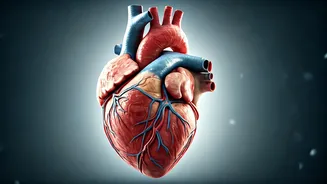
these snacks a regular habit can lead to a silent but significant rise in blood pressure. This elevated pressure is a known precursor to serious health issues, including heart disease and stroke. Dietitians explain that the high salt content in many processed snacks doesn't just satisfy a craving; it triggers biological responses that can negatively impact your cardiovascular system over time. Understanding these mechanisms is key to making informed choices for long-term well-being.
Overconsumption Loop
Many commercially produced salty snacks are meticulously engineered to be 'hyperpalatable,' meaning they possess an intensely appealing taste that encourages overeating. This heightened palatability, driven by ingredients like salt and sugar, activates the brain's reward pathways, making it difficult to stop at just a few. Beyond the immediate sensory pleasure, these snacks are frequently laden with calories. As registered dietitians point out, consistently consuming more calories than your body needs can lead to weight gain. This excess weight itself is a well-established contributing factor to higher blood pressure, creating a compounding effect on cardiovascular health.
Vascular Changes Explained
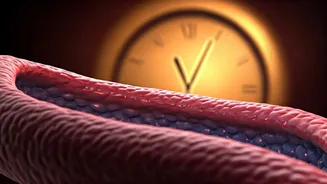
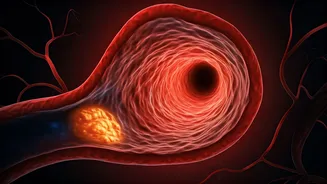
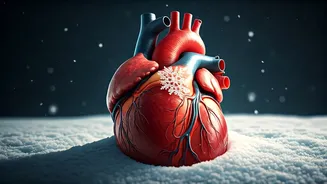
The body's response to a consistent high-salt diet involves more than just temporary fluid shifts; it can induce lasting physical alterations in blood vessels. Over prolonged periods, excessive salt intake can cause arteries to become less flexible and more rigid. This loss of elasticity hinders the natural ability of blood vessels to relax and expand, which is crucial for maintaining healthy blood flow and pressure. Stiffer arteries not only contribute to elevated blood pressure but also become more susceptible to the accumulation of plaque, significantly increasing the risk of heart attacks and strokes. This gradual deterioration of vascular health is a critical consequence of habitual high-sodium consumption.
Fluid Balance Disruption
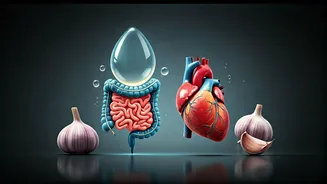
Our bodies possess intricate systems to regulate fluid levels, blood pressure, and blood volume. Consuming excessive amounts of sodium disrupts these delicate homeostatic mechanisms. When sodium intake is high, the kidneys tend to retain more water in an effort to dilute the sodium concentration. This increased fluid retention directly translates to a larger blood volume circulating within the vascular system. Consequently, the increased volume exerts greater pressure against the artery walls, akin to increasing the water pressure in a garden hose. This chronic elevation in pressure can gradually damage blood vessels, paving the way for serious cardiovascular conditions.
Baroreceptor Resetting
Normally, specialized sensors within our arteries, known as baroreceptors, monitor blood pressure fluctuations and signal the brain to make necessary adjustments, such as relaxing blood vessels or prompting the kidneys to excrete excess fluid. However, when blood pressure is consistently elevated due to frequent high-sodium intake, these baroreceptors can become desensitized. They essentially 'reset' to a higher baseline, meaning they no longer respond as effectively to normal blood pressure signals. This blunted response can lead to blood vessels constricting more readily and the kidneys retaining more fluid, both of which contribute to persistently high blood pressure and increased cardiovascular risk over time.
Healthier Afternoon Choices
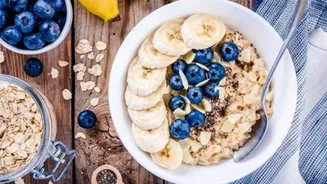
Navigating the afternoon slump without resorting to high-sodium snacks is achievable through a few mindful strategies. Firstly, it's essential to stay well-hydrated by drinking plenty of water, as dehydration can complicate blood pressure regulation. Secondly, managing caffeine intake is crucial; while moderate amounts are acceptable, excessive caffeine can cause temporary blood pressure spikes and disrupt sleep, indirectly affecting heart health. Lastly, incorporating regular physical activity, even short bursts like a brisk walk, can significantly benefit blood pressure. Choosing snacks rich in potassium, such as fruits, vegetables, or unsalted nuts, provides a healthy alternative that helps counterbalance sodium's effects and supports overall cardiovascular function.