



Why Damp Dusting Works
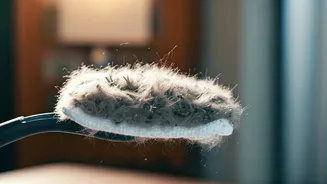
The traditional method of dry dusting, often using feather dusters or dry cloths, is surprisingly ineffective. Instead of capturing dust, these tools tend
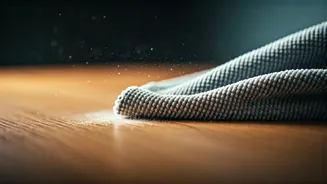
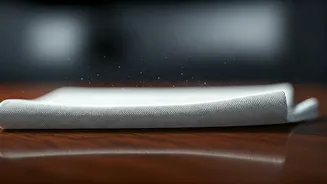
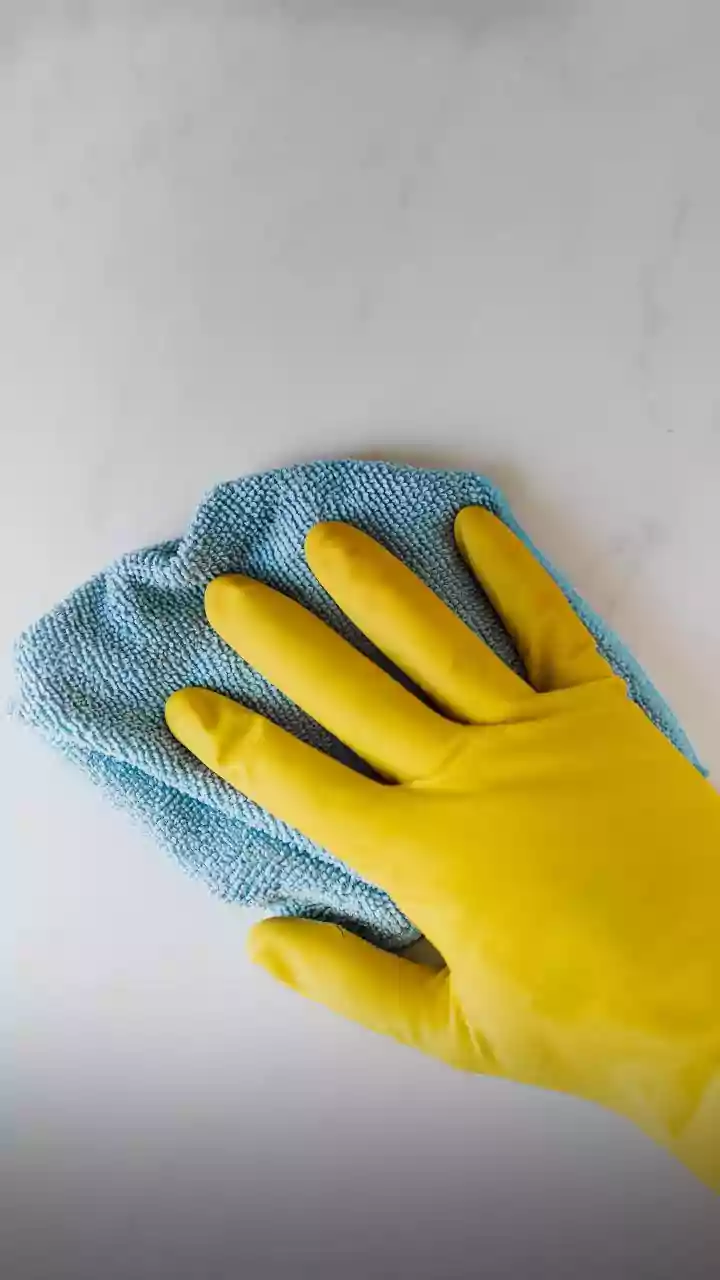
to agitate and spread fine particles into the air. This airborne dust is then easily inhaled or resettles on surfaces, perpetuating a cycle of perceived dirtiness. Many people experience this frustration, noticing dust settling almost immediately after they've finished cleaning. The clever solution lies in a technique known as damp dusting. By simply moistening your cleaning cloth, you dramatically alter its dust-capturing capabilities. The moisture provides a 'stickiness' that adheres to dust and allergens, effectively lifting them from surfaces rather than just scattering them. This method bypasses the need for any special adhesive products and relies solely on the physical properties of a slightly damp surface, which acts like a magnet for tiny particles, preventing them from becoming airborne.
The Science of Trapping Particles
Dry dusting methods are not only inefficient but can also contribute to poor indoor air quality. Research has indicated that dry dusting and certain sprays can significantly increase air pollution within a home. When dust is disturbed dry, it becomes suspended in the air, circulating and eventually settling elsewhere, leading to sneezing and potential respiratory irritation. A damp cloth, however, changes this dynamic. The moisture acts as a moderator for static electricity, a force that can repel fine dust particles when surfaces are dry due to friction. Instead of pushing dust away, the dampness allows the cloth to attract and hold onto particles. Scientific studies, accessible through platforms like PubMed, support the effectiveness of damp or electrostatic cloths in capturing allergens. By preventing dust from becoming airborne, this method directly contributes to a cleaner environment and improved respiratory health within living spaces, making it particularly beneficial for households with members sensitive to dust or pet dander. The dust fibres are held by the moisture, becoming heavier and less likely to escape the cloth.
Humidity and Static Balance
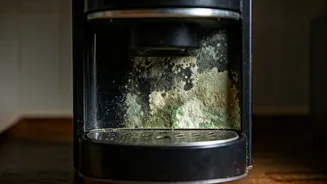
While moisture is key to effective damp dusting, the overall effectiveness is also influenced by ambient air conditions, particularly humidity. Scientific literature, such as papers published in the Journal of Electrostatics, explores the intricate relationship between air humidity and cleaning efficiency. The research suggests that while a slightly damp surface is excellent for trapping dust, excessively high humidity can cause dust particles to become heavier, making them more challenging to capture even with electrostatic tools. The optimal approach is to ensure your cloth is barely damp to the touch, not soaking wet, as an overly saturated cloth can leave streaks and potentially foster mold growth. This moderate dampness mimics the principles observed in studies on advanced dust capture technologies, which use nature-inspired textures and static forces to efficiently detach and trap particles. For the best results, always begin dusting from the highest surfaces and work downwards, ensuring any stray particles settle on uncleaned areas. A high-quality microfiber cloth is an excellent choice, as its natural fiber structure is designed to trap dust, and a light mist of water amplifies this ability.