






A GI Tag Awaits
The Odisha University of Agriculture and Technology (OUAT) has taken a significant step towards securing a Geographical Indication (GI) tag for the distinctive
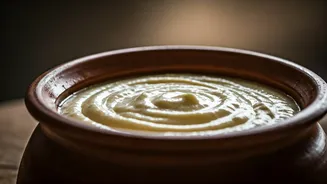
Manikapatna curd, a treasured product hailing from the Puri district of Odisha. This application highlights the traditional and artisanal methods employed in its creation, notably the use of organic bamboo baskets which impart a characteristic texture and flavour to the curd. OUAT scientists have meticulously documented the practices of over 200 traditional producers, a crucial step in substantiating the claim for this unique delicacy. The attainment of a GI tag would offer legal protection, safeguarding the product's name, its distinct preparation technique, and effectively preventing imitations, thereby elevating its market value and preserving its authenticity for future generations.
Chilika's Buffalo Bounty
The exceptional quality of Manikapatna curd is intrinsically linked to the rare Chilika breed of buffalo. These magnificent animals, formally recognized and protected by the ICAR-National Bureau of Animal Genetic Resources in 2012, are an integral part of the Chilika lake ecosystem. Their diet consists of the natural grasses and aquatic weeds abundant around the lake, a factor that contributes significantly to the richness and superior nutritional profile of their milk. Dayanidhi Mishra, a key OUAT scientist involved in the GI application process, emphasizes that this unique milk is the foundation of Manikapatna curd's unparalleled taste and quality, making it a true reflection of its native environment.
Traditional Bamboo Magic
The preparation of Manikapatna curd is a testament to an age-old, organic technique rooted in tradition. Fresh milk is poured into specially crafted bamboo baskets, where it begins to set. The curd solids naturally adhere to the porous surface of the basket, which is then left to dry for approximately 24 hours. This drying period is essential before the fermentation process commences, resulting in a remarkably thick curd with a flavor and consistency that sets it apart. Interestingly, the curd is often sold still encased within the very bamboo basket used for its preparation, offering consumers a complete traditional experience and a visually unique product.
Cultural and Historical Roots
Beyond its culinary appeal, Manikapatna curd is steeped in profound cultural and historical significance, with origins tracing back to the legendary Kanchi Abhijan, a tradition closely associated with the revered Shree Jagannath Temple. Folklore recounts a milkmaid named Manika Gauduni, who is believed to have offered this curd to Lord Jagannath and Lord Balabhadra. This historical connection adds a layer of spiritual and cultural depth to the delicacy, further solidifying its importance within the region and underscoring the value of preserving such traditional practices.
Journey to GI Recognition
The path to obtaining the GI tag for Manikapatna curd has been a rigorous and dedicated undertaking. OUAT Vice-Chancellor Pravat Kumar Roul highlighted the extensive efforts, spanning nearly seven months, which involved thorough documentation, identifying more than 200 local producers, and gathering irrefutable historical evidence of the curd's origin. A unique logo has also been designed to represent the product for the GI tag. Roul expressed strong confidence in securing the accreditation, emphasizing that this recognition will be instrumental in protecting the authenticity of Manikapatna curd and will provide significant economic benefits to the local producers, thereby helping to preserve this invaluable traditional product.