


Journey Transformation Explained
The much-anticipated Delhi-Dehradun Expressway has officially opened its gates, promising a monumental shift in how people travel between the national
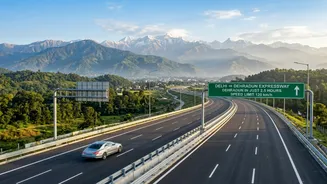
capital and the serene hills of Uttarakhand. Previously, a journey that would consume a considerable 5 to 6 hours, and often more due to traffic snarls, will now be accomplished in approximately 2.5 to 3 hours. This significant reduction is not just a matter of convenience; it represents a leap forward in infrastructure, designed to facilitate smoother intercity commutes, encourage weekend getaways, and bolster the logistics sector. The expressway, spanning about 210 kilometers, is meticulously engineered as an access-controlled corridor, ensuring that travelers can maintain high speeds without the interruptions typically associated with urban transit. This infrastructural upgrade is poised to redefine travel dynamics for millions, making destinations like Dehradun and nearby popular spots far more accessible from Delhi-NCR.
Route and Integration Insights
The strategic pathway of the Delhi-Dehradun Expressway commences from the bustling Akshardham area in Delhi, weaving its way through critical regions in Uttar Pradesh before culminating in Dehradun, Uttarakhand. Key towns and districts that lie along this vital artery include Baghpat, Shamli, and Saharanpur. A crucial aspect of its design is its seamless integration with existing national highways and urban transit networks. This intelligent connectivity ensures that drivers can transition onto the expressway smoothly and exit into their destinations without being bogged down by city traffic congestion. Furthermore, a significant segment of the expressway has been linked with the Eastern Peripheral Expressway, a move that considerably alleviates traffic pressure on the outskirts of Delhi, thereby enhancing the overall flow of vehicles in the greater National Capital Region.
Time Savings Impact
The most striking benefit of the newly operational Delhi-Dehradun Expressway is the dramatic reduction in travel time. Journeys that once spanned a lengthy 6 to 7 hours, frequently extended by unforeseen traffic holdups, will now take a swift 2.5 to 3 hours. This efficiency translates into tangible advantages across multiple domains. For the logistics industry, faster transit means improved supply chain management and reduced operational costs. For tourism, particularly for residents of Delhi-NCR eager for weekend escapes to the hills, the significantly shorter travel duration makes destinations like Mussoorie and Dehradun more appealing and achievable. The reduction in travel time also implies a decrease in fuel consumption, contributing to environmental benefits and making travel more economical for individuals. This enhancement is a game-changer for regional accessibility and economic activity.
Key Engineering Features
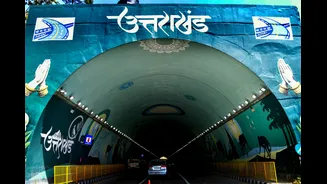
This modern expressway is replete with advanced engineering and thoughtful design elements. Its status as an access-controlled highway means entry and exit points are carefully managed, facilitating uninterrupted high-speed travel for users. A notable stretch within Delhi boasts an impressive 12 lanes, making it one of the widest urban expressway segments in the country. Environmental considerations have also been paramount, with the inclusion of Asia’s longest elevated wildlife corridor near the Rajaji National Park. This feature is specifically designed to safeguard the movement of wildlife, minimizing human-animal conflict. Additionally, the expressway incorporates elevated road sections and underpasses strategically placed to mitigate congestion and ensure the highest levels of safety for all road users. Complementing these physical structures are sophisticated smart traffic management systems, including extensive CCTV surveillance, rapid emergency response capabilities, and modern, clear signage to guide travelers efficiently.
Broader Regional Significance
The Delhi-Dehradun Expressway transcends its role as a mere commuter route; it represents a significant advancement in regional infrastructure. Its completion is set to substantially bolster connectivity across Northern India, fostering stronger economic ties between Delhi and Uttarakhand. The anticipated surge in tourism, driven by the ease of access, will undoubtedly provide a considerable boost to local economies in the hill state, supporting businesses and creating employment opportunities. By diverting traffic from existing, often congested routes, the expressway will also alleviate pressure on older roadways, leading to smoother traffic flow throughout the region. Crucially, the enhanced design, featuring modern safety measures and controlled access, is expected to improve road safety and overall travel efficiency, making journeys more predictable and less stressful for everyone.