



A Glimpse into History
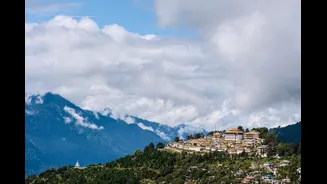
Nestled amidst the mist-laden hills and overlooking the serene Morshing Valley, Lhagyala Gompa is an ancient monastery located in Morshing village, West
Kameng district, Arunachal Pradesh. Situated approximately 80 kilometers from Bomdila, this venerable institution presents a harmonious fusion of spiritual solace and untamed natural splendor. Its origins trace back to the 7th century, founded by Kachen Lama, making it one of Arunachal Pradesh's oldest monastic establishments, predating the renowned Tawang Monastery by nearly a millennium. The name 'Lhagyala' itself signifies a vast collection of over a hundred grand idols, underscoring its historical role as a center for learning, worship, and the safeguarding of sacred artifacts. Over the centuries, it has profoundly influenced the socio-political and religious fabric of the surrounding valley communities. Aligning with the Gelug school of Vajrayana Buddhism, much like Tawang Monastery, Lhagyala Gompa maintained a distinct spiritual affiliation, historically linked to the Ganden Jangtse Monastery near Lhasa, differentiating it from Tawang's connection to Drepung Loseling Monastery. This unique lineage established Lhagyala Gompa as one of the three principal Buddhist lineages within the historical region of Monyul.
Spiritual Significance & Sacred Legends
Lhagyala Gompa is imbued with profound spiritual importance, recognized as the birthplace of Khandro (Dakini) Drowa Sangmo, a highly venerated tantric meditator believed to possess extraordinary spiritual abilities. Historically, she was the younger consort of King Kala Wangpo and mother to his two children. The elder queen, Duem Hacham, consumed by intense jealousy, orchestrated Drowa Sangmo's demise and later attempted to assassinate her children, Kintu Legpa and his sister. Fortunately, the assassins spared the children, though they were swept away by a river. This poignant narrative of Drowa Sangmo's life, marked by envy, betrayal, and eventual survival, is deeply ingrained in local folklore and popular belief. The story continues to be passed down through generations via a renowned opera and various folk traditions, transforming the monastery into not just a place of worship but a vibrant vessel of cultural memory. A sacred footprint, attributed to Dakini Drowa Sangmo, can still be observed near the site of the 1962 Battle of Lhagyala. Further enhancing the area's sanctity is a holy pond situated atop a hill close to her meditation sanctuary. For the indigenous communities who trace their lineage back to the 7th century, these hallowed sites are deeply revered and form an integral element of their spiritual identity.
Architecture Rooted in Tradition
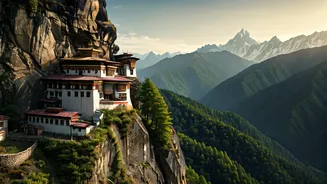
Despite its considerable age, Lhagyala Gompa has been remarkably well preserved. Its multi-tiered structure, constructed from stone and wood, exemplifies traditional Buddhist architecture influenced by Tibetan styles. Externally, the monastery presents a modest appearance, but its interior unfolds to reveal exquisitely carved statues, vibrantly colored murals, and a tranquil prayer hall that emanates a sense of profound peace. Ongoing restoration efforts have ensured the monastery's resilience against the demanding mountain climate, a testament to how enduring faith, when nurtured, can withstand the rigors of time. The architectural design harmoniously blends with its natural surroundings, creating a sacred space that feels both ancient and alive. The use of local materials in its construction further ties the structure to the land, reflecting a deep respect for the environment and traditional building techniques passed down through centuries of monastic practice.
A Repository of Rare Treasures
Living up to its name, which signifies a collection of numerous great icons, Lhagyala Gompa safeguards an invaluable assortment of ancient scrolls, manuscripts, and sacred artifacts. Many of these historical texts are believed to provide crucial insights into the region's political, theological, and cultural history, serving as a vital link to its past. Among the most significant relics are statues dating back to the 16th and 17th centuries. These include representations of revered figures such as Je Tsongkhapa and his disciples, Chenresig (Avalokiteshvara), and Hayagriva. The monastery also houses depictions of the nine Lhagyala Rinpoches who have provided spiritual leadership since its inception. These artifacts are not merely historical curiosities; they are sacred objects that continue to be venerated and are central to the monastery's ongoing religious practices and educational endeavors, offering a tangible connection to the lineage of spiritual masters.
Why Lhagyala Gompa is a Must Visit
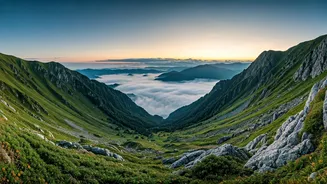
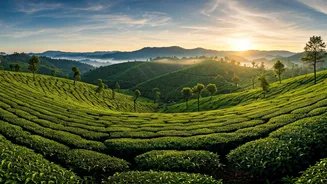
Perched at a significant altitude, Lhagyala Gompa offers unparalleled, breathtaking panoramas of the Morshing, Sanglem, and Domkho valleys sprawling below. With its deep historical roots, captivating sacred legends, enduring traditional architecture, and awe-inspiring natural environment, Lhagyala Gompa remains a treasured, albeit lesser-known, gem within Arunachal Pradesh. It stands as a unique destination where the echoes of the past harmoniously resonate with the present. The journey to this monastery provides not just a spiritual experience but also an immersion into the raw beauty of the Himalayas. The vistas are particularly spectacular during clear weather, offering photographers and nature lovers an unforgettable spectacle. The peaceful ambiance encourages introspection and a connection with the spiritual essence of the place, making it a truly enriching travel experience that goes beyond mere sightseeing.
Best Time to Visit
The most opportune periods for visiting Lhagyala Gompa are between March and May, and again from September to October. During these months, the weather conditions are generally pleasant, offering clear skies and comfortable temperatures, while the road accessibility is at its best. This favorable climate ensures unobstructed views of the surrounding valleys and provides a serene atmosphere conducive to exploration and reflection. It is advisable to avoid the monsoon season, typically from June to August, due to the high likelihood of heavy rainfall, which can lead to landslides and disrupt travel plans. Visiting during the recommended periods maximizes the chances of a safe and enjoyable experience, allowing visitors to fully appreciate the monastery's beauty and the majesty of its location.
How to Reach Lhagyala Gompa
Reaching Lhagyala Gompa involves a journey through the picturesque landscapes of Arunachal Pradesh. The nearest airport is Tezpur Airport (TEZ) in Assam, situated approximately 150 km away. Tezpur offers regular flights connecting to Guwahati and limited direct services to select Indian cities. From Tezpur or Guwahati, taxis can be hired for the onward journey to Bomdila, followed by travel to Morshing village. The road trip from Tezpur typically takes about 6–7 hours, while from Guwahati, it can extend to 10–12 hours, depending on road conditions and weather. By train, the closest railway stations are Bhalukpong (BHGN) and Dekargaon (DKGN), both in Assam, with connections to Guwahati and other major northeastern hubs. From these stations, shared or private taxis can take you to Bomdila, and then onward to Morshing village. By road, Lhagyala Gompa is about 80 km from Bomdila, the district headquarters of West Kameng. Bomdila is well-connected by road to Tezpur and Guwahati. From Bomdila, a mountain road leads to Morshing village, from where a short walk brings you to the monastery, offering scenic views along the way.