








The Wedding Buffet Conundrum
Navigating the vast spread of dishes at an Indian wedding buffet can often lead to a feeling of being overwhelmed and, subsequently, regret over missed
culinary opportunities. This common scenario, often described as a 'scam' by those who've experienced it, stems from the sheer abundance and variety presented. The challenge isn't just about choosing what to eat, but also about optimizing your intake to savor as many desirable items as possible within your stomach's capacity. Many attendees find themselves leaving with a sense of unfulfilled culinary exploration, wishing they had a strategy to make the most of the extensive offerings. This pervasive issue highlights a gap between the generous provision of food and the individual's ability to enjoy it optimally, prompting a need for a novel approach to personal buffet management.
Introducing BuffetGPT
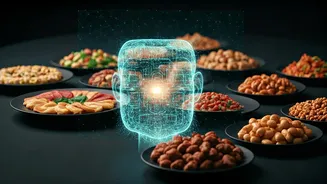
In response to this widespread buffet-related frustration, a software professional from Bengaluru named Pankaj has engineered an innovative AI tool he calls BuffetGPT. This sophisticated system is designed to analyze the entirety of a buffet spread, identifying each available dish. Following this scan, BuffetGPT generates a tailored eating plan, meticulously considering the user's physical stomach capacity. The AI's core functionality revolves around optimizing the selection and quantity of food, ensuring maximum enjoyment and minimal regret. Pankaj's motivation stemmed from his personal experiences of feeling dissatisfied after wedding feasts, regretting not being able to sample every enticing item. BuffetGPT aims to transform the buffet experience from a chaotic ordeal into a strategic, personalized culinary adventure, making the most of every available bite.
How BuffetGPT Works
BuffetGPT employs advanced computer vision technology to meticulously scan and identify every single dish available at a buffet. Once the visual data is processed, the AI then optimizes a personalized eating strategy for the user. This optimization isn't arbitrary; it's grounded in 'actual stomach volume physics,' meaning it calculates what to eat, what to skip, and in what quantities, based on realistic physical limitations. This scientific approach ensures that the generated meal plan is practical and effective. While still in its nascent stages, BuffetGPT has undergone initial testing as an alpha version at a friend's wedding, where it reportedly yielded 'decent results.' Pankaj humorously remarks that this project is precisely what his computer science degree was intended for, underscoring the practical application of his academic expertise in solving a relatable, everyday problem.
Reactions and Future Ideas
The unveiling of Pankaj's BuffetGPT has ignited significant excitement and discussion across social media platforms. Users have expressed astonishment and admiration for the ingenuity behind the tool, with many deeming it a prime example of how AI can be effectively utilized for real-world problems. One notable reaction highlighted the 'out-of-the-box' nature of this practical application. Discussions have also surfaced regarding the practical implementation of scanning, with queries about whether manual input or a drone would be necessary; Pankaj clarified that the current method involves providing the AI with photos of the buffet. Suggestions have also emerged for future integrations, such as connecting the AI to smart glasses like Ray-Ban Meta, to offer real-time guidance. While the concept is largely lauded, a minority expressed skepticism, humorously questioning the speed of AI decision-making against the swiftness of guests or the necessity of a solution for a problem they felt didn't exist.