
What is the Nordic Diet?
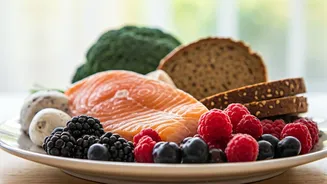
The Nordic diet is an eating plan that emphasizes whole, unprocessed foods commonly found in the Nordic region. This includes things like whole grains,
berries, root vegetables, fish, and limited amounts of meat. The diet is known for its focus on seasonal and locally sourced ingredients. A key feature is its sustainability; it promotes environmentally friendly food choices. It promotes high intake of foods rich in fiber, antioxidants and healthy fats, while avoiding heavily processed foods, refined sugars, and excessive saturated fats. The primary focus is not just on weight management but also on overall health and the prevention of chronic diseases, aligning with the principles of balanced nutrition and healthy lifestyle choices.
Key Components Examined
Several ingredients make the Nordic diet unique. Whole grains, such as rye, oats, and barley, form a dietary base, providing fiber and nutrients essential for blood sugar control and digestive health. The diet prioritizes locally sourced fruits, like berries, which are high in antioxidants. Vegetables, especially root vegetables and cruciferous varieties, are also significant. Fatty fish like salmon and herring, rich in omega-3 fatty acids, are consumed. The diet also includes lean meats in moderation, such as game or poultry, and focuses on sustainably sourced ingredients. Additionally, the diet limits added sugars, processed foods, and unhealthy fats, aligning with principles of overall health. These choices collectively contribute to the diet's potential benefits for metabolic health and disease prevention.
Diabetes and Fatty Liver
Type 2 diabetes and fatty liver disease have a significant correlation, often linked to unhealthy dietary choices and lifestyle habits. The Nordic diet's potential in addressing these conditions stems from its inherent features. The high fiber content in whole grains and vegetables contributes to stabilized blood sugar levels. Healthy fats from fish and limited saturated fats from other sources can improve insulin sensitivity. The abundance of antioxidants helps reduce inflammation, which is a major factor in both diabetes and fatty liver. Research indicates that the dietary pattern helps improve liver function, manage weight, and reduce overall risks. This makes the Nordic diet a compelling approach for those looking to manage or prevent these diseases through dietary changes.
Indian Dietary Parallels
When considering the Nordic diet for Indians, some parallels and adjustments can be made. The emphasis on whole grains aligns with traditional Indian diets, where staples like rice, wheat, and millets are consumed. The focus on vegetables is in line with the Indian culinary traditions, which include a variety of legumes and seasonal produce. The limited meat consumption is also comparable to some Indian eating habits, especially in vegetarian and certain regional cuisines. However, Indian diets may need adaptations to accommodate the inclusion of fatty fish like salmon or herring, as they are not widely available or commonly consumed. Cultural adaptations can be made by including locally available ingredients, such as different varieties of fish or incorporating spices and cooking methods appropriate for Indian tastes.
Considerations for Indians
Adapting the Nordic diet for the Indian context involves careful consideration of several factors. The focus should be on local ingredient availability, as sourcing Nordic-specific foods might be challenging or expensive. Meal planning should emphasize nutrient-rich, locally sourced options like seasonal vegetables, lentils, and regional whole grains such as jowar, bajra, or ragi. Indian cooking methods, including the use of spices and herbs, could be easily integrated, as long as it adheres to the principles of limiting unhealthy fats and added sugars. Portion sizes, particularly for grains, should be considered to balance carbohydrate intake. Consulting a nutritionist or dietitian who understands both the Nordic diet principles and Indian food cultures would be ideal. They can create a tailored plan to achieve the health benefits while aligning with local food availability and culinary preferences.
Expert Insights and Advice
Consulting with healthcare experts is essential for a smooth transition to a modified Nordic diet. Experts can tailor the diet according to individual needs, health conditions, and cultural preferences. A dietitian can create meal plans. Healthcare professionals can monitor health parameters like blood sugar levels, lipid profiles, and liver function. They can track the effectiveness of the diet. Experts also suggest gradual adjustments, integrating new foods slowly, and making sustainable changes. Combining the dietary modifications with regular exercise and stress management is key to maximizing health benefits. Periodic check-ups with healthcare professionals are also crucial to keep track of progress and modify the diet plan as needed. By incorporating professional advice, Indians can implement the Nordic diet and boost overall well-being.