





The Sodium Surge
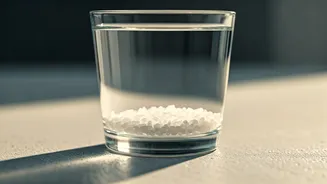
The notion that more salt equals better hydration is a misconception that needs careful examination. While sodium plays a role in bodily functions, our
regular diets typically supply sufficient amounts. Introducing extra salt into every glass of water can easily surpass recommended daily limits. This excess sodium intake is a significant concern, as it can lead to serious health issues such as elevated blood pressure, uncomfortable water retention, and potentially detrimental long-term effects on the cardiovascular system. The trend, amplified by social media 'electrolyte hacks,' often overlooks the body's inherent ability to manage sodium levels through balanced meals. Experts emphasize that supplemental salt is only beneficial in specific, acute situations rather than as a daily habit.
When Salted Water Helps
There are indeed specific circumstances where incorporating salt into water can be beneficial, primarily when the body experiences significant sodium depletion. This occurs after intense physical exertion leading to heavy sweating, during episodes of vomiting or diarrhea, or following prolonged exposure to extreme heat. In these scenarios, replacing lost electrolytes, including sodium, is crucial for rehydration. However, even in these cases, experts suggest that commercially prepared oral rehydration solutions (ORS) or medically formulated electrolyte drinks are superior choices. These products are precisely balanced to ensure safe and effective electrolyte replenishment, avoiding the guesswork and potential overconsumption associated with simply adding table salt to water.
Who Should Avoid
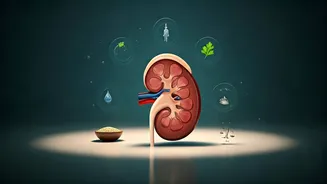
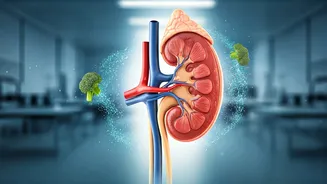
Certain individuals must strictly avoid the salted water trend due to pre-existing health conditions that make them particularly vulnerable to sodium overload. This includes anyone diagnosed with hypertension (high blood pressure), heart disease, kidney disease, or those experiencing swelling and fluid retention. Individuals with thyroid conditions should also exercise caution. For those with kidney disease, avoiding any added salt in their water is paramount unless explicitly directed by a medical professional. Their kidneys have a reduced capacity to process and excrete excess sodium, making them highly susceptible to the harmful effects of elevated sodium intake, potentially exacerbating their condition.
Smart Hydration Practices
Before considering any trend involving added salt, a thorough assessment of one's personal health status is essential. If you have concerns about blood pressure or kidney function, it is best to avoid increasing your sodium intake through added salt. It's vital to remember that hydration primarily relies on water, and excessive sodium doesn't necessarily equate to better hydration; in fact, it can often lead to increased thirst. Prioritizing natural and wholesome hydration sources is key. Opt for plain water, coconut water, buttermilk, and water-rich fruits like watermelon. Oral Rehydration Solutions (ORS) can be used when necessary for specific medical reasons. It's also crucial to be critical of social media trends, as what might seem beneficial for one person could be detrimental to another's health.