







The Silent Decline
As we navigate our thirties and beyond, our bodies undergo natural, yet often imperceptible, changes. Two significant shifts are the gradual loss of muscle
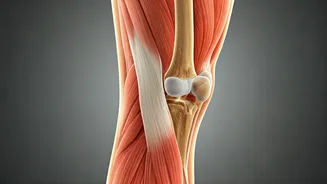
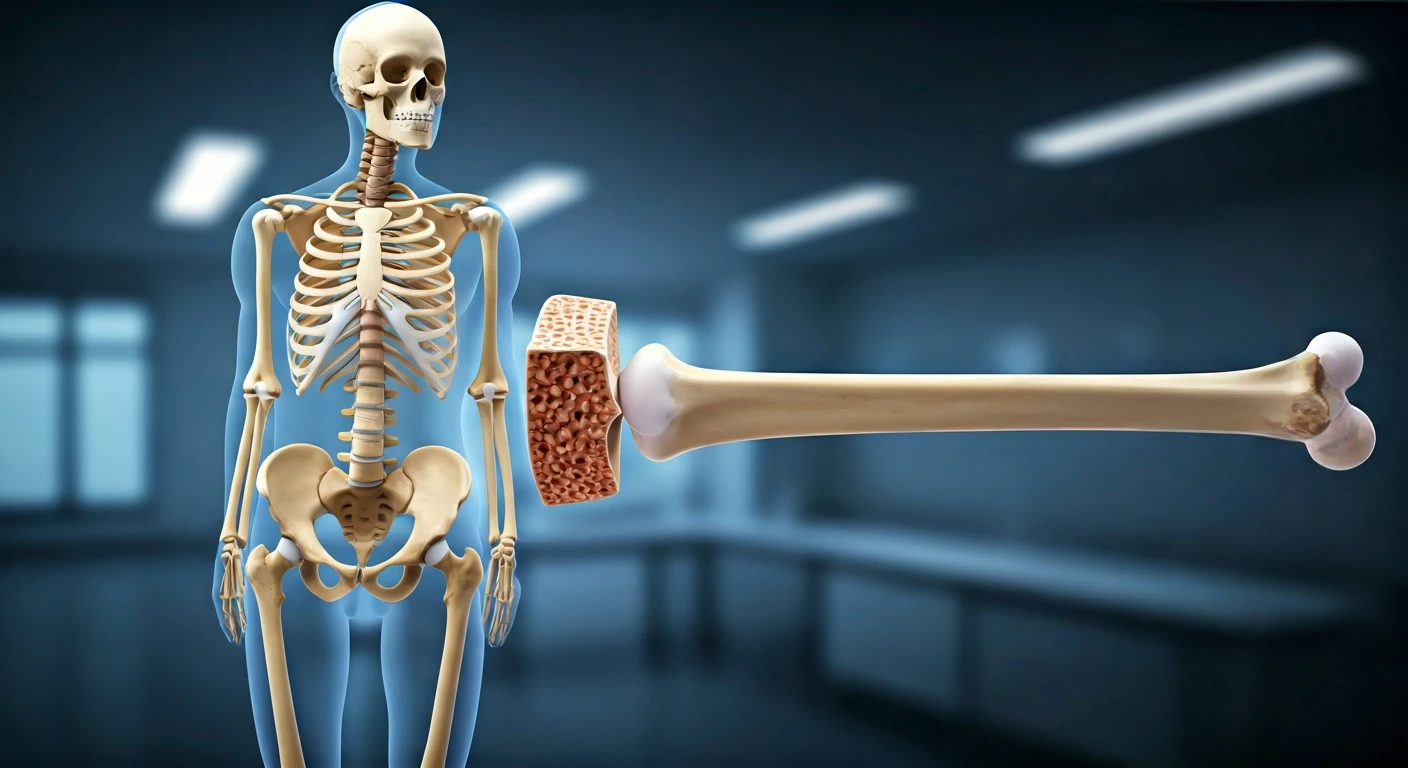
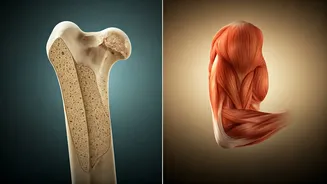
mass, medically termed sarcopenia, and a decrease in bone density, which can predispose us to osteoporosis. These conditions are frequently overlooked because their onset is insidious, lacking immediate, noticeable symptoms. Sarcopenia, the progressive weakening of skeletal muscles, diminishes both size and functionality, increasing risks of falls and fractures, and impacting overall life quality. Simultaneously, bones become more fragile, a silent process that often only reveals itself through a fracture resulting from a seemingly minor incident. These age-related changes, driven by factors like reduced muscle protein synthesis, hormonal shifts, and diminished physical activity, can significantly slow metabolism, leading to unintended weight gain and potentially contributing to metabolic disorders. Understanding these intertwined processes is the first step toward effective prevention.
Sarcopenia and Osteoporosis Explained
Sarcopenia is a condition characterized by the progressive and generalized loss of muscle mass and function, an often silent companion to aging. It's a multifactorial issue, influenced by our genetic makeup, daily habits, and the natural hormonal fluctuations that accompany time. This decline in muscle doesn't just affect strength; it can lead to a host of problems, including a heightened risk of falls, which can result in serious fractures. On the other hand, osteoporosis is a condition where bones become less dense and considerably weaker, making them highly susceptible to breaks. It’s famously known as a 'silent disease' because individuals often have no inkling of its presence until a fracture occurs, sometimes from a simple stumble. While more prevalent among women post-menopause, men are not immune to developing osteoporosis. Contributing factors range from genetics and hormonal changes to specific health conditions and lifestyle choices like insufficient nutrition or a sedentary existence.
Building Muscle and Bone
To proactively counteract the natural decline in muscle mass and bone density that typically begins after age 30, a strategic and consistent approach is essential. Strength training, also known as resistance training, stands out as a cornerstone in this effort. Engaging in regular sessions that challenge your muscles not only helps build and maintain lean muscle mass but also crucially stimulates bone formation, thereby enhancing bone density. Experts recommend incorporating at least two to three strength training workouts per week, ensuring that all major muscle groups are targeted. This can involve lifting weights, utilizing resistance bands, or performing bodyweight exercises. Complementing strength training, an adequate intake of protein is vital for muscle repair and growth, with lean meats, fish, eggs, and plant-based sources like legumes and tofu being excellent choices. Essential nutrients like calcium and vitamin D are paramount for bone health; calcium forms the structural basis of bones, while vitamin D aids its absorption. Leafy greens, dairy, and fortified foods are good sources of calcium, and while sunlight provides vitamin D, supplementation may be necessary for some.
Lifestyle for Longevity
Beyond specific exercises and nutrients, a holistic approach to lifestyle significantly impacts muscle and bone health as we age. Regular aerobic exercise, such as brisk walking, running, or swimming, complements strength training by improving cardiovascular health and aiding in weight management, which is indirectly beneficial for bone density. A balanced diet, rich in fruits, vegetables, whole grains, and healthy fats, provides the essential vitamins and minerals required for optimal bodily function, including muscle and bone maintenance. It’s equally important to limit the intake of processed foods, excessive sugars, and unhealthy fats, which can detract from overall health. Furthermore, avoiding smoking and moderating alcohol consumption are critical, as both habits can detrimentally affect bone density and muscle vitality. Maintaining proper hydration is also key for all bodily systems, including musculoskeletal health. Finally, regular medical check-ups are advisable, particularly for those with a family history of sarcopenia or osteoporosis, allowing for timely risk assessment and personalized interventions.