





Auspicious Day Unveiled
The year 2026 marks the observance of Chaitra Navratri, a significant Hindu festival, commencing on Thursday, March 19th. This nine-day celebration reveres
the nine manifestations of Goddess Durga. The final day, March 27th, 2026, also commemorates the birth of Lord Rama, leading to this period being known as Ram Navratri. Specifically, Friday, March 20th, 2026, is dedicated to the second day of this sacred festival. The color associated with this particular day is green, symbolizing nature, renewal, and a sense of tranquility, promoting new beginnings and fostering feelings of fertility and peace in the lives of devotees.
Maa Brahmacharini's Legend
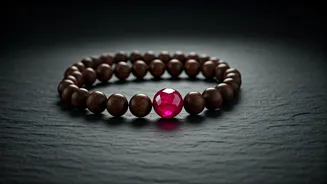
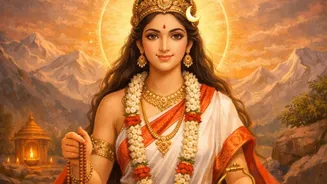
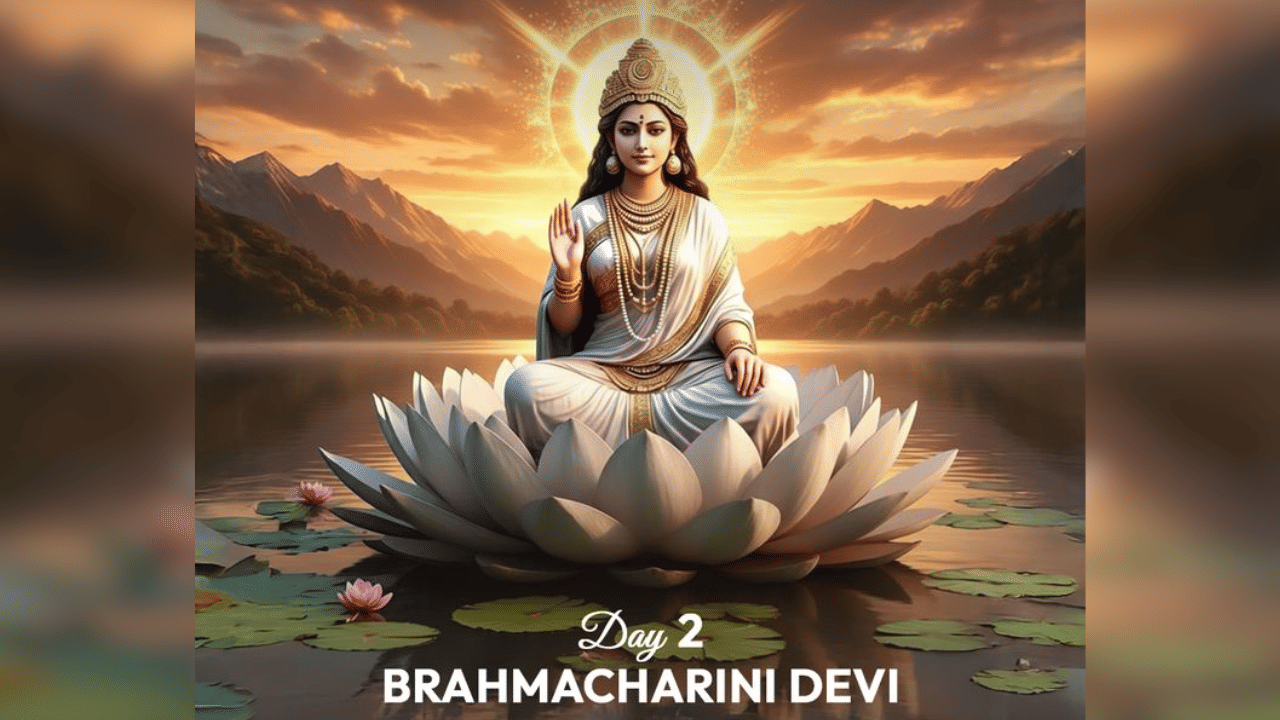
The second day of Chaitra Navratri is devoted to Goddess Brahmacharini, an embodiment of Goddess Parvati in her ascetic and unmarried state. Her narrative is deeply rooted in her intense spiritual journey. In a previous life, as Sati, she chose Lord Shiva as her divine consort. Later, reborn as Parvati, daughter of the mighty Himalaya, she undertook rigorous penance for thousands of years, enduring extreme austerities without sustenance, all to win Lord Shiva's affection and prove her devotion. The name 'Brahmacharini' itself is derived from Sanskrit terms signifying 'supreme consciousness' and 'self-discipline,' aptly reflecting her relentless pursuit of spiritual goals. She is revered for her unwavering dedication, profound peace, and remarkable perseverance, inspiring those who seek spiritual enlightenment and steadfastness in their life's path.
Rituals and Devotion
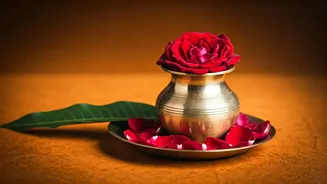
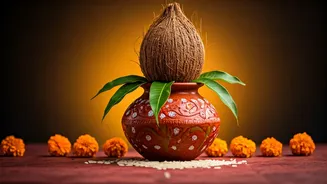
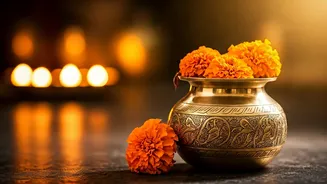
Worshipping Goddess Brahmacharini on this second day is believed to imbue devotees with strength, wisdom, and inner peace, equipping them to confront life's challenges with resolute determination. The puja typically begins with adherents rising early and purifying themselves through a ritualistic bath. Following this, Gangajal, or holy Ganges water, is sprinkled throughout the worship area, signifying purification. The family then collectively prays to Maa Durga. For Maa Brahmacharini specifically, jasmine flowers, rice, and sandalwood are placed in a metal vessel. After the idol is washed and adorned, offerings of jasmine flowers, roli (red powder used in Hindu rituals), and kumkum (vermilion powder) are made. An abhishek, a ritualistic bathing, is performed using milk, curd, and honey, followed by a special offering of a sugar bag. Devotees also chant sacred mantras, such as 'Om Devi Brahmacharinyai Namah ॥' or the more elaborate 'Dadhana Kara Padmabhyam Akshamala Kamandalu, Devi Prasidatu Mayi Brahmacharinyanuttama,' seeking her blessings.
Wishes for Connection
On this auspicious second day of Chaitra Navratri, heartfelt wishes are shared to convey blessings and positive affirmations to loved ones. These messages often emphasize the qualities embodied by Maa Brahmacharini. For instance, one might wish for 'unwavering determination' and guidance towards achieving goals with 'strength and clarity.' Another sentiment focuses on filling lives with 'peace, discipline, and the power to overcome every challenge.' Wishes also express the hope for 'spiritual growth and inner calm' as Maa Brahmacharini aids in removing life's obstacles. Many messages pray for hearts to be filled with 'positivity' and minds with 'wisdom.' The overarching theme is the empowerment that comes from Maa Brahmacharini's blessings, fostering 'resilience, self-control, and success in all endeavors,' ensuring a spiritually enriched and fulfilling observance of the festival.