








Spicy Arrivals: Chilli Pepper
It's hard to imagine Indian cooking without the vibrant heat of chillies, yet this staple ingredient isn't native to the subcontinent. Chillies embarked
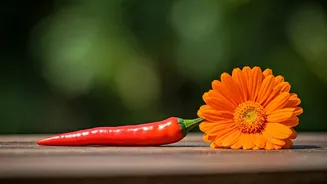
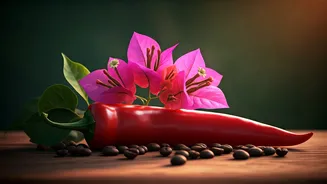
on their journey to India with Portuguese traders during the 15th and 16th centuries, originating from the Americas. Before their arrival, Indian kitchens relied on black pepper and long pepper for their spice. Fortunately, chillies adapted remarkably well to India's diverse climates, quickly becoming a foundational element in regional culinary traditions across the nation and adding a unique fiery dimension to countless dishes.
Vibrant Climbers: Bougainvillea
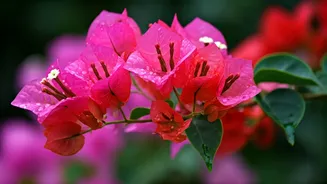
The explosion of colour from bougainvillea, adorning walls and streets with its vivid pink, purple, orange, and white blossoms, is a quintessential sight in India. However, this visually stunning plant actually hails from South America, with origins tracing back to countries like Brazil, Peru, and Argentina. Its popularity in India and other tropical regions is due to its resilience and ability to thrive in dry conditions, combined with its breathtaking floral displays. Varieties like B. peruviana and the hybrid B. × buttiana showcase a spectrum of dazzling bract colours, making them beloved ornamental additions.
Australian Giants: Eucalyptus
Eucalyptus trees stand tall across India, valued for their rapid growth and utility in timber and paper production, providing essential greenery. Yet, these widespread trees are not indigenous to India but originated from Australia. Introduced during the colonial era, their fast-growing nature made them an attractive option for afforestation and industrial purposes. Despite their benefits, some environmental concerns have been raised regarding certain eucalyptus species, particularly their significant water consumption and potential impact on local ecosystems and biodiversity.
Madagascar's Flame: Gulmohar
The sight of a gulmohar tree ablaze with fiery orange-red flowers during the summer months is a spectacle many associate with India. However, this magnificent tree's true home is Madagascar. Its striking canopy and ornamental beauty led to its widespread planting as an avenue tree in Indian cities and on educational campuses. Today, it flourishes in many subtropical and tropical areas worldwide, but its dramatic summer blooms remain a cherished feature of the Indian landscape, often mistaken for a native species due to its pervasive presence.
Tropical Bounty: Papaya
Papaya, a fruit now commonly cultivated and enjoyed throughout India, traces its origins to Central America and southern Mexico. Introduced centuries ago via maritime trade routes, the papaya plant found a welcoming tropical environment in India and rapidly gained favour. It is celebrated not only for its sweet, nutritious flesh but also for its digestive properties. India now leads global papaya production, contributing significantly to the world's annual output of this versatile and wholesome fruit, a testament to its successful adaptation and widespread cultivation.