






Crafting the Dough
The foundation of these delightful bites lies in a simple yet effective grain-free cookie dough. The process begins by combining key ingredients in a mixing
bowl. Essential components include almond butter, which provides a creamy texture and a nutty undertone, acting as a binder. Sweetness is introduced through honey, offering a natural alternative to refined sugars. Unsweetened shredded coconut is incorporated to lend a subtle texture and flavor, while a pinch of salt balances the sweetness. Vanilla extract can be added for an extra layer of aroma and taste. Finally, a portion of dark chocolate chips is mixed in, promising little bursts of chocolate within the dough. The mixture is thoroughly combined until all elements are evenly distributed. To make it easier to shape, the bowl is then placed in the refrigerator. The chilling time is variable, dependent on the consistency of the almond butter; if the dough remains too sticky after an hour or two, a small additional amount of shredded coconut can be added to achieve the desired firmness for rolling.
Shaping and Freezing
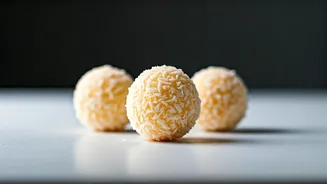
Once the dough has reached a workable consistency after its chilling period, the next step involves shaping it into bite-sized portions. Using your hands, roll the dough into uniform balls, aiming for a size between one and one-and-a-half inches in diameter. These formed balls should then be carefully placed onto a plate lined with wax paper. This prevents sticking and makes them easy to handle later. After all the dough has been rolled into individual balls, the entire plate is transferred to the freezer. This critical freezing step ensures the dough balls are firm enough to withstand the chocolate coating process without losing their shape or becoming overly messy, setting them up perfectly for the next stage of preparation.
Chocolate Coating Technique
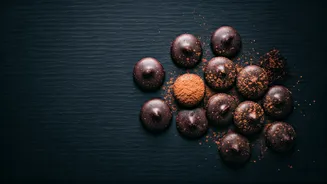
The luxurious chocolate coating is achieved by melting dark chocolate chips, typically about one cup. For a smoother, glossier finish that helps the chocolate set, a teaspoon of coconut oil is often added to the melting chocolate. The melting process is best done using a double-boiler over low heat. This gentle method prevents the chocolate from scorching or burning, ensuring a smooth, luscious texture. Once the chocolate is fully melted and smooth, it's time to coat the frozen cookie dough balls. Each frozen ball is dipped into the melted chocolate, ensuring it is completely enrobed. The chocolate-covered bites are then carefully placed back onto the wax paper-lined plate. After coating all the balls, the plate is returned to either the refrigerator or the freezer to allow the chocolate to harden completely, transforming the simple dough balls into irresistible chocolate-covered treats.
Storage and Enjoyment
These delightful grain-free cookie dough bites are best enjoyed when stored properly, as the chocolate coating can become quite soft at room temperature. Keeping them in the refrigerator is generally recommended, as this maintains a pleasant texture and prevents the chocolate from melting off your fingers too quickly. However, some individuals may prefer the firmer, frozen state for an even more intense cold treat. Whichever method you choose, these bites are incredibly versatile. They make a fantastic addition to holiday dessert platters, a satisfying after-school snack for children, or simply a personal indulgence when a sweet craving strikes. Their ease of preparation and adaptable nature make them a go-to recipe for anyone seeking a healthier, yet delicious, dessert option.