






Invisible Drones Emerge
In a significant stride for drone defense technology, a Turkish researcher has pioneered Kürşat 3.0, a novel radar absorbent material (RAM) designed to
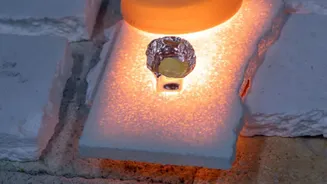
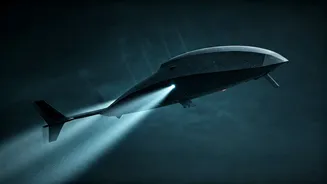
be applied as a spray. This advanced coating is specifically engineered for unmanned aerial vehicles (UAVs), including drones, aiming to render them substantially harder to detect by radar systems. The culmination of over seven years of dedicated research and development, this material boasts an impressive 43dB signal attenuation. This figure represents a remarkable reduction in radar reflectivity, far surpassing the capabilities of many existing broadband coatings. While preliminary test footage has been shared, independent verification is crucial to fully ascertain its real-world efficacy in camouflaging UAVs from radar detection. The increasing prevalence of drone warfare, notably highlighted in recent conflicts, has intensified the race for both advanced drone capabilities and effective countermeasures.
How Stealth Works
Traditional stealth technologies fundamentally operate on two principles: deflecting radar signals away from the source or absorbing them to prevent reflection. The innovative Kürşat 3.0 RAM, reportedly incorporating natural materials like volcanic basalt and pumice, leverages a unique microscopic porosity to achieve its radar-defeating properties. This internal structure is designed to trap electromagnetic signals, effectively preventing them from bouncing back to a radar receiver. The key advantage of this spray-on application is its adaptability to small, cost-effective drones and UAVs. These smaller craft, often difficult to track due to their modest size, can now potentially benefit from a significant stealth enhancement. However, it's important to acknowledge that the inherent design of many drones, particularly quadcopters with exposed rotors, can still present radar signatures even with such coatings applied. Nevertheless, Kürşat 3.0 holds the potential to substantially improve the survivability of these drones, making them far more challenging targets for enemy radar.