





Digestive Disruption
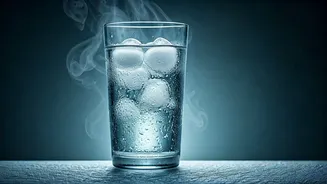
Reaching for that chilled glass on a sweltering day might feel fantastic, but gulping down very cold water when your body is overheated can actually hinder
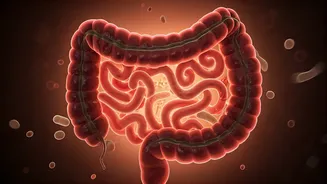
your digestive processes. Experts suggest that a sudden influx of cold liquid can cause your digestive system to work harder to break down food. This can lead to discomfort such as bloating and the unpleasant sensation of gas. Instead of aiding the natural rhythm of digestion, the shock of extreme cold can temporarily slow down the enzymes responsible for processing nutrients. Therefore, while it quenches thirst, the internal consequences on your stomach and intestines might not be as refreshing as you'd think, making it a less than ideal habit for optimal gut health during the summer months. Consider opting for cooler, but not icy, temperatures to support your body's natural functions.
Throat and Body Balance
The immediate sensation of cold water can be soothing, especially when you're feeling the burn of the sun. However, this rapid temperature shift can sometimes irritate your throat, leading to a scratchy feeling or discomfort. More broadly, introducing a significant cold stimulus to a heated body can throw off your internal temperature regulation. This imbalance might manifest as mild headaches or a general feeling of unease. In some instances, the sudden constriction of blood vessels due to the cold can also momentarily affect blood circulation and, for sensitive individuals, even influence heart rhythm. It's a reminder that our bodies thrive on equilibrium, and abrupt changes, even from something as simple as a drink, can have ripple effects throughout your system.
Who Should Be Cautious
While many can tolerate occasional cold drinks, certain individuals need to be more mindful. Those with pre-existing digestive sensitivities or a history of throat issues might find that cold water exacerbates their symptoms, potentially increasing susceptibility to infections. Children and the elderly often have more delicate systems, making them more vulnerable to sudden temperature fluctuations. Similarly, people managing conditions like high blood pressure are advised to be cautious, as the physiological responses to very cold water might not be beneficial. It’s always prudent to listen to your body and consult with a healthcare professional if you have concerns about how cold beverages might interact with your health.
Hydration Alternatives
Instead of immediately quenching your thirst with ice-cold water after intense heat exposure, it's wiser to allow your body to cool down gradually. Rest for a bit and let your internal temperature normalize before taking a sip. Staying hydrated throughout the day with regular, smaller amounts of water is more effective than gulping large quantities at once. For a refreshing experience that's kinder to your system, consider alternatives like room-temperature water, cooling beverages such as buttermilk or lemon water, or simply water that's not excessively chilled. If you're feeling unwell or have a sore throat, avoiding cold water altogether is a sensible precaution to prevent further irritation or discomfort.