




Planning Your Garden
Embarking on the journey of home gardening begins with meticulous planning. The first crucial step involves assessing your available space and understanding
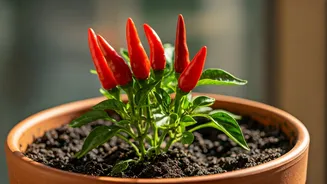
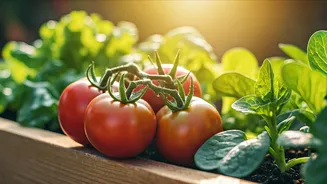
its light conditions. Most edible plants, from leafy greens to fruiting vegetables, require at least six to eight hours of direct sunlight daily. Therefore, identifying the sunniest spots in your yard or on your balcony is paramount. Consider the types of plants you wish to grow, keeping in mind your climate and personal preferences. A well-thought-out plan will also include considerations for water access and drainage. Adequate watering is essential for plant survival, so proximity to a water source is beneficial. Good drainage prevents waterlogging, which can lead to root rot, a common issue for many plants. Beginners might opt for easier-to-grow vegetables like tomatoes, peppers, or herbs, which offer a rewarding experience and a good introduction to gardening principles. As you gain confidence, you can expand your plant selection to more challenging varieties. Don't forget to consider companion planting, where certain plants can benefit others by deterring pests or improving soil quality.
Soil Preparation & Planting
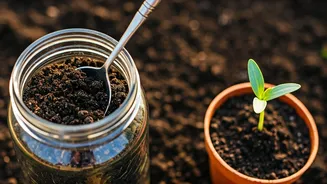
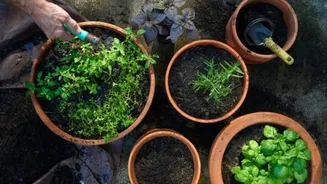
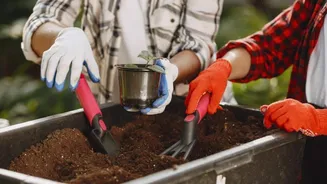
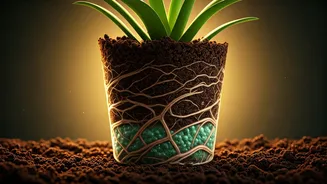
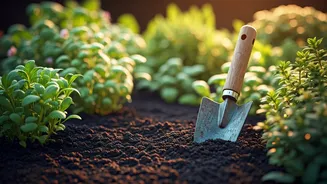
The foundation of a successful garden lies in its soil. Before planting, it's essential to prepare the soil to provide the nutrients and structure plants need to flourish. If you're planting directly in the ground, loosen the soil to a depth of at least 8-10 inches, removing any rocks or debris. Incorporating organic matter, such as compost or well-rotted manure, is highly recommended. This enriches the soil, improves its texture, and enhances water retention. For container gardening, choose a high-quality potting mix specifically designed for vegetables and herbs. When it comes to planting, whether from seeds or seedlings, follow the specific instructions for each plant. Seed packets usually provide guidance on planting depth and spacing, which is critical for optimal growth and air circulation. Seedlings should be handled with care, and their root balls gently loosened before being placed in their new homes. Ensure newly planted items are watered thoroughly to help settle the soil and reduce transplant shock. Proper spacing is vital not only for root development but also to prevent the spread of diseases among plants.
Nurturing Your Plants
Once your garden is planted, the ongoing task is to nurture your plants to ensure they thrive. Consistent watering is key, though the frequency and amount will vary depending on the plant type, weather conditions, and soil moisture. A good rule of thumb is to water deeply when the top inch of soil feels dry, rather than frequent shallow watering. Mulching around your plants can help retain soil moisture, suppress weeds, and regulate soil temperature. Employing a layer of organic mulch like straw, wood chips, or shredded leaves is beneficial. Weeding is another crucial aspect; regular removal of unwanted plants prevents them from competing with your vegetables for resources like water, nutrients, and sunlight. Observe your plants for any signs of pests or diseases. Early detection and intervention are more effective than dealing with an infestation. Natural pest control methods, such as introducing beneficial insects or using organic sprays, are preferable. Providing adequate support for climbing plants, like tomatoes or beans, using stakes, cages, or trellises, will help them grow upwards and improve air circulation.
Harvesting Your Bounty
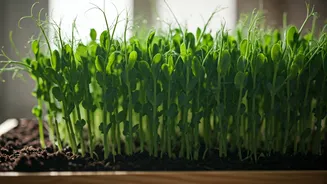
The culmination of your gardening efforts is the harvest, the rewarding time when you reap the fruits (and vegetables!) of your labor. Understanding when to harvest each type of produce is essential for the best flavor and quality. For leafy greens, you can often start harvesting outer leaves once they are mature enough, allowing the plant to continue producing. Fruiting vegetables like tomatoes and peppers should be picked when they reach their optimal size and color, indicating ripeness. Harvesting regularly can also encourage plants to produce more. For example, picking beans as soon as they are ready prompts the plant to flower and set more pods. Root vegetables, such as carrots and radishes, are typically harvested when their roots have reached a usable size, which can be checked by gently brushing away soil at the base. Ensure you harvest at the right time of day; some vegetables are best picked in the morning after the dew has dried, while others might tolerate afternoon harvesting. Proper harvesting techniques minimize damage to both the produce and the plant, ensuring a continued yield and a successful gardening season.