




Mastering Window Strategy
Your windows are crucial gateways for heat. During the sun's peak hours, typically from late morning through the evening, it's vital to keep them shut
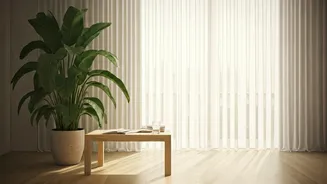
along with blinds and curtains. This prevents the ingress of scorching outdoor air and blocks direct solar radiation from heating up your interiors. Think of it as creating a protective shield against the sun's intensity. As dusk settles and temperatures outside begin to drop, strategically opening windows on opposite sides of your home becomes your secret weapon. This action facilitates cross-ventilation, effectively flushing out the warm, stagnant air that has accumulated inside and drawing in the welcome, cooler night air. This simple yet powerful technique helps reset your home's internal temperature, making it more comfortable for the night ahead.
Fan Power Boost
Fans, while not altering the air's temperature, significantly enhance your comfort by creating a perceived cooling effect through increased air movement. You can amplify their effectiveness with a few clever tricks. Placing a bowl filled with ice or a frozen water bottle in front of a running fan will generate a cool mist as the air passes over it, mimicking a gentle air cooler. Ensure your ceiling fans are set to rotate counter-clockwise during summer; this direction pushes air downwards, creating a refreshing breeze. In the evenings, positioning a fan near a window to blow air outwards can actively expel hot indoor air, simultaneously drawing in cooler external air, further aiding the cooling process and making your living space more pleasant.
Reducing Internal Heat
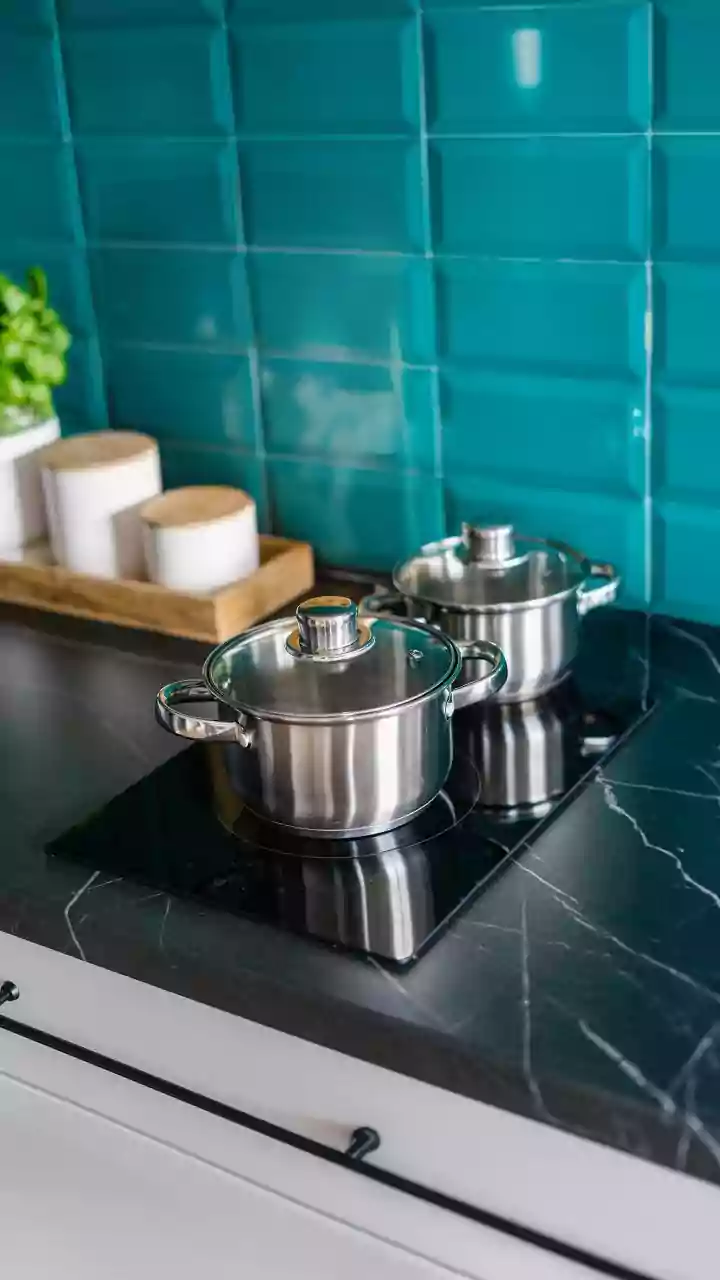
Everyday activities within your home can contribute substantially to rising temperatures, especially in smaller dwellings. High-heat activities like using the oven or stovetop can dramatically increase indoor warmth. Consider opting for lighter meals, utilizing your microwave, or scheduling your cooking for the cooler parts of the day to mitigate this. Even your lighting choices matter; traditional incandescent bulbs generate considerable heat, whereas LED lights remain cooler and consume less energy, offering a dual benefit. Furthermore, be mindful of heat emitted by electronics and chargers. Unplugging devices and appliances when they are not in use helps prevent them from becoming mini heat sources, contributing to a more comfortable indoor climate.
Body Cooling Techniques
Sometimes, the most immediate relief from the heat comes from cooling your own body rather than the entire room. Simple methods can offer instant comfort. Applying a damp cloth or a wet sheet to your skin allows for cooling through evaporation, a natural process that lowers your body temperature. Focusing on pulse points like your neck, wrists, or the backs of your knees with a cold compress can help cool the blood flowing through these areas, thereby reducing your overall body heat. Additionally, choosing clothing and bedding made from breathable fabrics such as cotton promotes better air circulation against your skin, preventing heat from becoming trapped and making you feel more comfortable.
Smart Home Design
The fundamental construction and sealing of your home play a significant role in how well it resists heat. Older or poorly maintained windows are notorious for allowing heat to penetrate easily, leading to warmer rooms and increased reliance on air conditioning. Investing in modern window systems that offer superior sealing and insulation can drastically reduce heat transfer from the outside. Thoughtfully designed homes incorporate features that allow for controlled ventilation while simultaneously blocking direct solar heat, enhancing comfort without an increased energy expenditure. Even minor structural considerations, like overhangs or awnings, can provide critical shade and reduce the solar load on your home.
Simple Impactful Additions
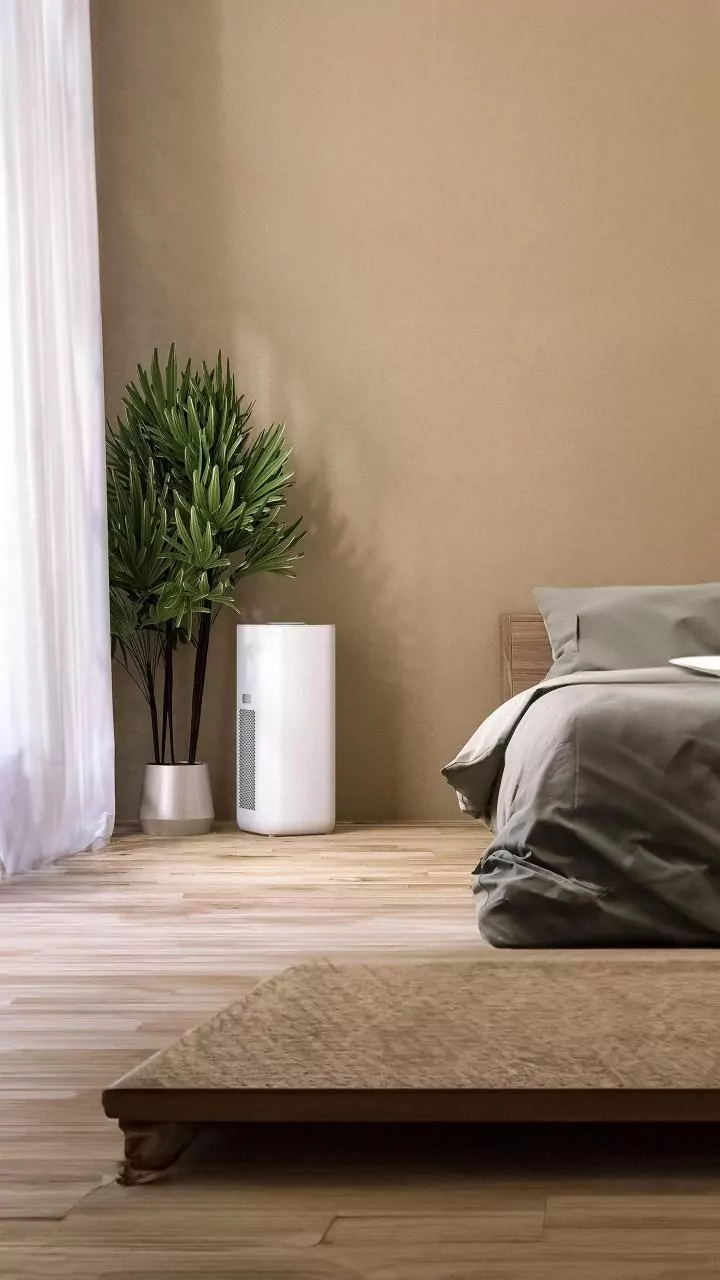
Beyond structural changes, small, thoughtful additions can make a substantial difference in keeping your home cool. Opting for light-colored or reflective curtains and blinds is more effective than darker ones, as they deflect sunlight away from your windows rather than absorbing it. Keeping your living spaces uncluttered also aids in air circulation, preventing the formation of heat pockets. While their cooling capacity is limited compared to architectural solutions, incorporating indoor plants can contribute to better air quality and create a more serene atmosphere, which can indirectly enhance your perception of comfort during hot weather.