
Baking Soda and Lemon
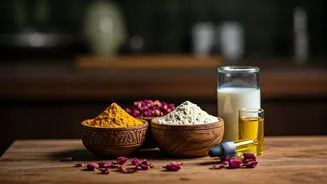
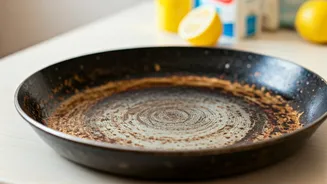
One of the most straightforward and readily available methods involves baking soda and lemon. Begin by gently warming the pan on the stovetop, but remember
to switch off the heat before proceeding. Next, sprinkle one or two teaspoons of baking soda evenly across the blackened surface. Take half a lemon and begin scrubbing the affected areas. The natural acidity of the lemon, combined with the mild abrasive action of the baking soda, will work together to loosen and lift the stubborn black layer, making it easy to wipe away the grime and restore the pan's original cleanliness. This process harnesses the power of these common kitchen ingredients to effectively clean your dosa pan.
Vinegar's Cleaning Power
For particularly tough stains, white vinegar proves to be a powerful cleaning agent. Pour a modest amount of vinegar onto the pan's surface, ensuring it covers the affected areas. Following this, sprinkle a teaspoon of salt over the vinegar. Allow this mixture to sit for a few minutes, allowing the vinegar to penetrate and soften the stubborn residue. Once enough time has passed, take a soft scrubbing pad or cloth and gently scrub the pan. The vinegar's acidity and the salt's abrasive quality work together to lift the black stains, revealing a cleaner surface without the need for harsh chemicals or extensive scrubbing. This method ensures that the pan is restored to its original condition efficiently.
Ash as a Cleaner
Historically, ash has been a trusted method for cleaning utensils, including dosa pans. If you have access to wood ash or cow dung ash, the process is simple and effective. Mix the ash with a little water to form a paste, ensuring the consistency is right for application. Apply this paste evenly across the stained areas of the pan and allow it to sit for a brief period. Following this, take a soft cloth and gently scrub the pan's surface. Ash is a natural cleaner that is effective at removing stains without causing any damage to the pan's surface. This technique provides a traditional, eco-friendly approach to cleaning your dosa pan.
Preventing Future Buildup
Preventing black layers from reforming on your dosa pan involves several simple practices. First, avoid washing the pan immediately after cooking; allow it to cool down completely before cleaning. Refraining from cooking on an excessively overheated pan is also crucial, as high heat contributes to the formation of stains. Regular cleaning, once a week, should be sufficient to maintain the pan's cleanliness. To protect iron pans from rust, consider applying a thin layer of oil after cleaning. This final step adds a protective layer, further ensuring that your pan remains in optimal condition, ready for the next delicious dosa, and extends the life of your cookware.
Post-Cleaning Care
After successfully cleaning your dosa pan, proper care ensures it remains in excellent condition. Always thoroughly wash the pan to remove any cleaning agents or residue. It’s crucial to dry the pan completely to prevent rust or water spots. If weather permits, drying the pan in mild sunlight can help eliminate any remaining moisture. For iron pans in particular, applying a light coat of oil after drying will prevent rust and keep the surface conditioned. This careful post-cleaning routine is essential to maintain the cleanliness and longevity of your dosa pan, allowing you to enjoy making perfect dosas for a long time.